
Get a Quote
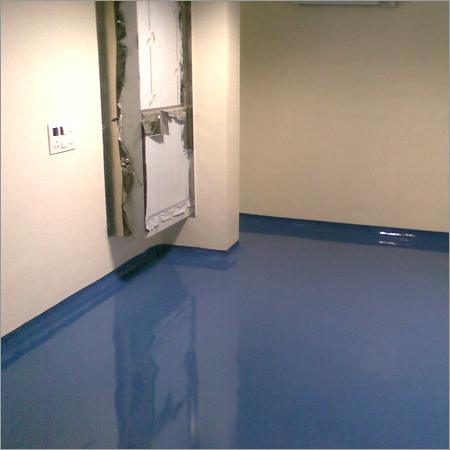
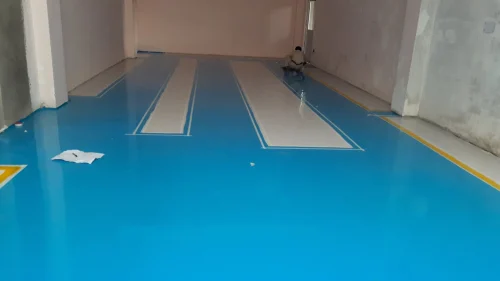
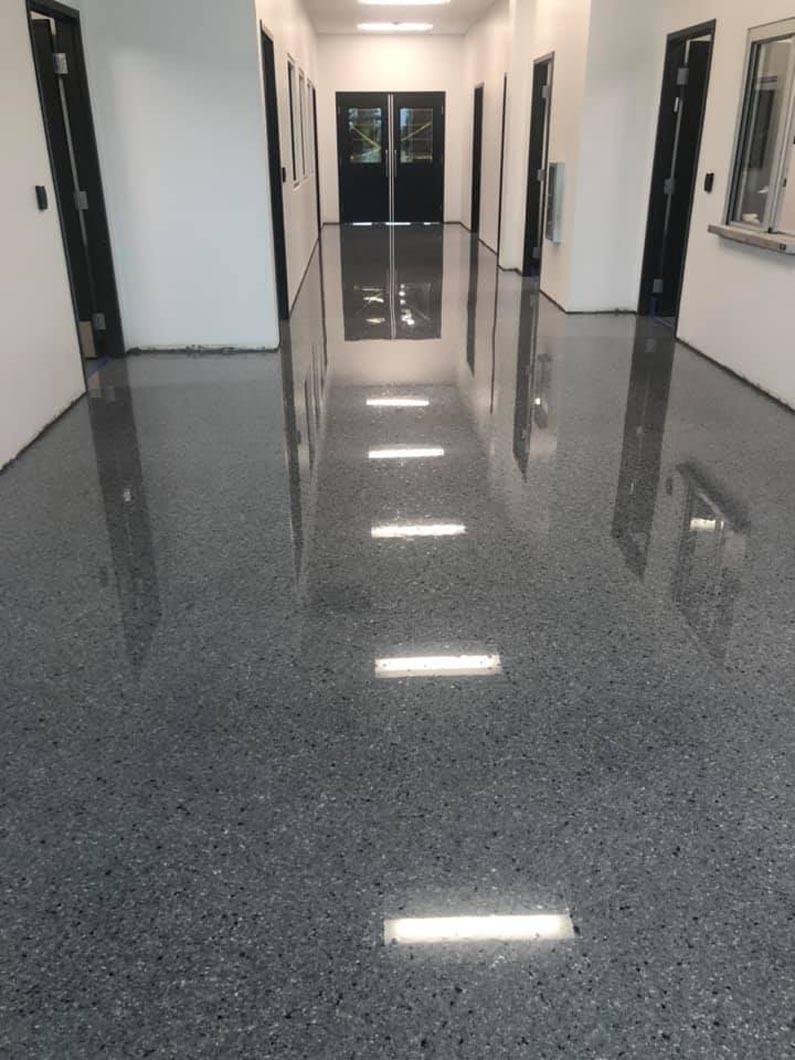
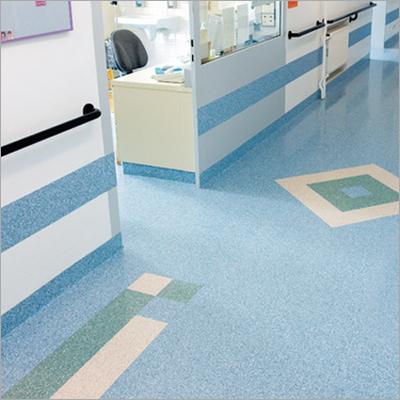
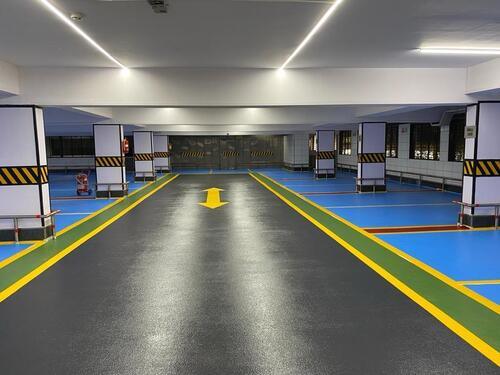

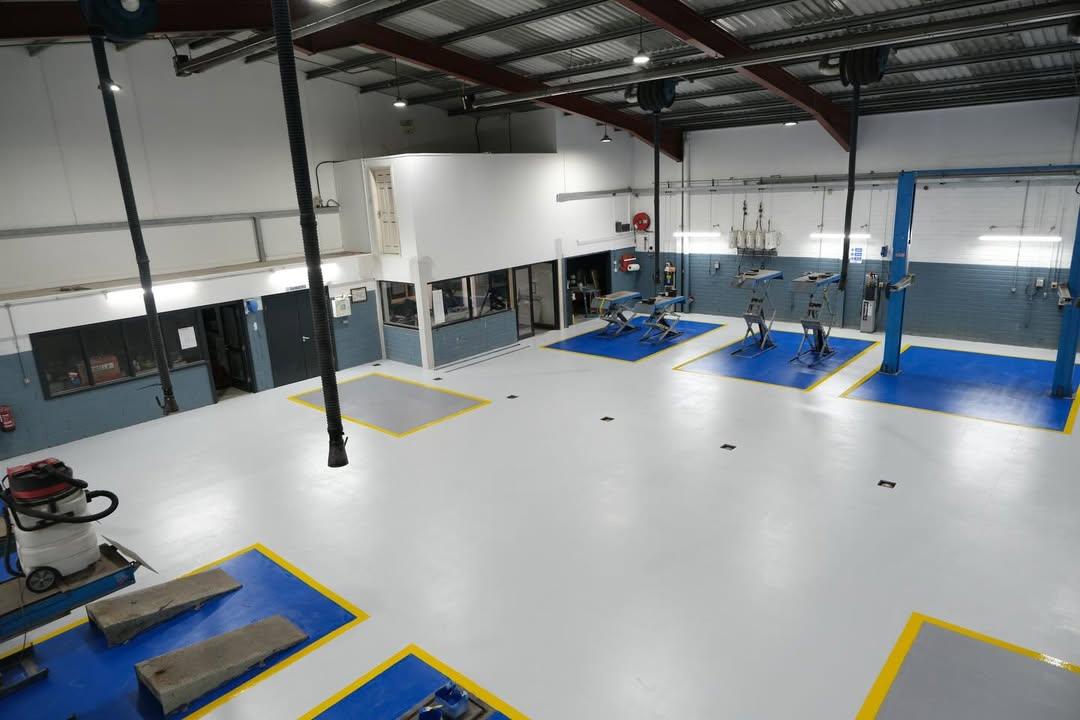
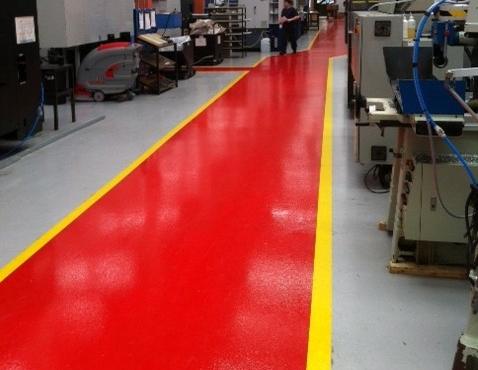


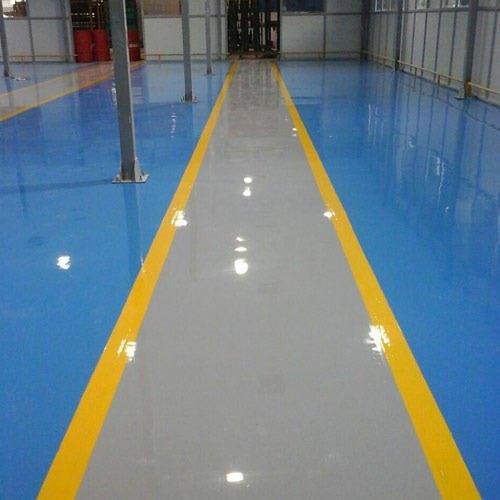
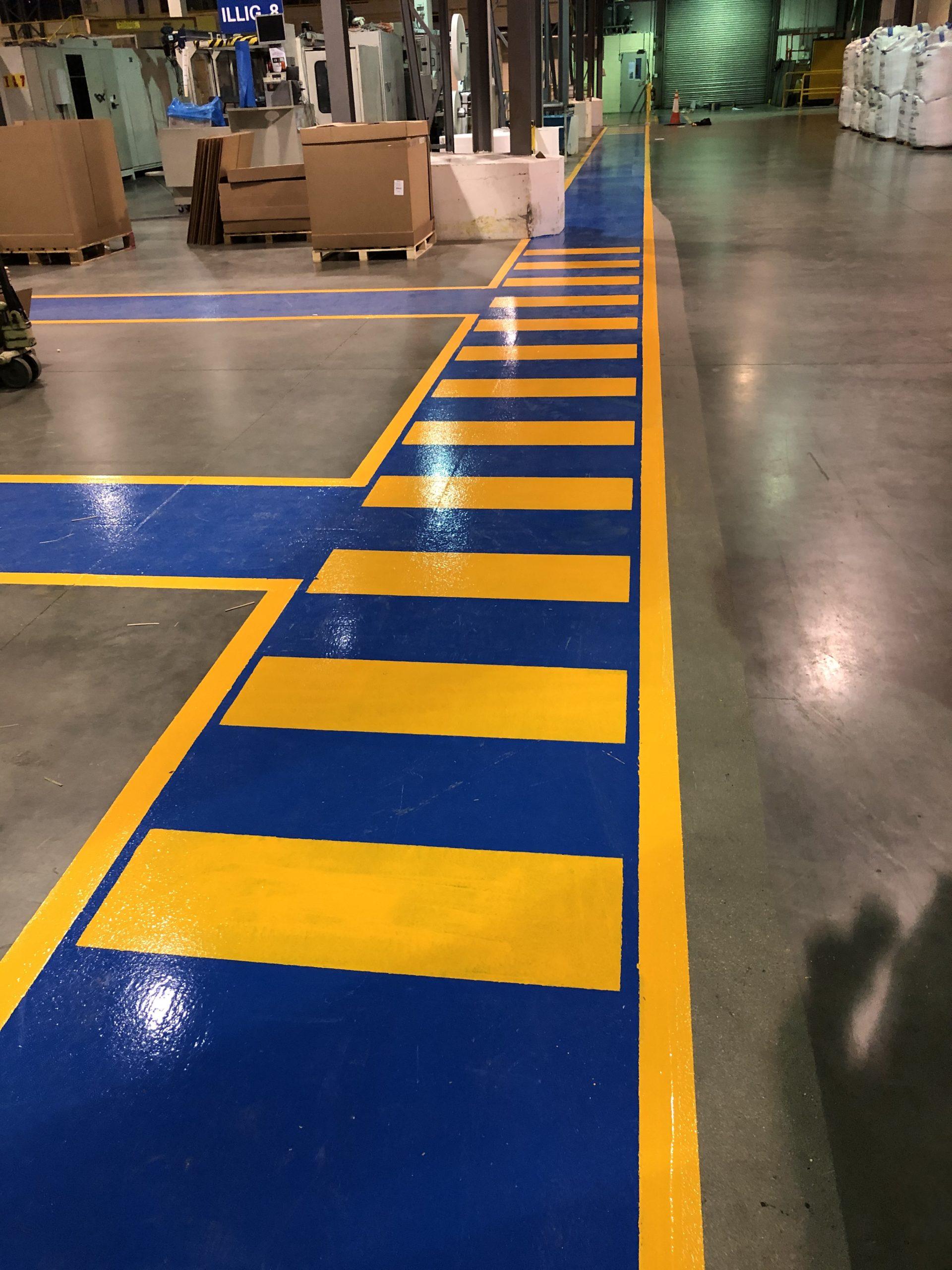
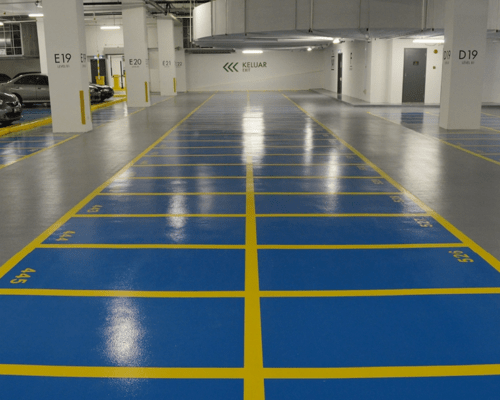
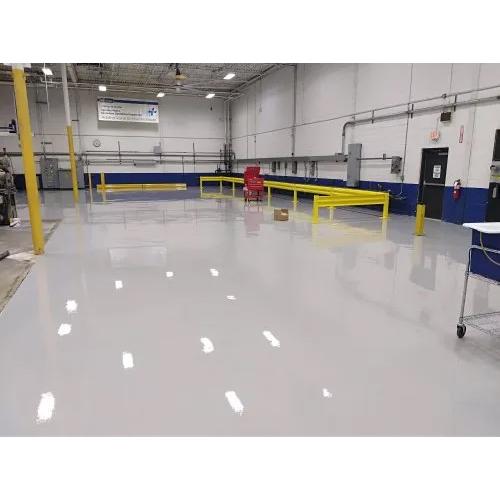
Chemical resistant flooring in the Midlands fails for a reason that has nothing to do with quality. It fails because somebody specified a system against the wrong chemical. Standard epoxy shrugs off sulphuric acid at 20% and softens badly in lactic acid at 5%. It handles diesel comfortably and swells in acetone within hours. Concentration, temperature and dwell time change the answer completely, so “chemical resistant” as a phrase on a datasheet means almost nothing on its own. A dairy that specified a general-purpose epoxy because it resists “acids” will be relaying that floor inside eighteen months, and the product will have performed exactly as designed.
So we start with your list, not our catalogue. Ron asks what you handle, at what concentration, at what temperature and for how long it sits on the floor before anyone cleans it up. Then he checks that list against resistance data and specifies a system that will genuinely survive it. Sometimes that’s a standard epoxy and the job costs less than you expected. Sometimes it’s vinyl ester and it costs more, and we explain precisely why. Plant rooms, labs and production sites across Westmeath, Offaly and Dublin have gone through that conversation with us, and several have come back repeatedly — as our customer testimonials show.
Have a chemical list and a floor that’s struggling? Call Ron on 086 2631652 for a free assessment.
Four variables decide whether a floor survives, and getting any one wrong undoes the others.
Because of all that, we won’t quote from a generic brief. We need the specifics, and it’s worth compiling them before any contractor prices the work.
Each step up the ladder buys you resistance to a wider or more aggressive range.
Colour has a practical function here too. Light finishes make leaks visible early, which matters enormously in containment areas.
The detailing matters more than the flat area, because chemicals find the weak point every time.
Ron visits, walks the process with you and builds a proper schedule of what hits the floor. He checks slab condition, existing damage, drainage falls and containment requirements at the same time.
You then get a written, itemised quote. Preparation, repairs, primer, body coats, topcoat, coving and drainage detailing all appear as separate lines.
Chemical systems are only as good as their bond, so preparation is non-negotiable.
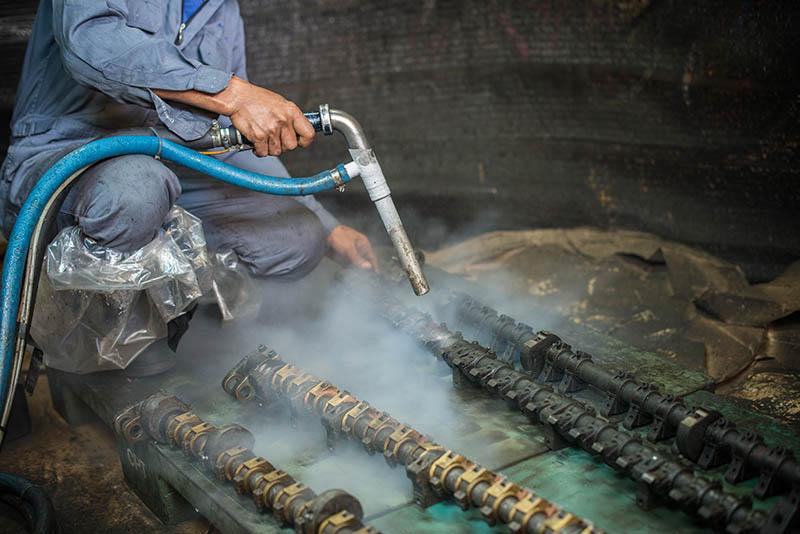
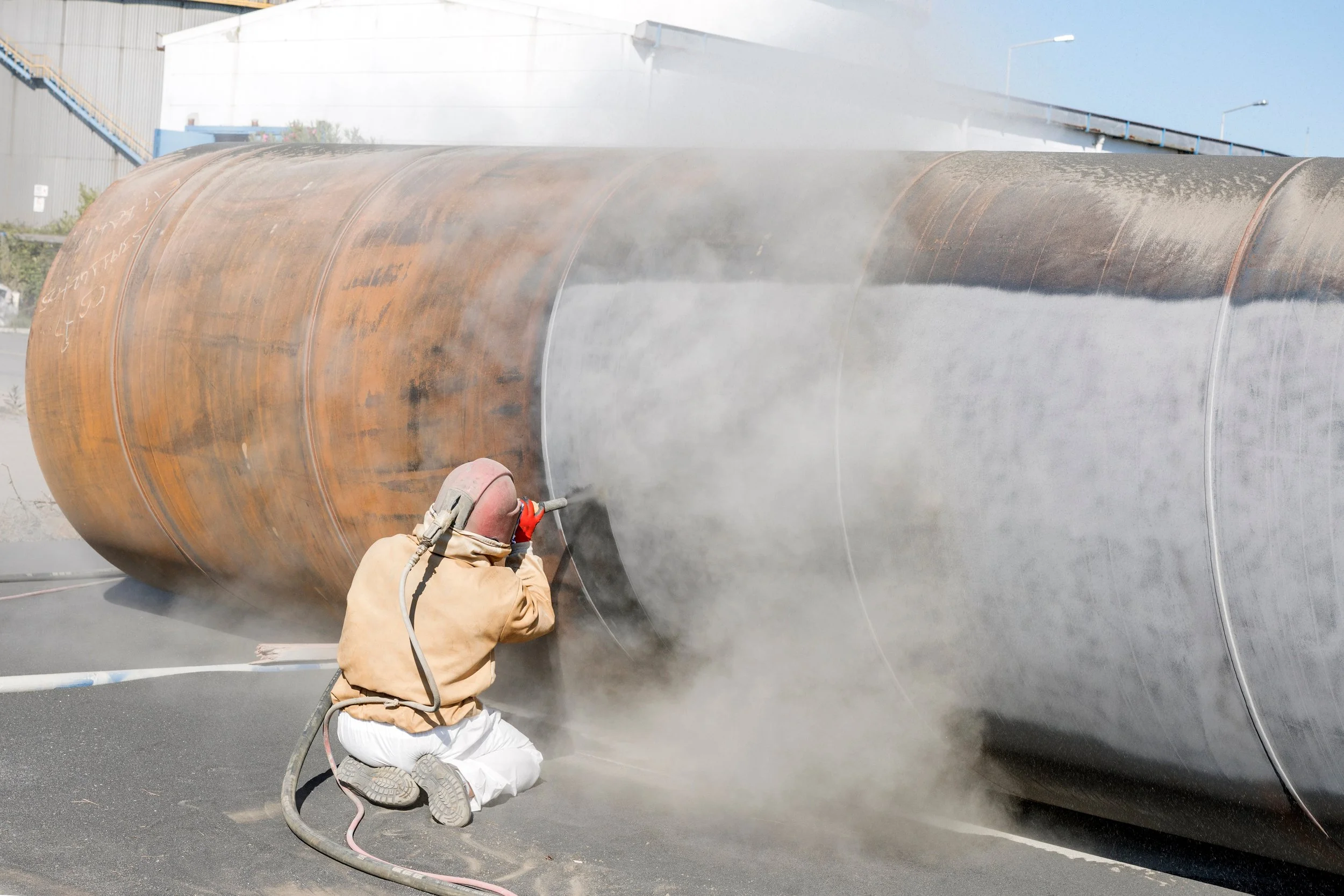
Diamond floor grinding opens the concrete to a consistent profile. Where old coatings or contamination are present, dust free shot blasting covers larger areas faster and more evenly. Everything runs through H-class extraction.
Chemically attacked slabs need more removal than people expect, because the concrete itself is often degraded well below the surface. Our full floor preparation approach accounts for that.
Acid-damaged concrete is soft and has to come out. We cut back to sound material and rebuild with chemically compatible repair mortars.
Cracks are cut, filled or stitched depending on whether they’re live. Falls to drainage get corrected where liquid has been ponding, since standing chemical is what kills floors. See our concrete floor repairs and floor stitching pages for detail.
Failed resin comes off first through our epoxy floor removal service.
This is where chemical floors are won or lost.
Coved upstands are formed at every wall junction, typically 100–150mm high, so liquid can’t track behind the system. Drainage channels are dressed into the floor with the resin carried into the gully. Pipe penetrations, plinths and equipment bases are sealed individually.
Joints are cut back and refilled with chemically resistant sealant through our mastic floor joint repairs service, then carried through the finished surface rather than covered.
The primer is matched to the system and to the slab condition, with moisture-tolerant options where readings require them.
Body coats and screeds go on at controlled thickness, because chemical resistance depends heavily on film build. Under-application is a common cause of premature failure, so we monitor coverage rates as we work.
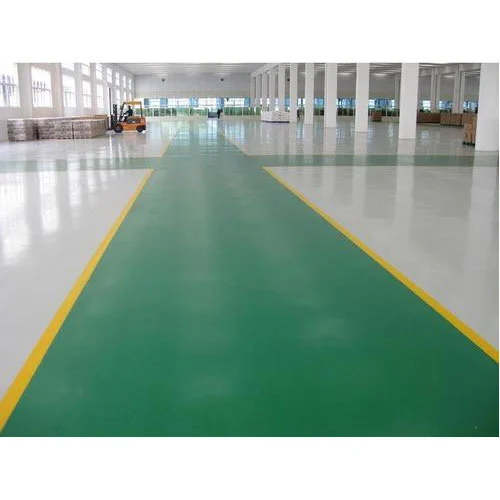
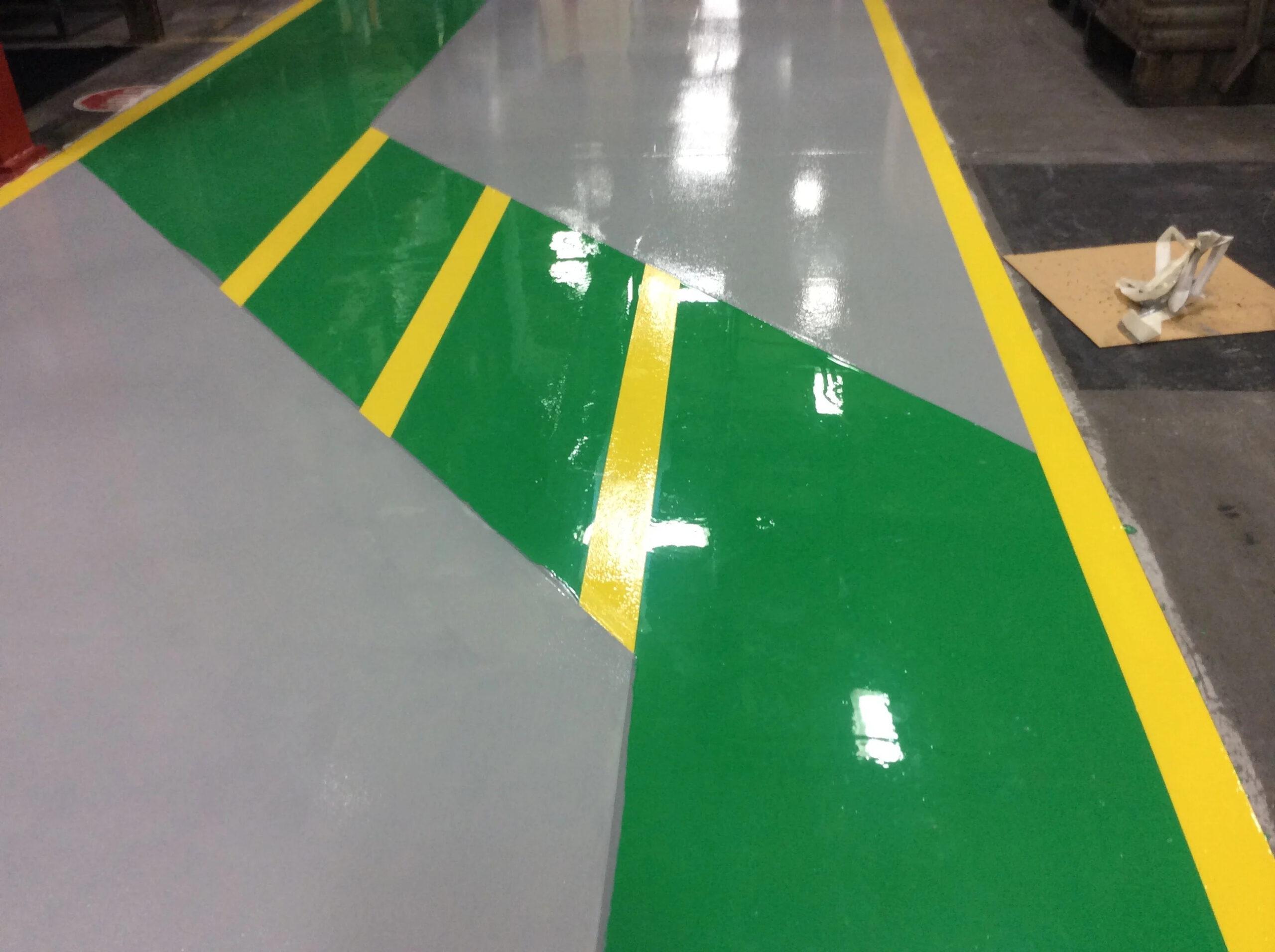
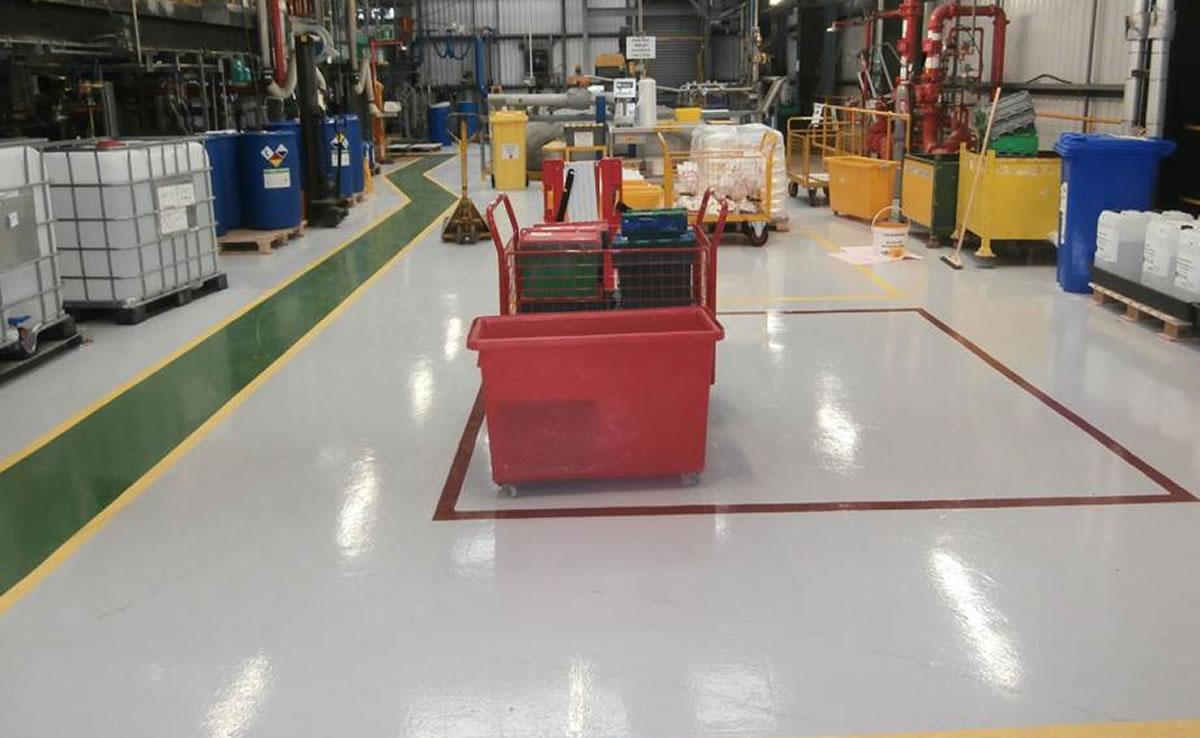
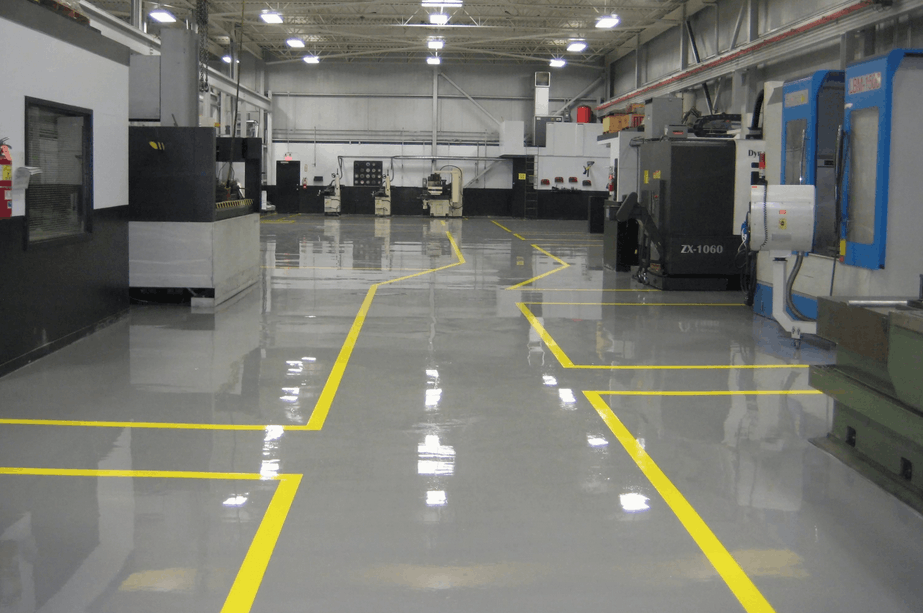
Anti-slip aggregate is broadcast where needed, graded so the floor still cleans properly. Zones and hazard areas are marked using safety line marking compatible with the system.
Chemical service requires full cure, which takes longer than foot traffic. Expect walking at around 24 hours and full chemical exposure at 5–7 days at 15–20°C. Cold rooms extend that, and we plan honestly rather than optimistically.
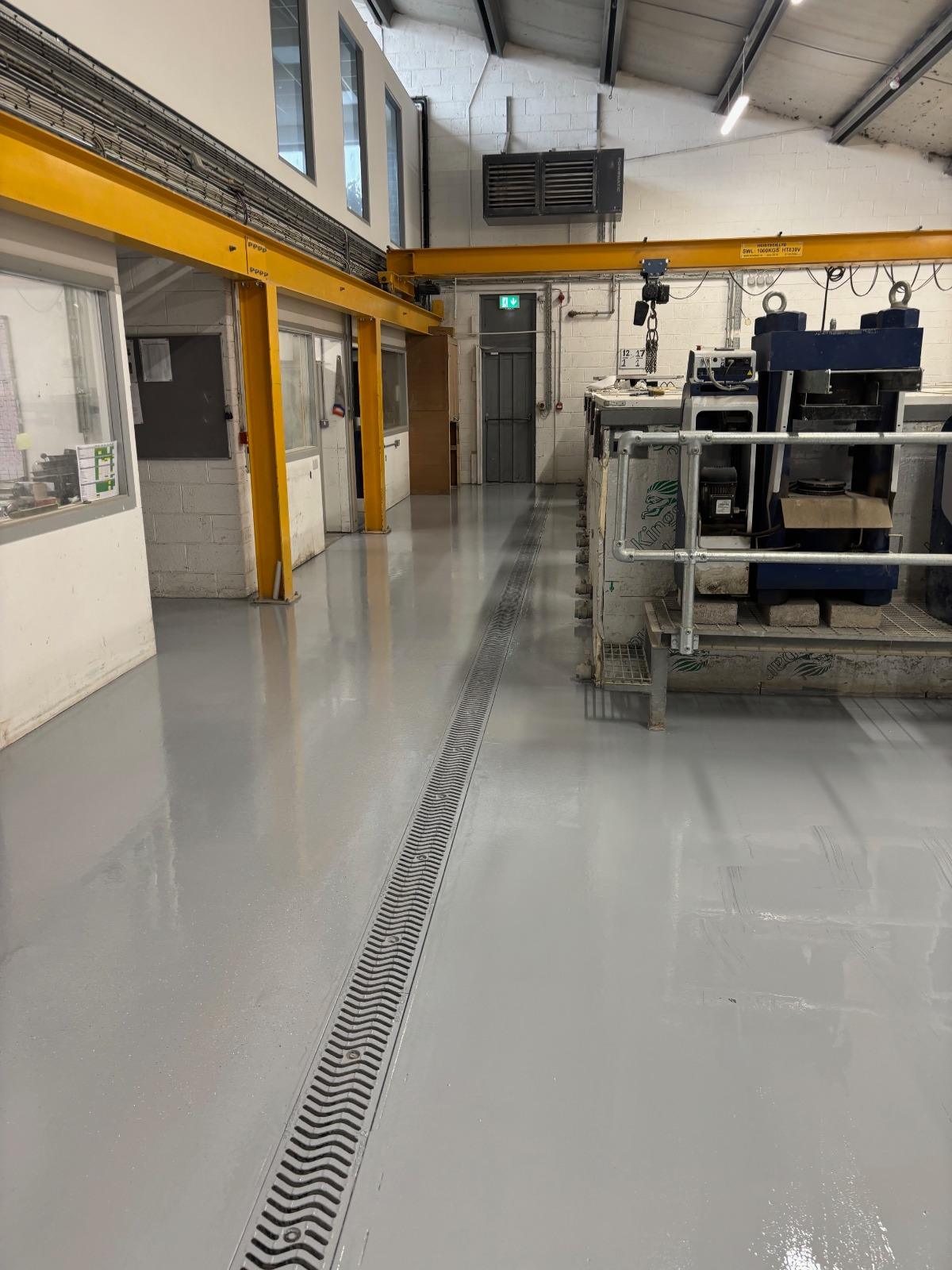
You get a product record, the resistance data for your file and clear maintenance guidance. Our before and after gallery shows completed installations.
Once acid reaches concrete, it dissolves the cement matrix and the damage becomes structural. A resistant floor is the barrier that prevents a repair bill of an entirely different scale.
Bunded areas with coved upstands and sealed penetrations hold spillage where it lands. That’s an environmental compliance matter as much as a maintenance one.
Chemical spillage on smooth resin is genuinely dangerous. Graded aggregate gives real grip, and it keeps working through washdown.
Coving, sealed joints and a crack-free surface remove the findings auditors reach for first. Where hygiene standards also apply, our hygiene floor coating systems address both together.
Sealed, seamless floors don’t absorb product residue. Aggressive cleaning chemicals can be used without degrading the surface itself.
Relaying a production floor means stopping production. Specifying correctly the first time is far cheaper than the shutdown that a premature failure forces on you.
Full containment with coved upstands and sealed penetrations. Vinyl ester is common here where concentrated products are handled.
Lactic acid, sugars, brine and hot washdown together. Polyurethane cement screeds handle that combination where epoxy simply won’t.
Solvents, reagents and demanding cleanability standards. These usually pair with clean room systems and seamless epoxy flooring in adjoining areas.
Sulphuric acid, plating solutions and constant humidity. Containment and resistance both matter, and the detailing has to be exact.
Dosing areas, chemical stores and pump rooms with continuous exposure. Falls and drainage are as important as the coating itself.
Coolants, solvents and cutting fluids around machine bases. Larger sites combine this with industrial flooring through the wider production hall.
Ammonium nitrate, silage effluent and organic acids. Midlands agri buildings punish floors chemically far more than most people appreciate.
We install chemical resistant flooring in the Midlands across Athlone, Mullingar, Tullamore, Portlaoise, Longford Town, Birr and Roscommon Town, with full Dublin and nationwide coverage from our Dublin 3 base.
Chemical floors rarely stand alone. Contaminated or degraded slabs generally need diamond grinding or full stripping through our floor coating removal service before anything is applied. Heavy product residue usually calls for pressure washing first. Adjoining wet rooms suit our wash room systems, while walls in splash zones are best finished with hygienic wall cladding to complete the envelope. Lower-risk storage areas often need nothing more than dust proofing. If you’re unsure how far the chemical damage has gone, book a floor inspection and repair visit.
Chemical attack doesn’t announce itself. It works downward through the coating, then into the cement matrix, and by the time you see pitting or exposed aggregate the concrete underneath is already compromised. A resistant floor specified against your actual chemical list stops that at the surface. One specified from a generic brochure just delays the discovery, and the repair that follows costs several times what the correct system would have.
Chemical resistant flooring in the Midlands, delivered by Ron and the crew, starts with your chemicals and your temperatures — not a product we happen to stock. The survey is free. The quote is written and itemised. We phase the work so production keeps moving.
Call Ron: 086 2631652 — direct line, straight answers
Call Office: 014800555 — Sun–Fri, 09:30–17:30
Email: info@midlandsfloorpaintingco.ie
Or send your details through our contact page and we’ll come back to you the same working day, with no obligation.
Specify it against what you actually spill. Everything else is guesswork.
Fill in your details and we'll get back to you within 24 hours.
Our Clients






Case Studies
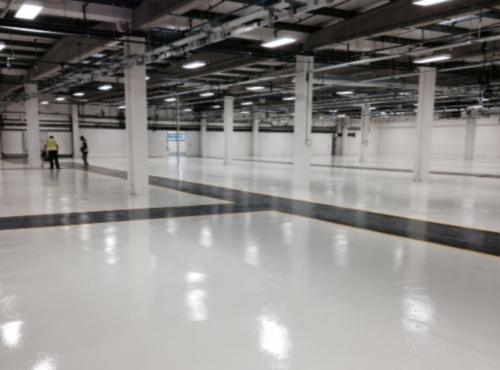
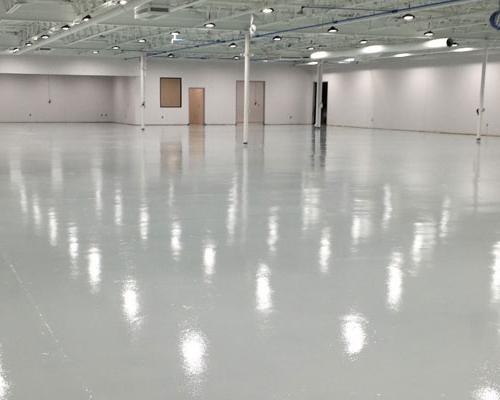
Healthcare Manufacture Plant
Client:
Trulife International
Location:
Airton Rd, Dublin, Ireland
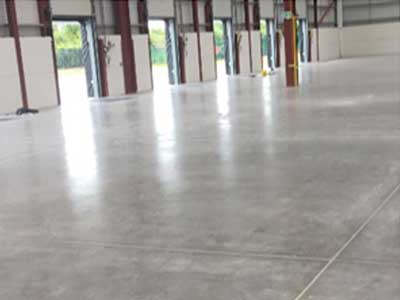
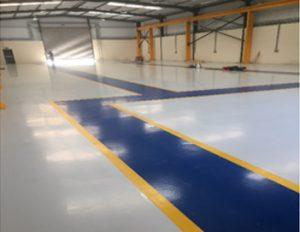
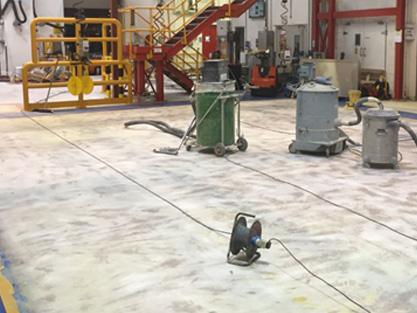
Old Concrete Refurbishment
Client:
Pressco Engineering
Location:
Dublin, Ireland
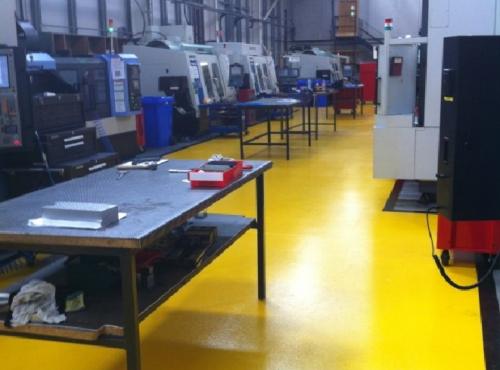
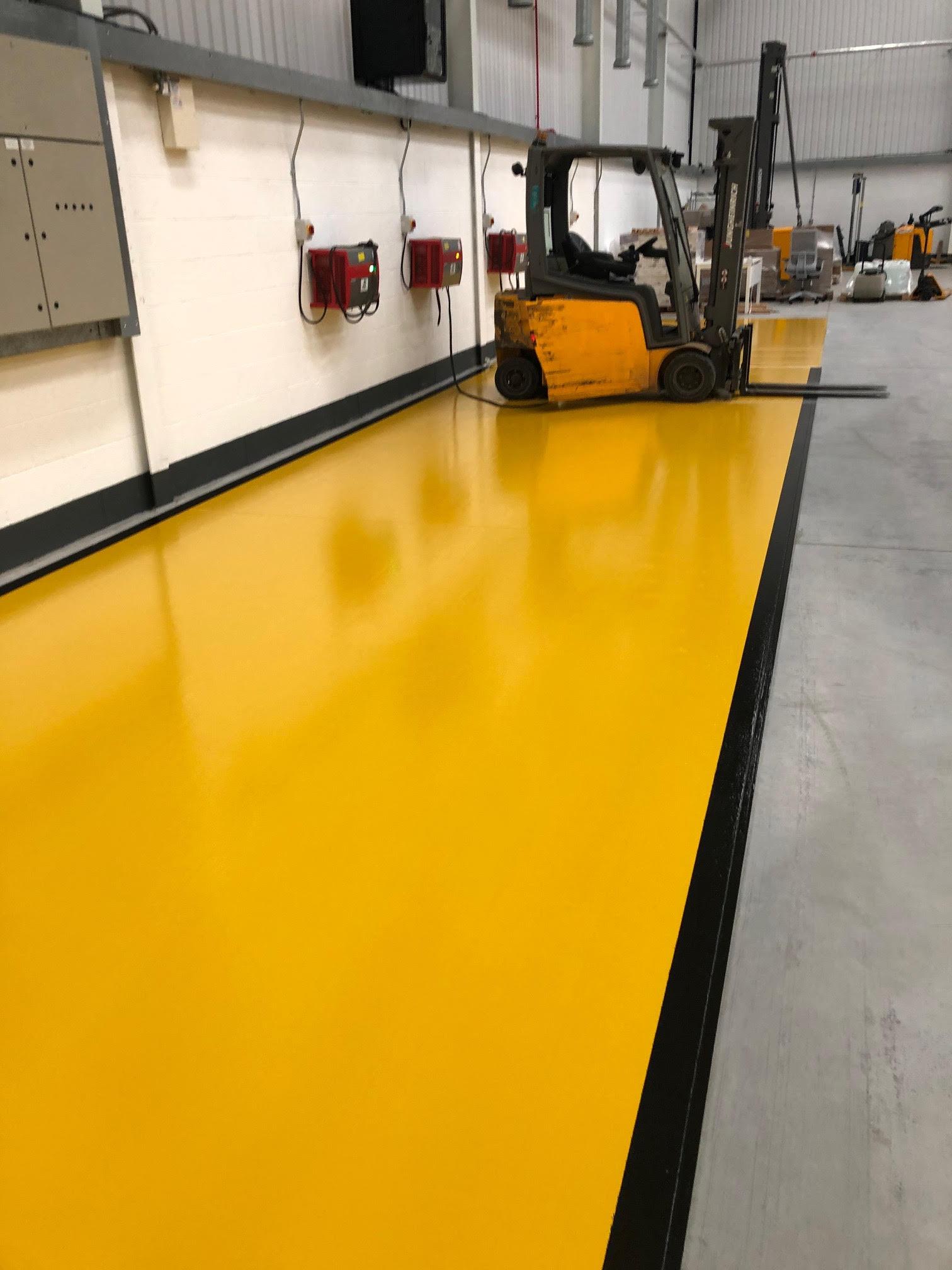
Anti Slip Flooring Installment
Client:
Tech Engineering
Location:
Bray, Ireland
Before & After
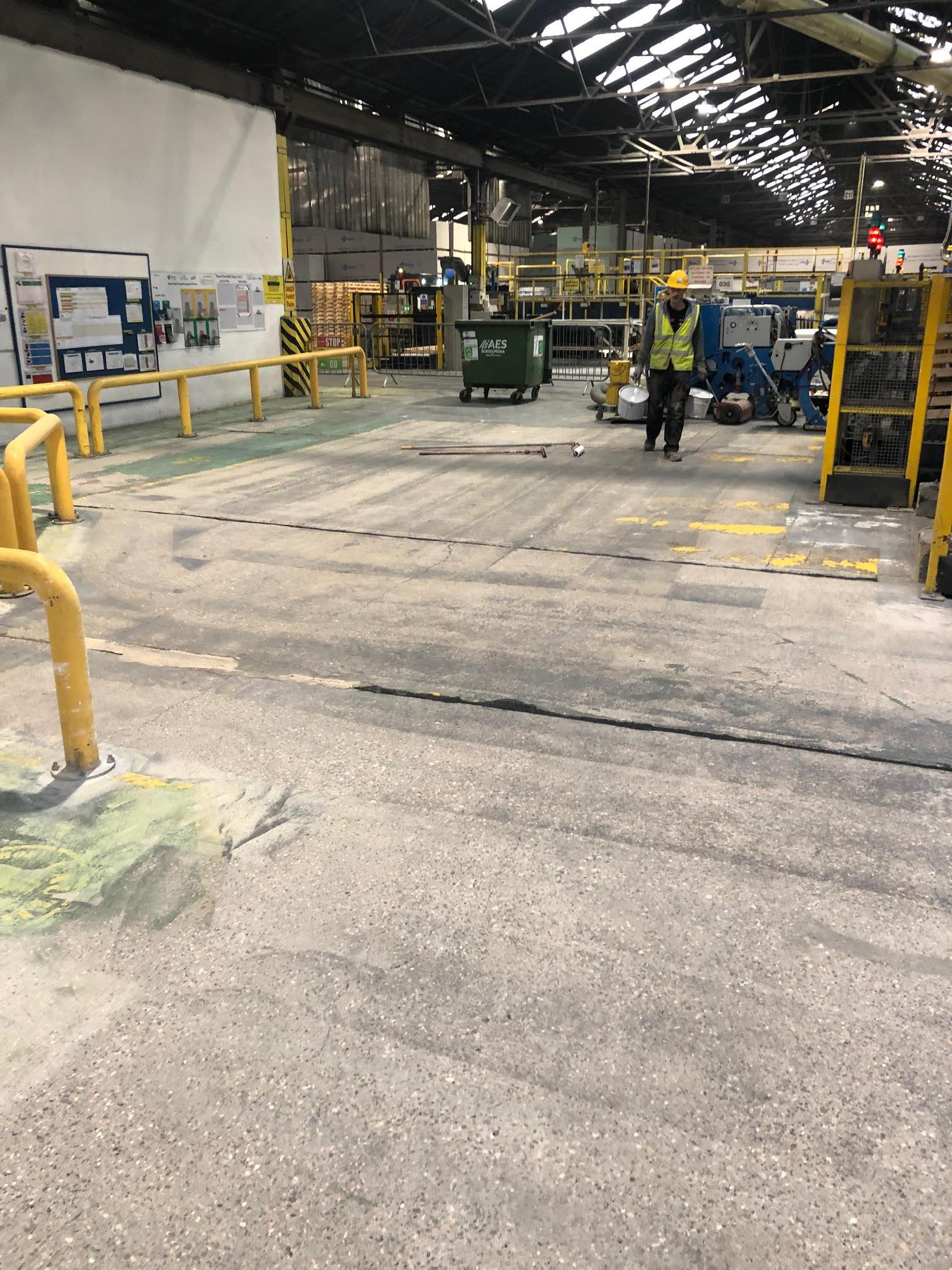
Before
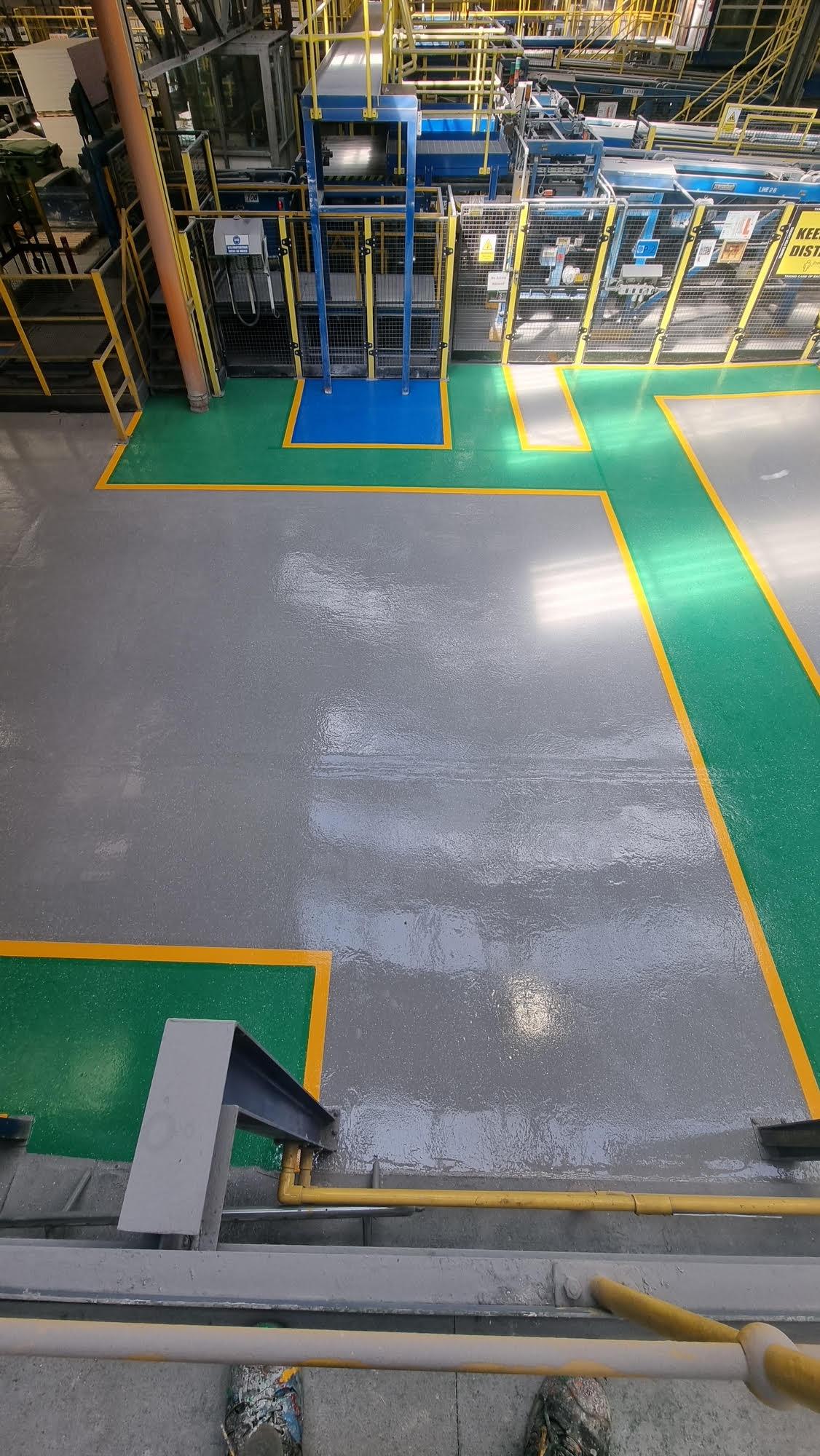
After
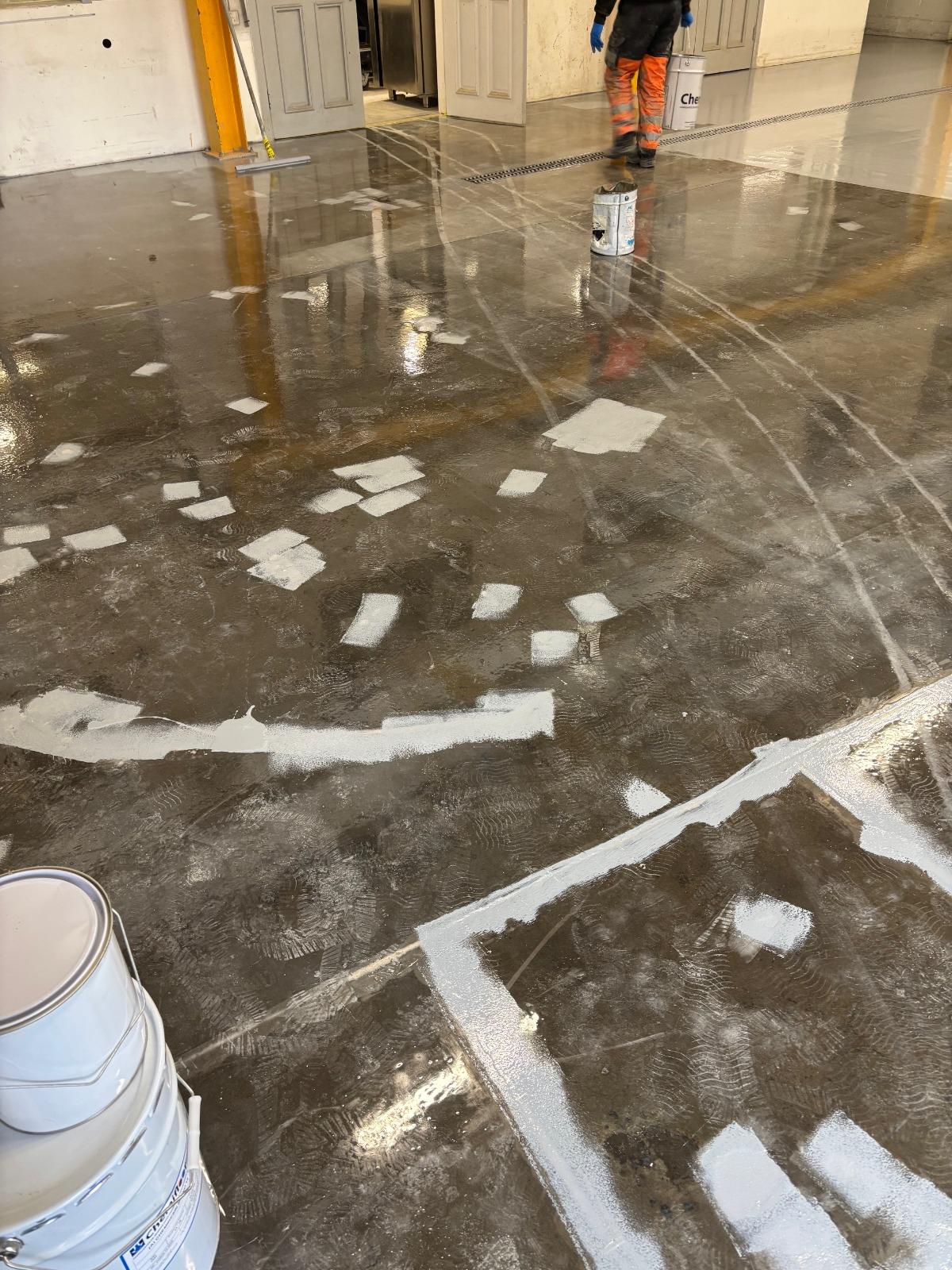
Before
After
Call on 0862631652 or Office Tel 01 2314676 Email us on info@midlandsfloorpaintingco.ie