Get a Quote
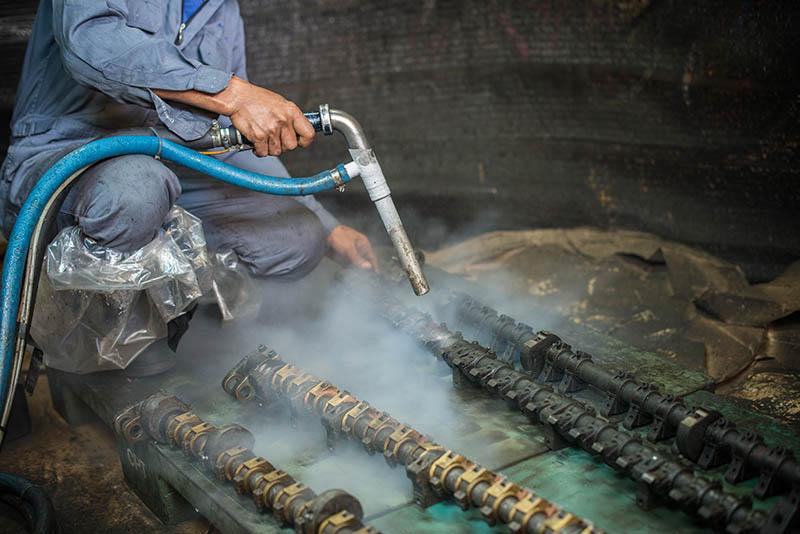
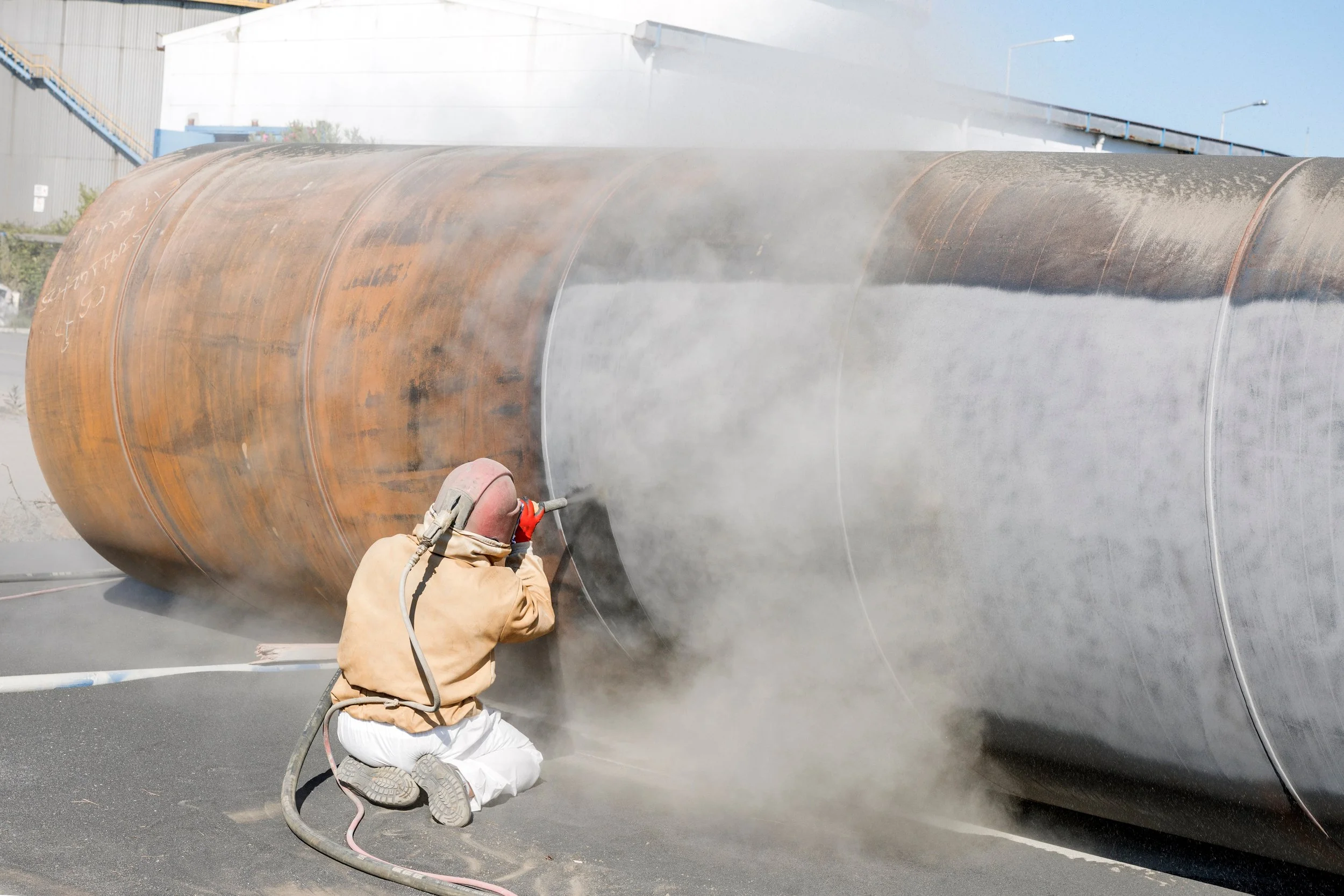
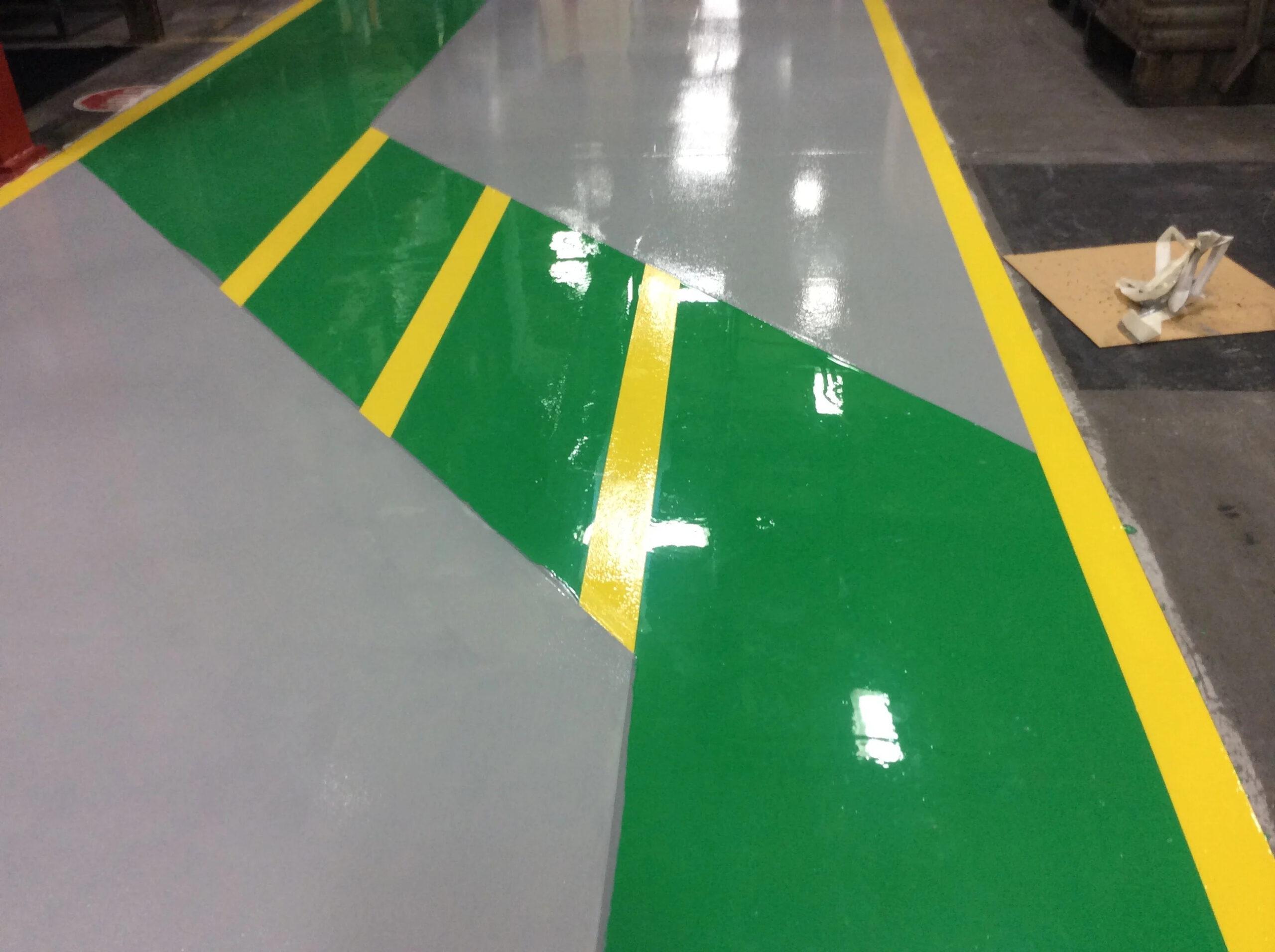
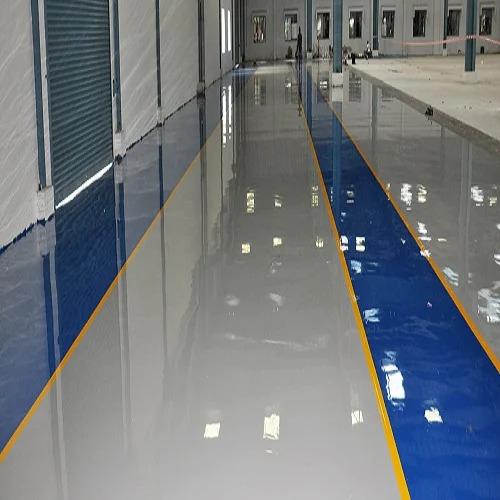

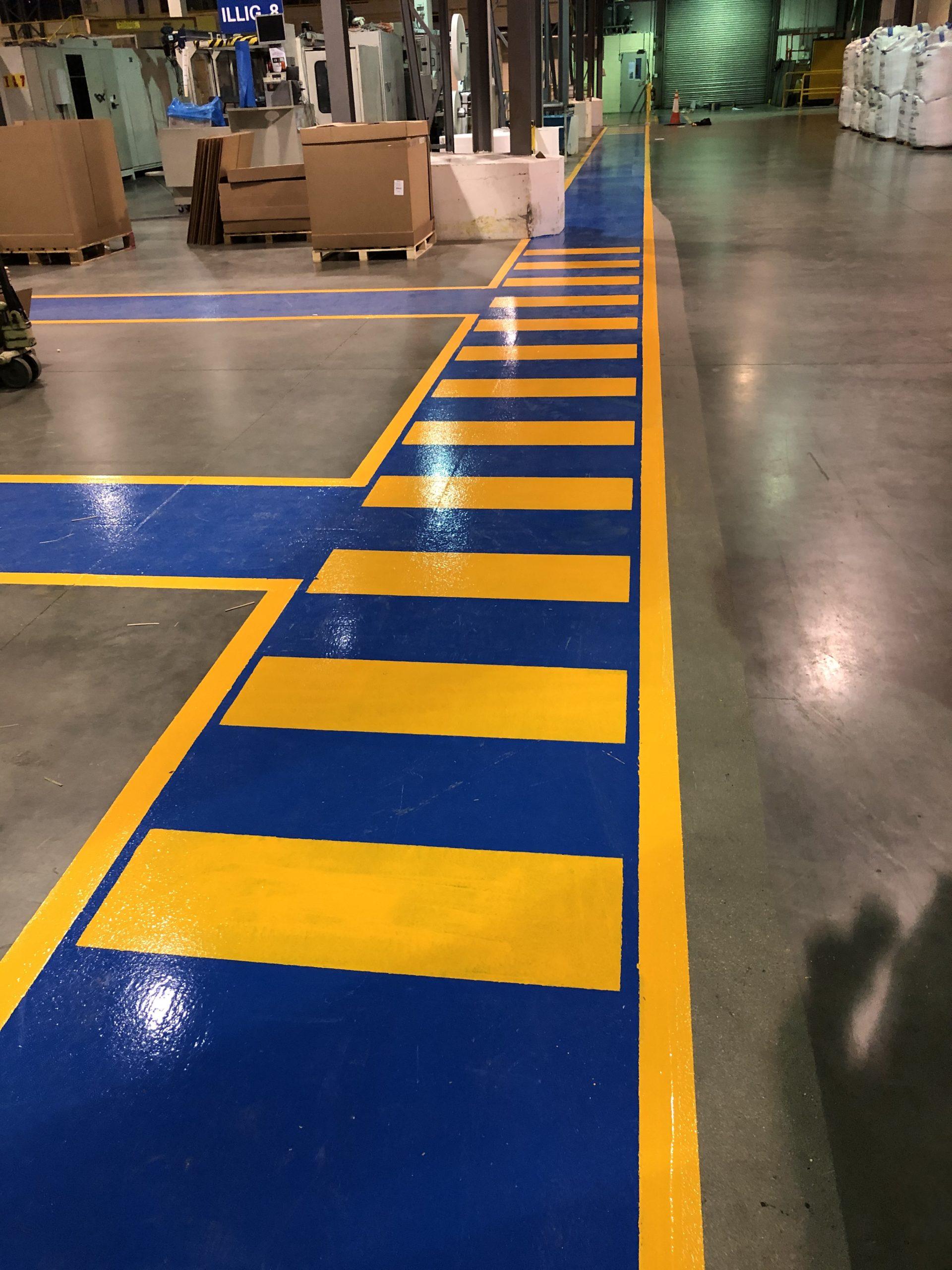
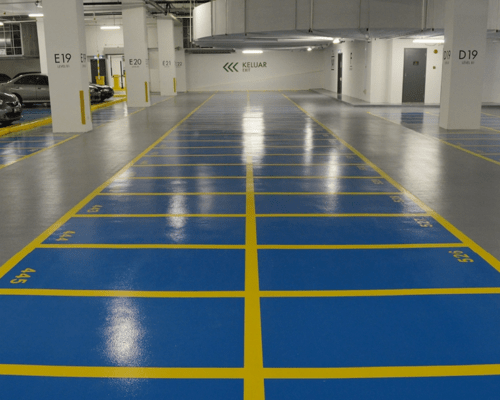
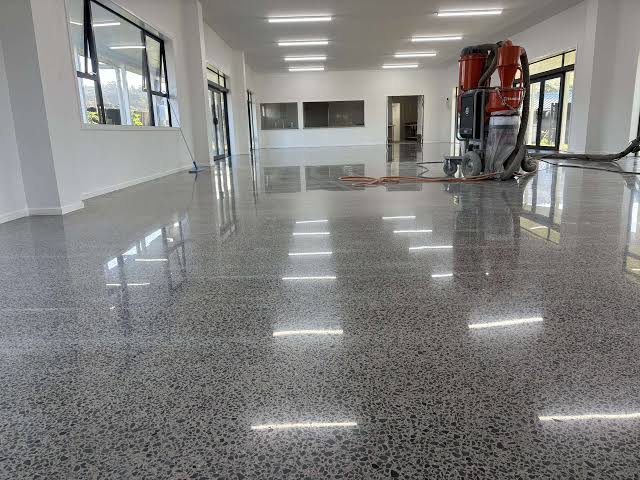
Floor grinding in the Midlands is the least glamorous line on any flooring quote and the only one that reliably predicts whether the job lasts. Here’s the thing nobody selling you a coating wants to dwell on: resin doesn’t stick to concrete. It sticks to the profile you create in concrete. Leave the laitance — that soft, powdery skin of fines that rose during the original pour — and your expensive epoxy is bonded to a layer with almost no tensile strength of its own. It will hold beautifully until the first real load crosses it, then lift in sheets taking the laitance with it. The coating never failed. It was simply glued to the weakest 2mm of your slab.
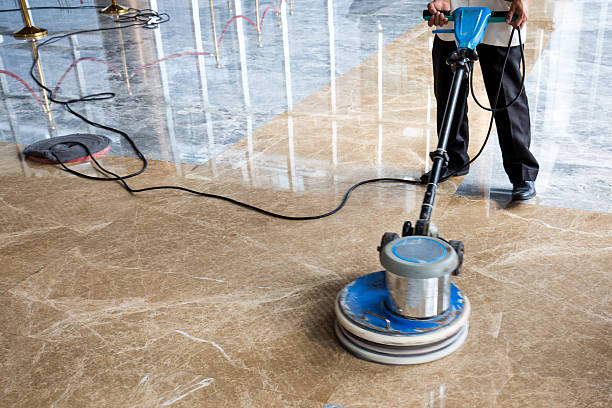
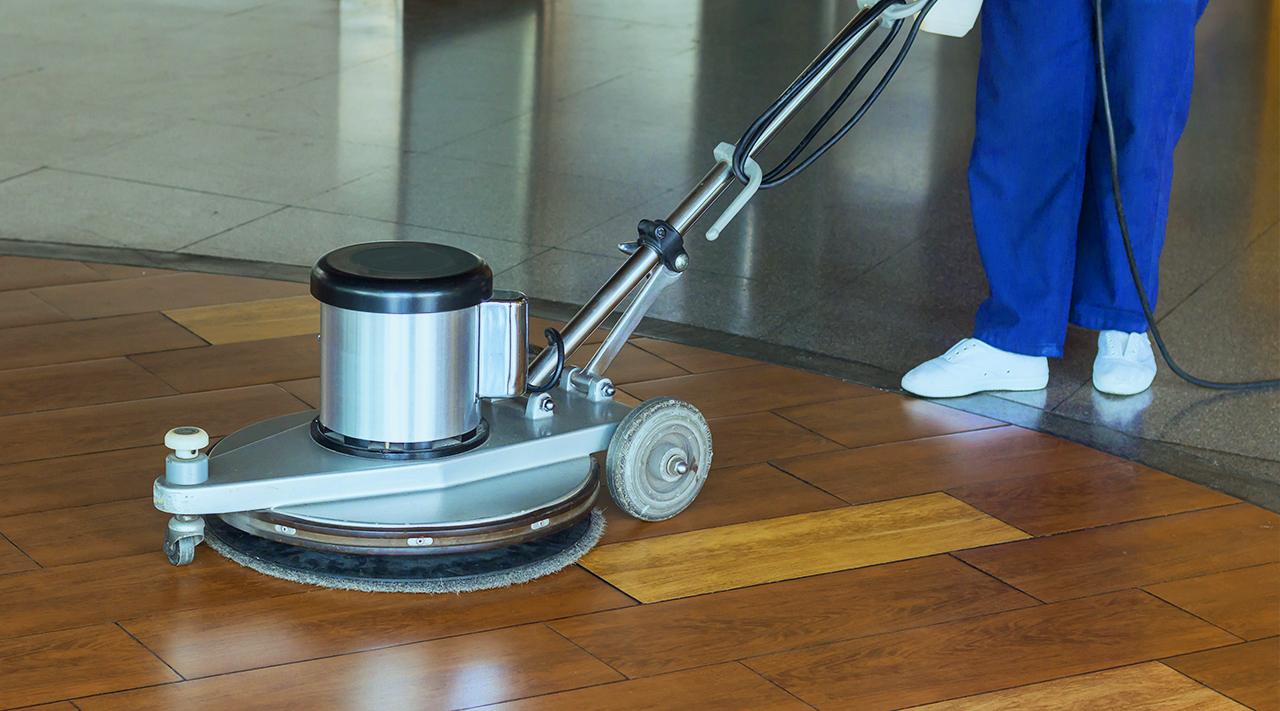
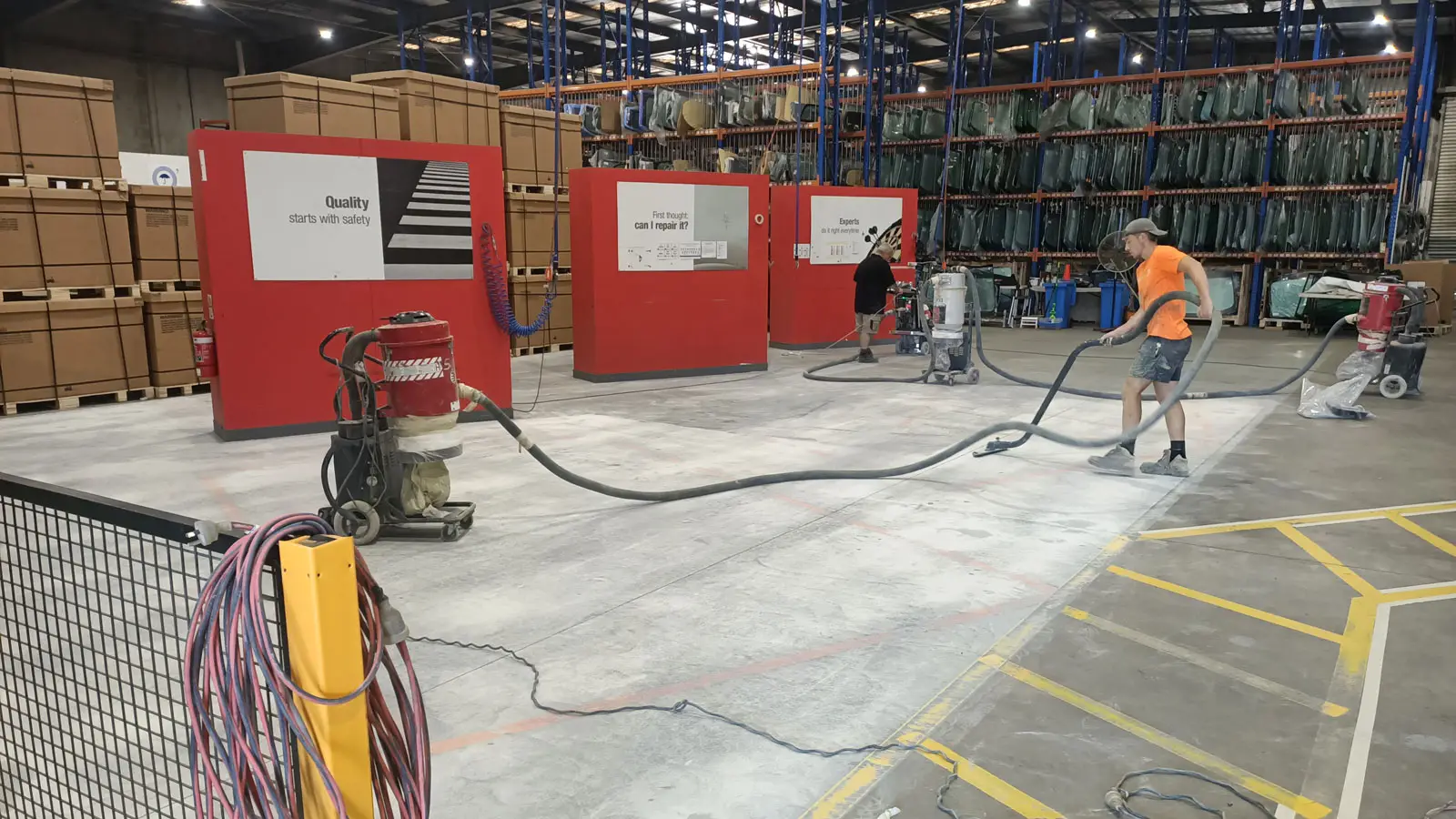
Grinding removes that layer and opens the concrete into a mechanical key with genuine tooth. Ron checks slab hardness first, because a soft warehouse floor and a power-floated cold store need completely different tooling and completely different pricing. Our machines run through H-class extraction, so we grind alongside live production without shutting your building down. That discipline is why coatings we install stay down for a decade, and why clients across Westmeath, Offaly and Dublin keep coming back — as our customer testimonials show.
Planning a coating or dealing with one that lifted? Call Ron on 086 2631652 for a free slab assessment.
Contractors reach for shortcuts here because grinding takes time. It’s worth knowing what those shortcuts actually cost you.
Good grinding is methodical. The machine is simple; the judgement isn’t.
Ron scratch-tests the surface to gauge hardness, checks flatness with a straight edge and looks at what’s already down. Soft slabs cut fast and clog tooling. Hard power-floated slabs cut slowly and need aggressive segments.
That assessment determines the tooling, the passes required and therefore the price. Guessing at it is how contractors end up either overcharging or abandoning halfway.
You get a written, itemised quote covering grinding, any removal work and reinstatement separately.
The floor needs to be empty. We then screen the working zone and set up extraction so neighbouring areas keep operating.
Where the floor is heavily soiled with oil or product residue, pressure washing comes first. Grinding through grease just smears it deeper into the pores.
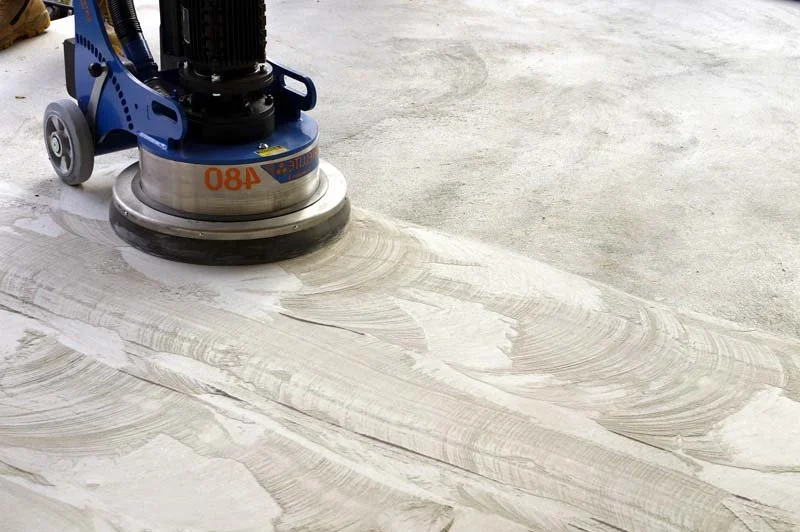
Metal-bond diamond segments do the cutting. Grit and bond hardness are matched to the slab, and this is where experience matters.
Soft bonds on hard concrete wear out expensively. Hard bonds on soft concrete glaze over and stop cutting. We carry a range and change tooling as the floor demands, rather than forcing one set across the whole job.
The first pass takes off laitance and coatings, working in overlapping runs across the full area. Direction is changed on subsequent passes so the profile stays even rather than developing tramlines.
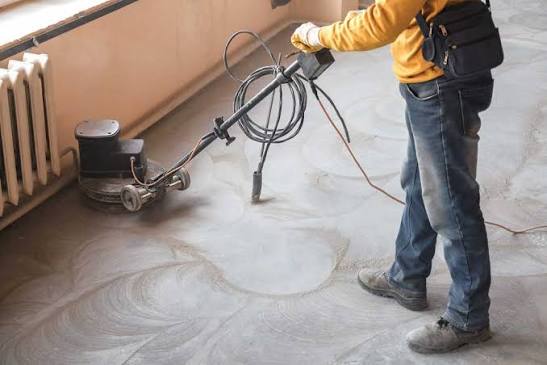
Edges and corners are cut with hand-held edge grinders, because a machine that can’t reach the perimeter leaves a strip of untouched laitance exactly where coatings tend to fail first.
Progressive grits follow where a finer finish is required. For coating preparation we usually stop coarse, since a polished surface bonds worse, not better.
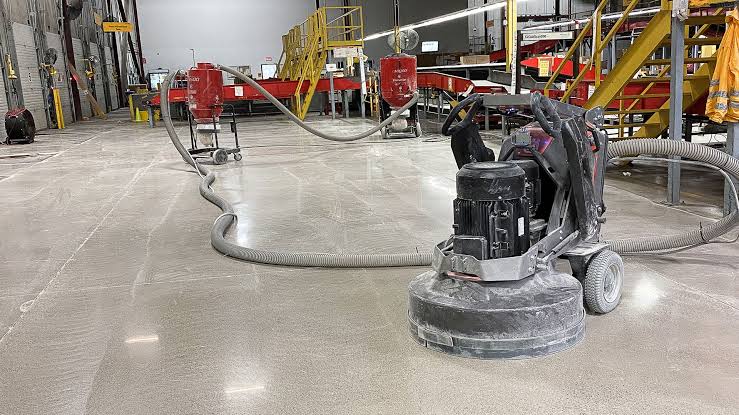
Every machine runs into H-class vacuum extraction with HEPA filtration. Concrete dust contains respirable crystalline silica, so this is a health control rather than a housekeeping preference.
It also means adjacent production, stock and offices stay clean, which is usually what makes phased working possible at all.
The floor is vacuumed thoroughly, then checked across its whole area for consistency of profile. Any missed patches or glazed areas get reworked before we hand over.
If defects have been exposed during grinding — and they usually are — we point them out now. Cracks may need floor stitching and potholes need concrete floor repairs before any coating goes down.
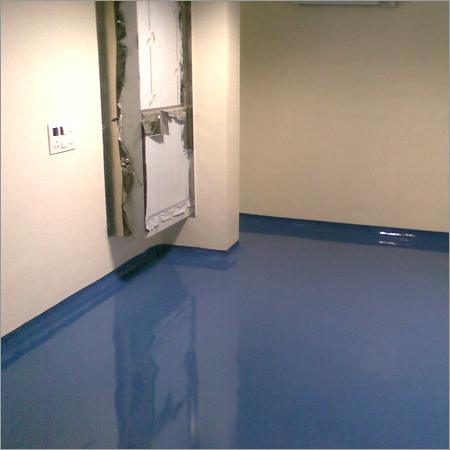
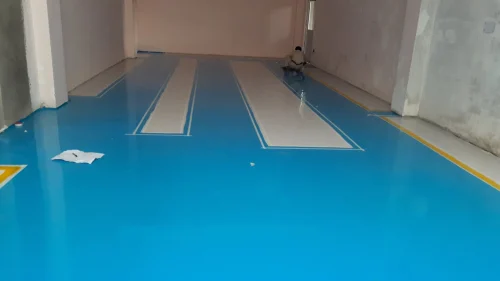
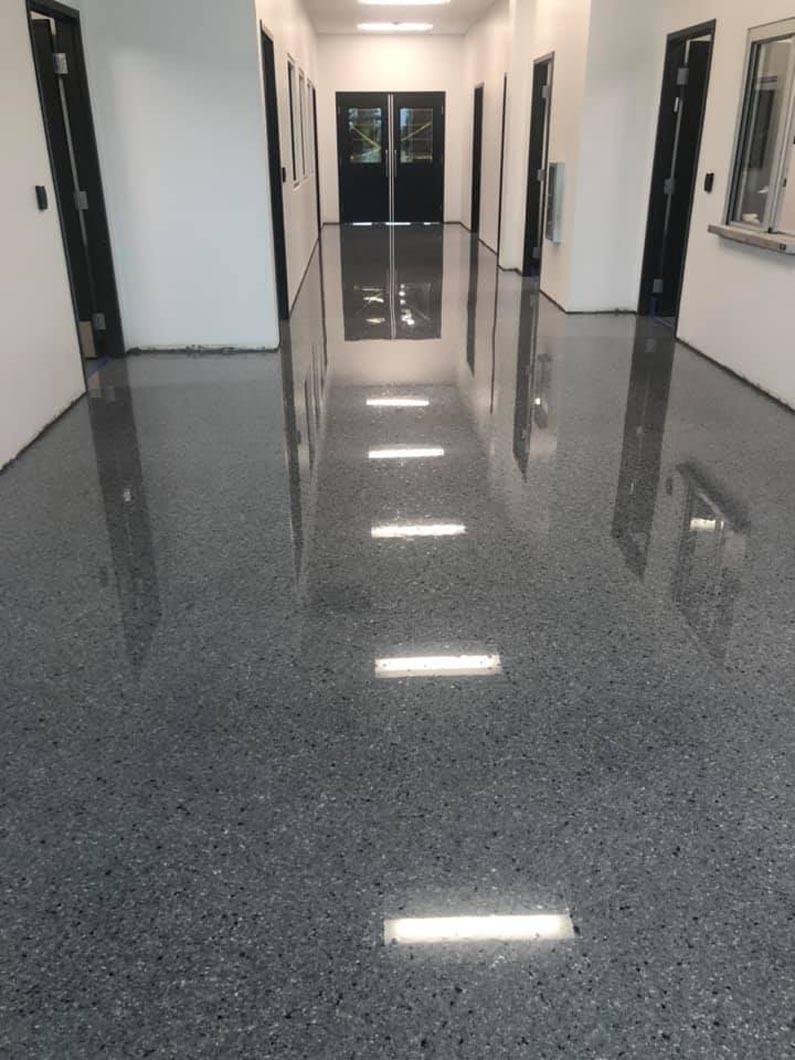
A ground floor should be coated promptly, because an open profile picks up dust and contamination quickly. Where we’re doing both, priming usually follows the same or next day. See our before and after gallery for finished work.
This is the whole purpose. A correct CSP profile roughly transforms adhesion, which is the difference between eight years of service and eighteen months.
A well-prepared slab needs less material to achieve the same result. Under-prepared floors often get specified thicker to compensate, which costs far more than the grinding would have.
Removing trowel ridges and joint lips reduces wheel impact straight away, even before anything is applied over it.
Oil, product residue and old adhesive come out mechanically rather than being sealed underneath a new coating where they’ll cause bleed-through later.
Grinding reveals cracks, hollow patches and weak areas while you can still deal with them cheaply. That’s genuinely useful information, not bad news.
Extraction changes the whole character of the work. Most clients are surprised how little disruption there is beyond the immediate working area.
Coating, screed, densifier, polish or PVC flooring — all of them start better on a properly ground substrate.
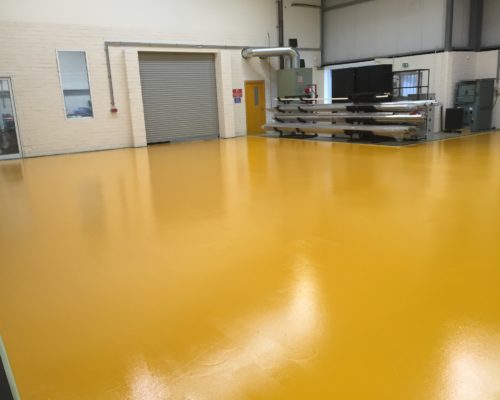
Large open areas where machine grinding is quick and economical per square metre. Usually the first stage of a full industrial flooring installation.
Contaminated slabs around machine bases, plus levelling where years of traffic have worn channels into the surface.
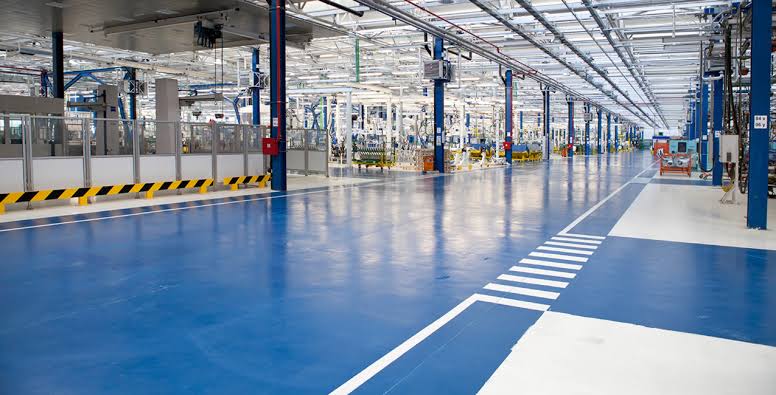
Preparation for hygiene floor coating systems, with extraction that meets the housekeeping standards these sites already work to.
Adhesive and vinyl residue removal between tenancies. Tight programmes are normal, so we work nights and weekends to hit handover dates.
Preparation ahead of car park flooring systems, plus removal of failed deck coatings and traffic film.
Oil-contaminated concrete where grinding removes affected material before recoating. Smaller premises often pair this with garage floor painting.
Summer and out-of-hours programmes with hard deadlines. Dust extraction is what makes working in occupied buildings realistic.
We deliver floor grinding in the Midlands across Athlone, Mullingar, Tullamore, Portlaoise, Longford Town, Birr and Roscommon Town, with full Dublin and nationwide coverage from our Dublin 3 base.
Grinding is a step, not a destination. Deeper cutting and heavier removal are handled through diamond grinding, while thick failed systems come off faster with our floor coating removal service or epoxy floor removal service. Once the slab is open, most clients move on to epoxy flooring or a straightforward industrial floor painting finish. Perished expansion joints should be addressed first through mastic floor joint repairs, and sound slabs that need nothing more can simply be protected with concrete sealing. Not sure how much preparation your floor genuinely needs? Book a floor inspection and repair visit.
Every failed coating we’re called to inspect tells the same story. The resin was fine. The application was tidy. Somebody skipped or rushed the grinding to win the quote, and the whole floor came apart eighteen months later — taking the cost of the coating, the cost of stripping it off and the cost of doing it properly with it. Preparation is the cheapest part of a flooring job and the only part that can’t be corrected afterwards.
Floor grinding in the Midlands, delivered by Ron and the crew, is done to a specified profile with extraction that keeps your building working. The survey is free. The quote is written and itemised. Most floors are ground and ready for coating within days.
Call Ron: 086 2631652 — direct line, straight answers
Call Office: 014800555 — Sun–Fri, 09:30–17:30
Email: info@midlandsfloorpaintingco.ie
Or send your details through our contact page and we’ll come back to you the same working day, with no obligation.
Get the grinding right and everything above it lasts.
Fill in your details and we'll get back to you within 24 hours.
Our Clients






Case Studies
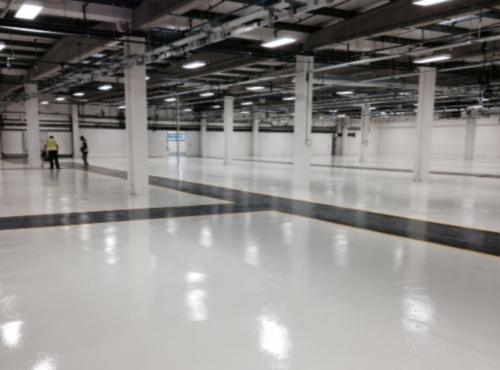
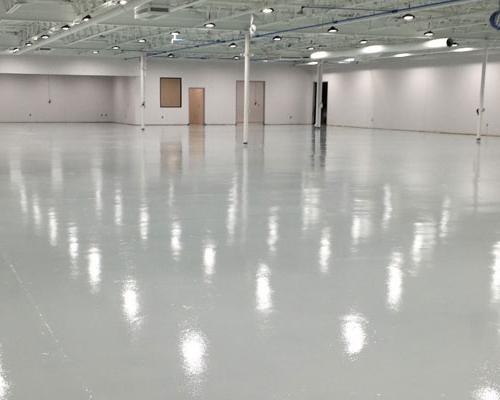
Healthcare Manufacture Plant
Client:
Trulife International
Location:
Airton Rd, Dublin, Ireland
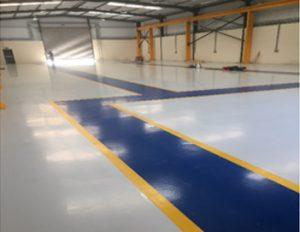
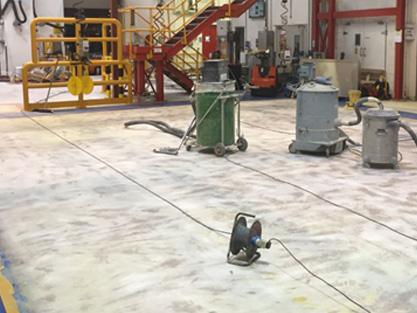
Old Concrete Refurbishment
Client:
Pressco Engineering
Location:
Dublin, Ireland
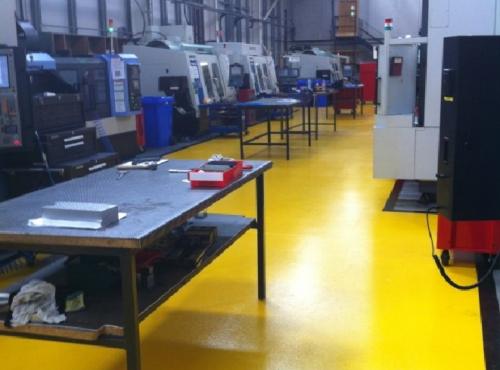
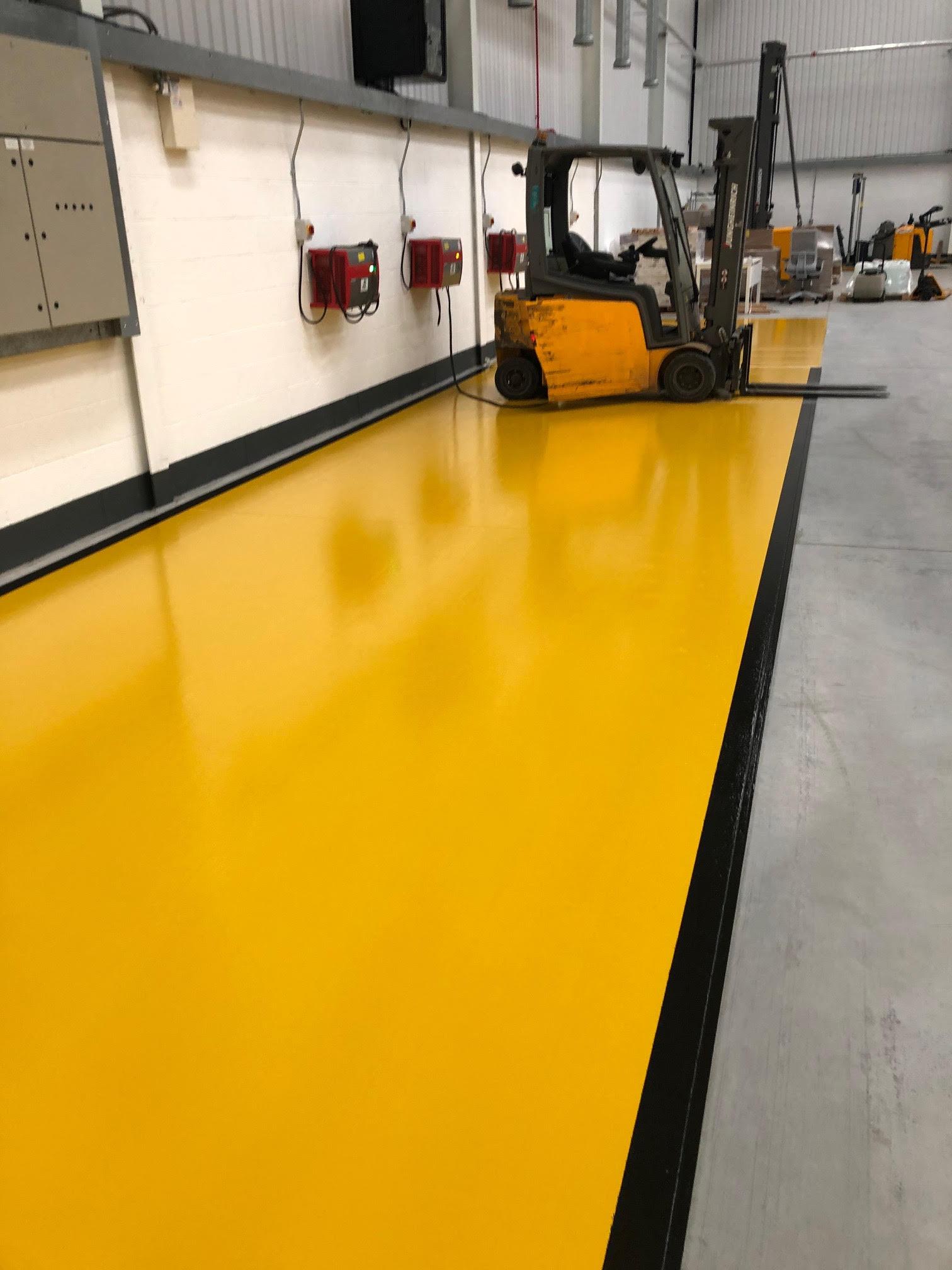
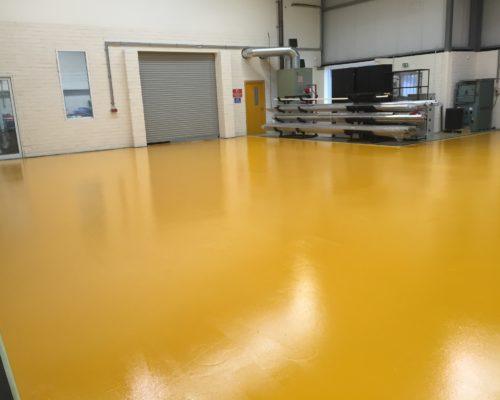
Anti Slip Flooring Installment
Client:
Tech Engineering
Location:
Bray, Ireland
Before & After
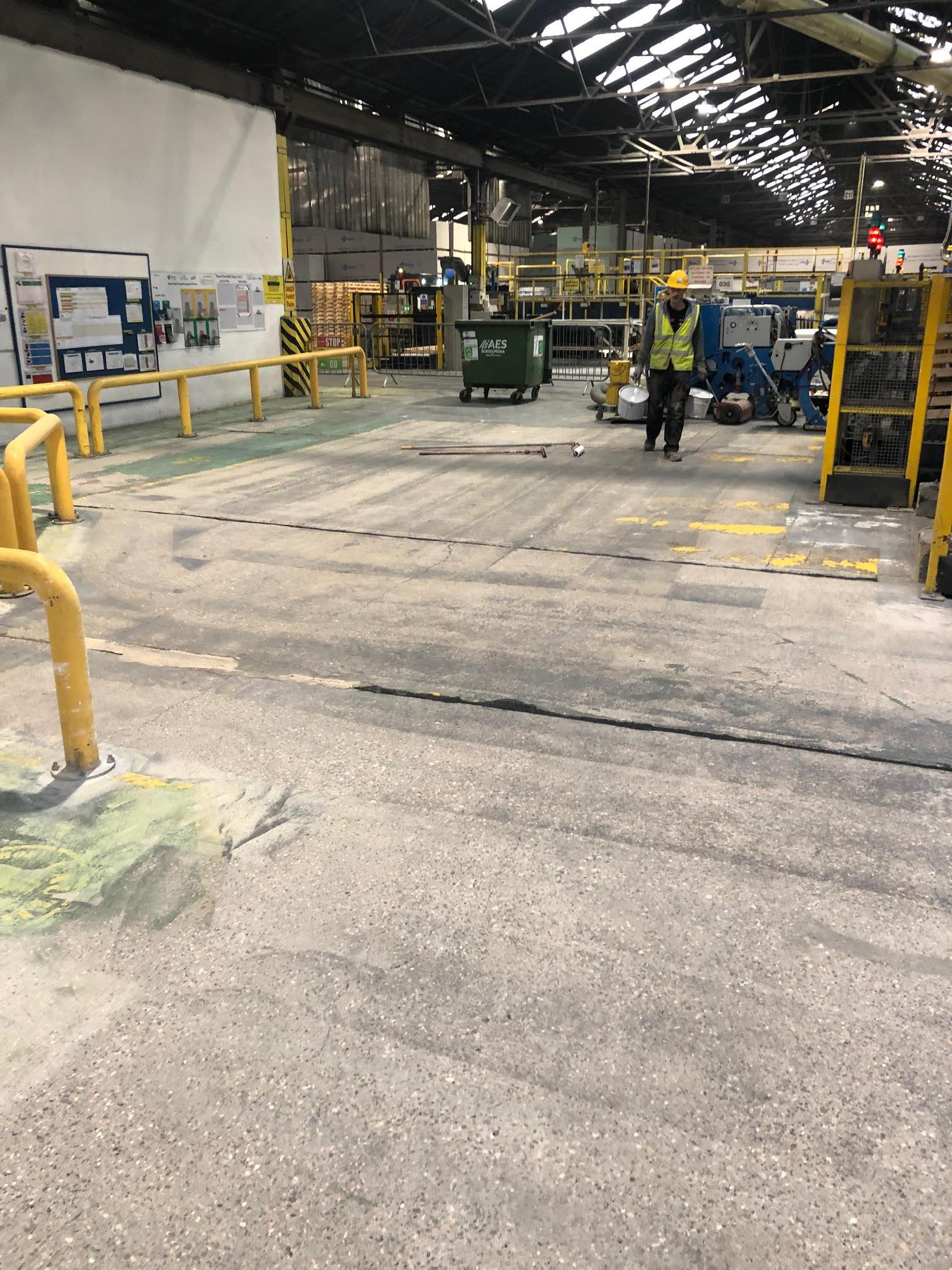
Before
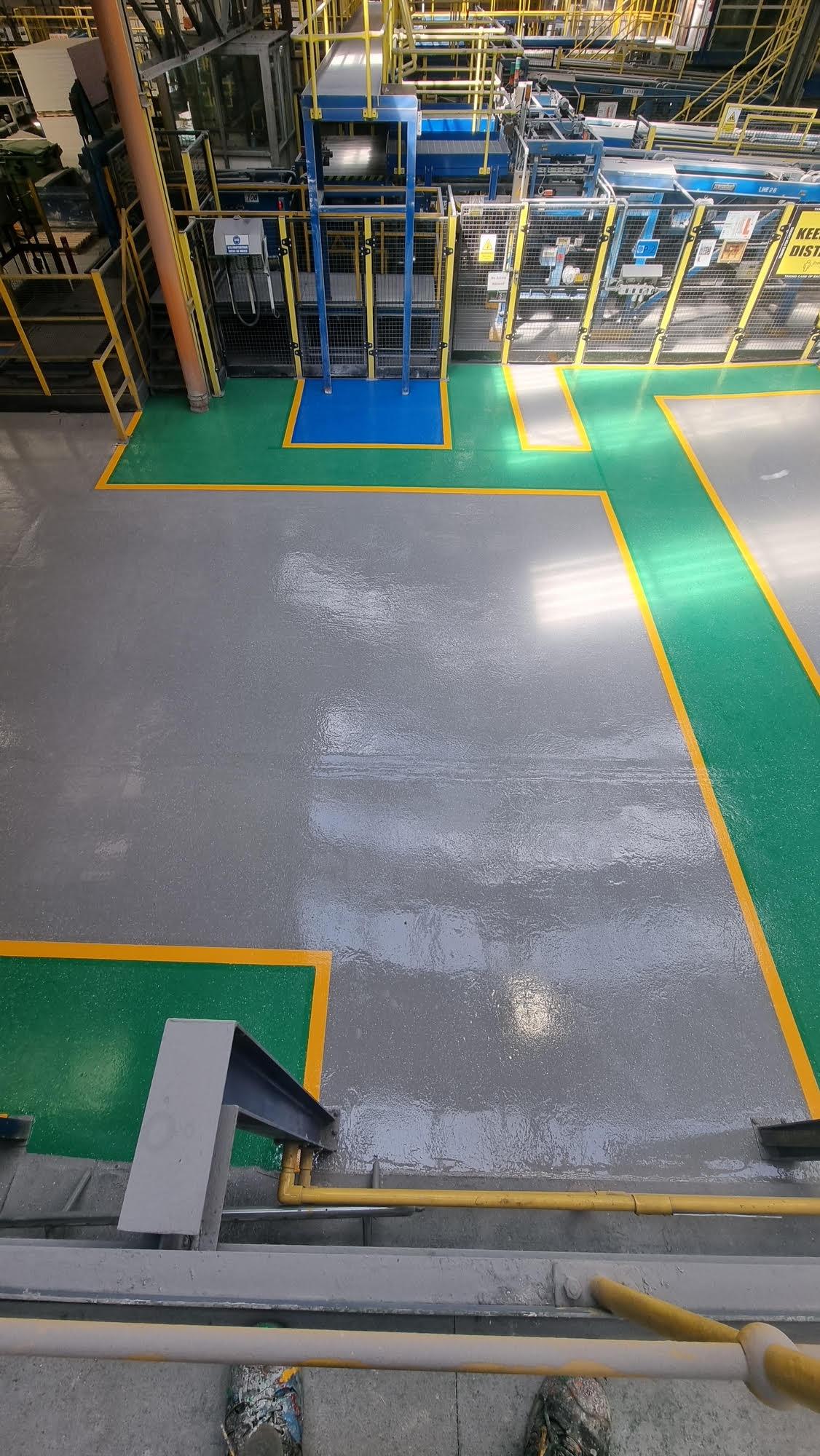
After
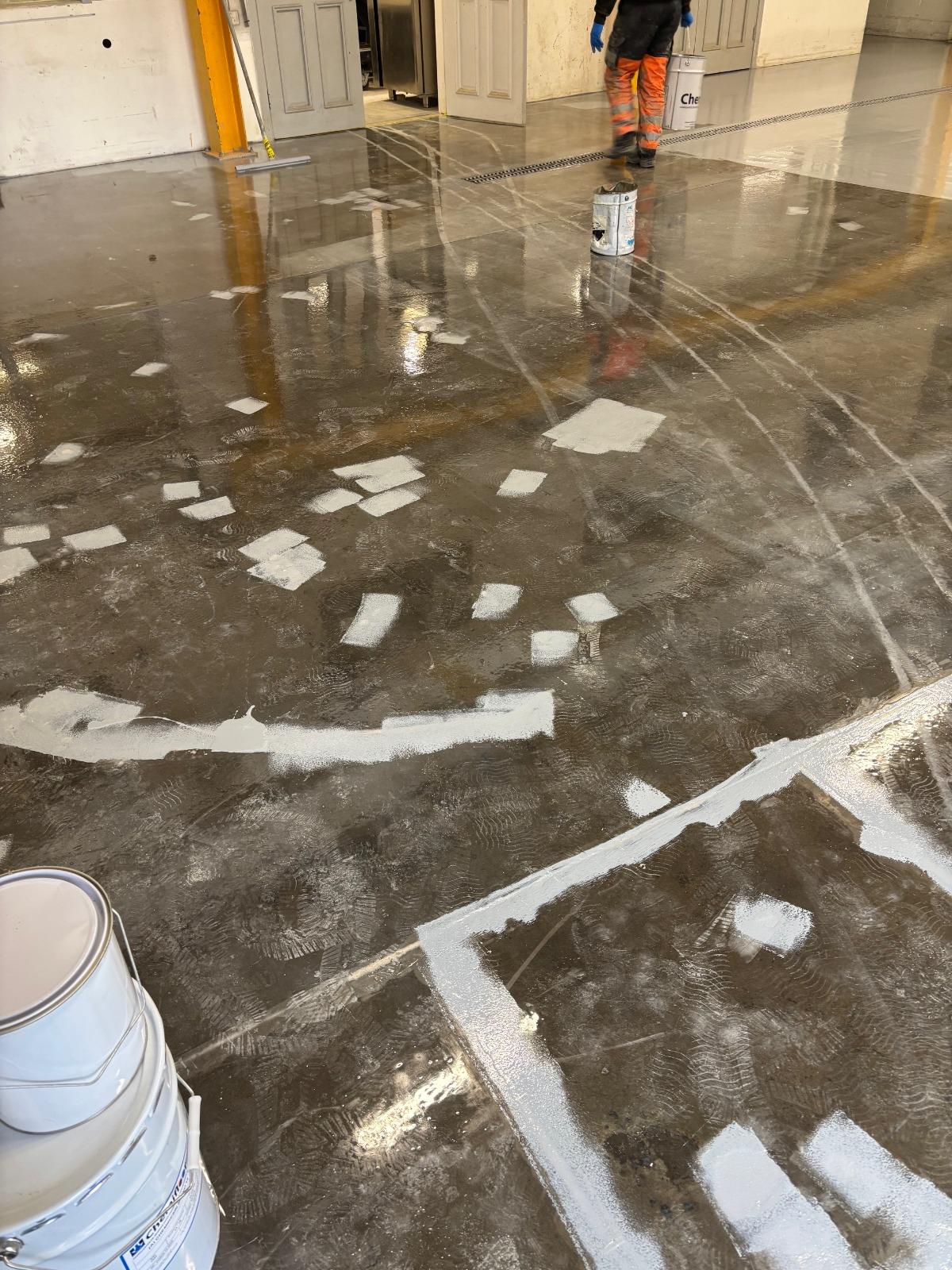
Before
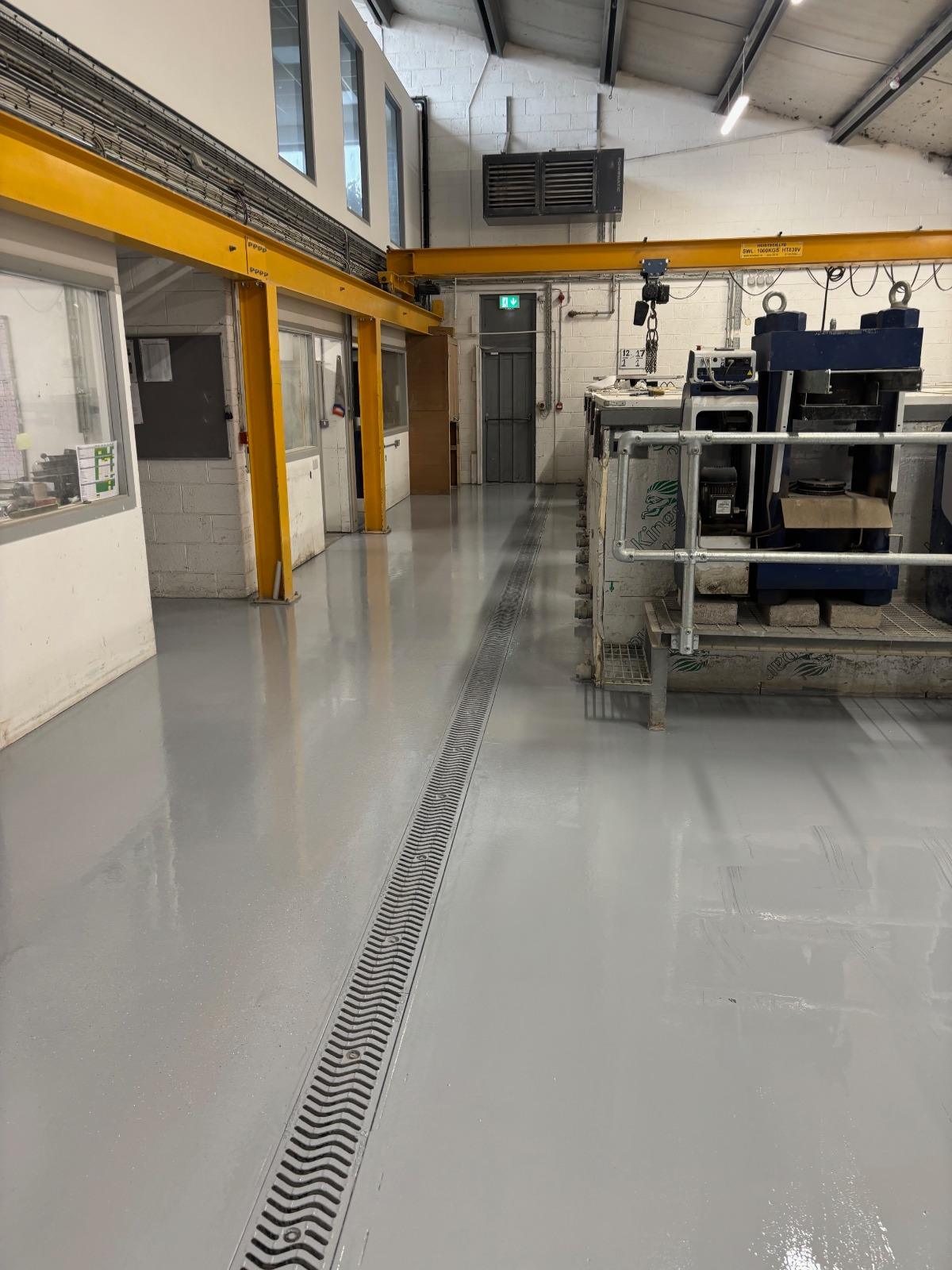
After
Call on 0862631652 or Office Tel 01 2314676 Email us on info@midlandsfloorpaintingco.ie