
Get a Quote
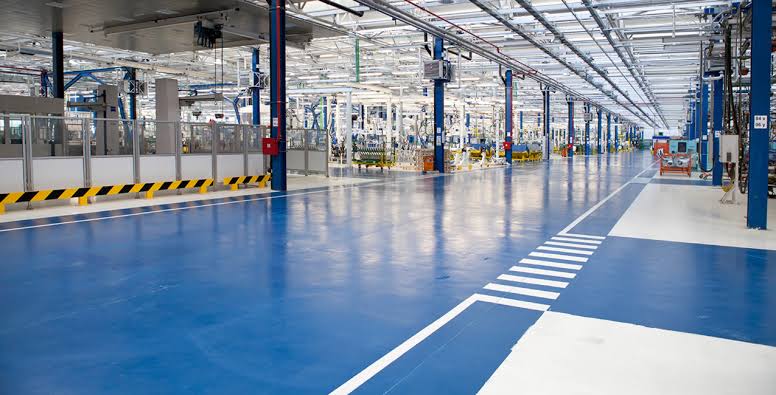
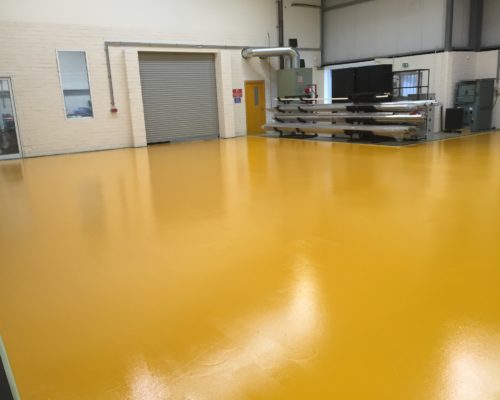
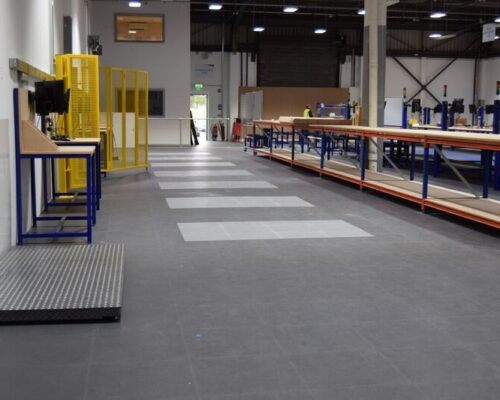
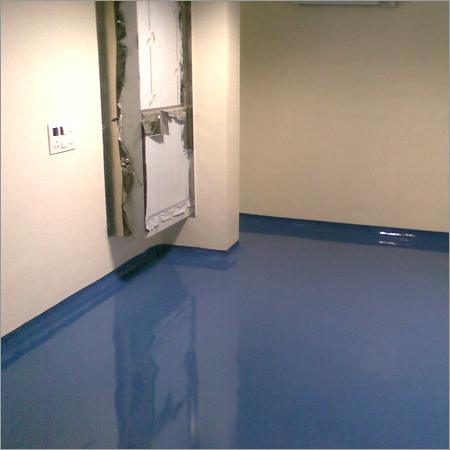
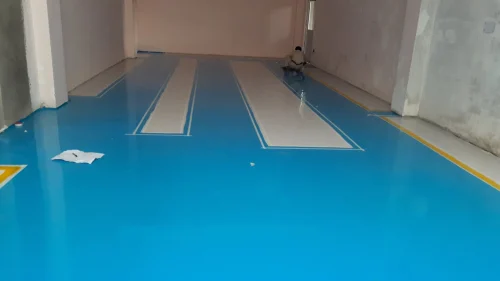
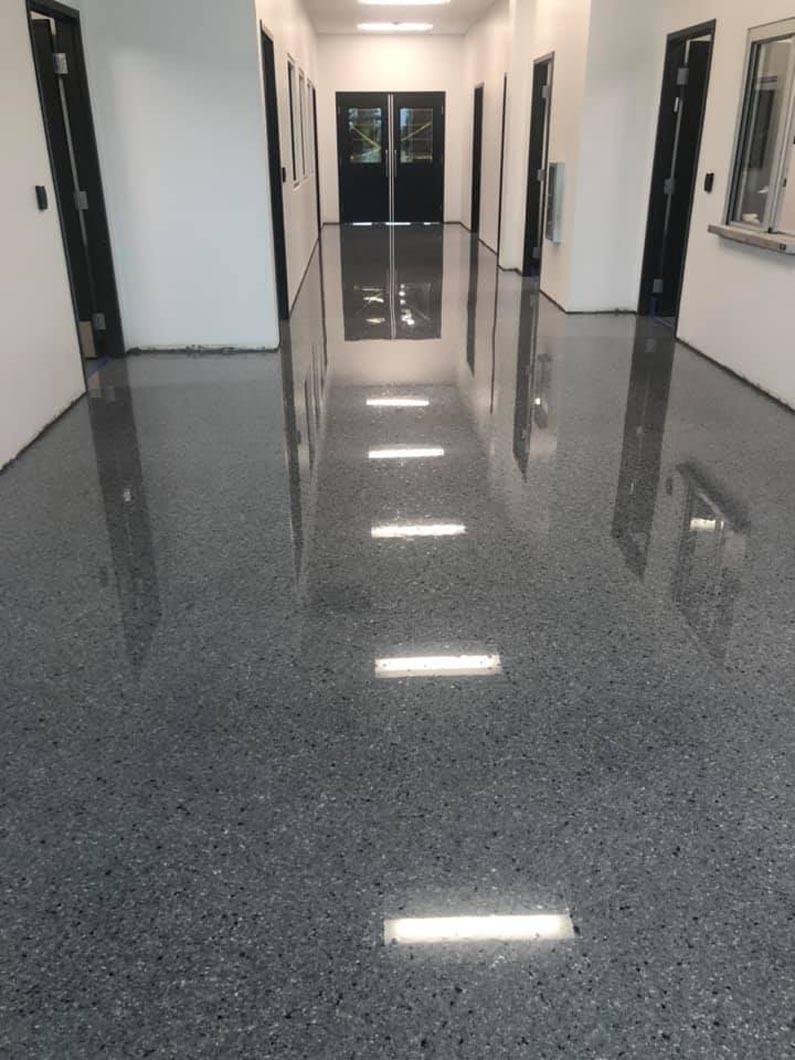
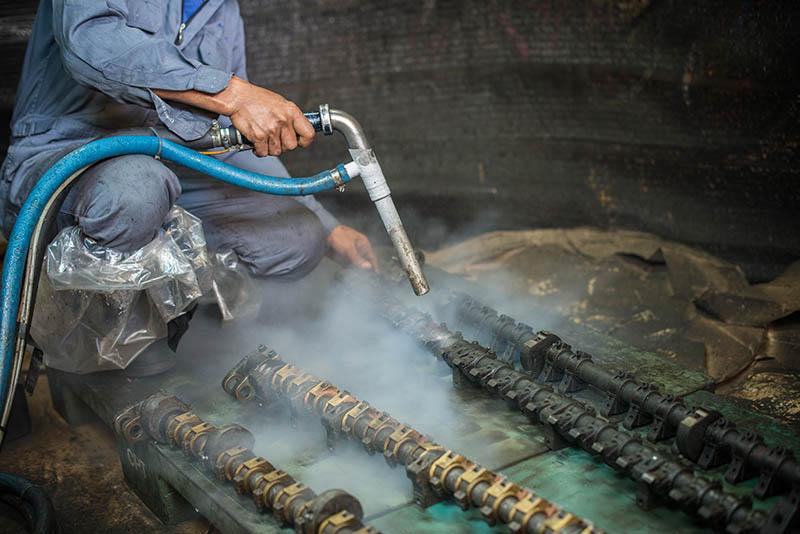
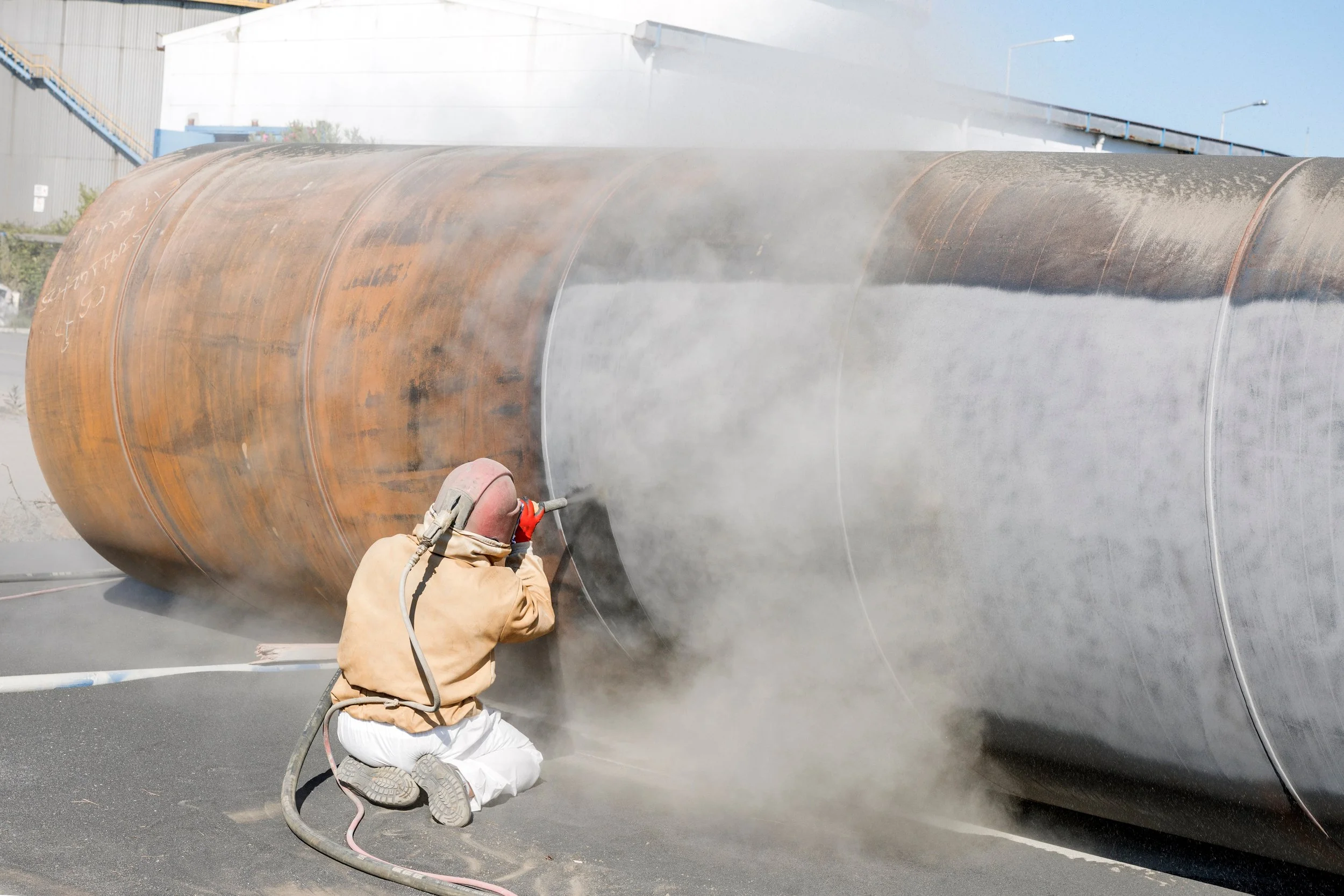
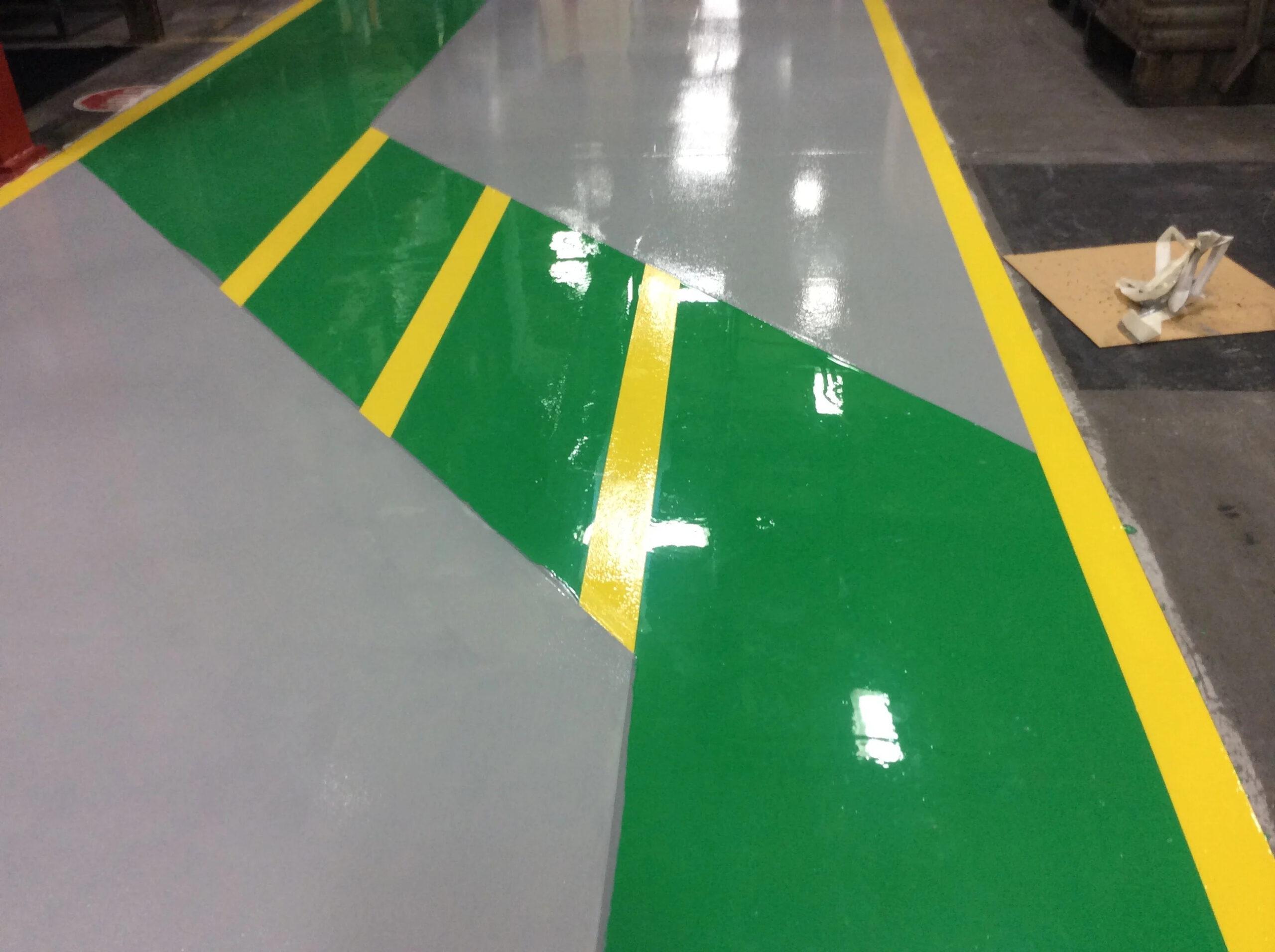
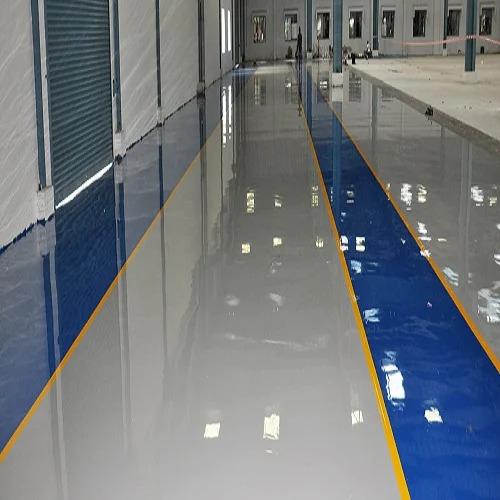
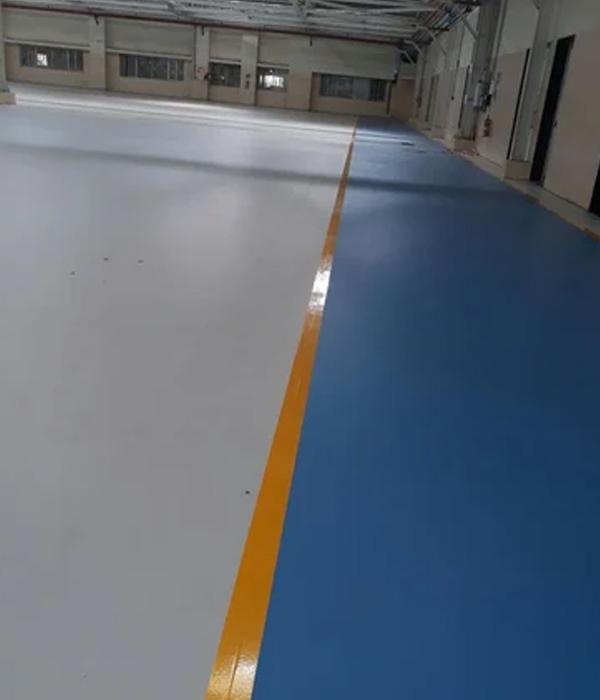

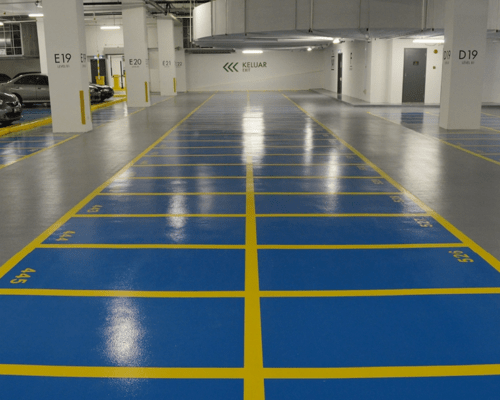
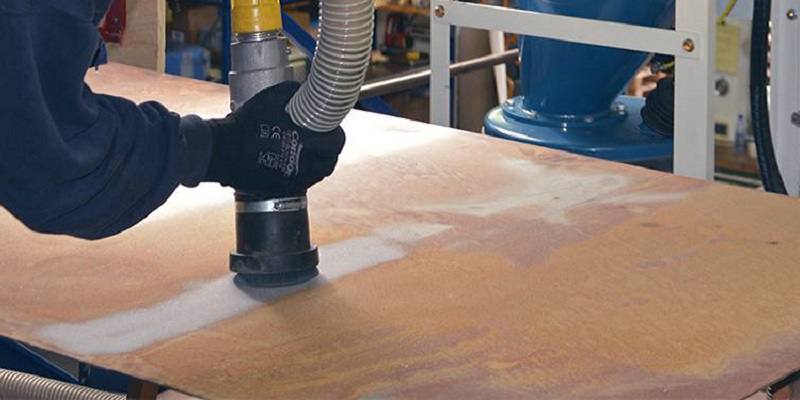
Dust free shot blasting in the Midlands does something that sounds impossible until you’ve watched it: it strips a concrete floor at several hundred square metres a day while the unit next door carries on trading, with no sheeting, no fog of grey dust and nothing settling on stock. The machine is a closed loop. Steel shot is thrown at the slab by a high-speed wheel, bounces off carrying coating and laitance with it, and gets pulled straight back into the machine by a vacuum. A separator drops the reusable shot back into the hopper and sends the dust and debris to a filtered collector. The abrasive does several thousand passes before it’s spent. Nothing escapes at the working face.
That containment is exactly why it’s become the default preparation method on live industrial sites. But it isn’t right for every floor, and the honest position matters here. Soft, gummy coatings smear rather than fracture, and heavily uneven slabs need cutting rather than blasting. Ron checks what’s down and how the concrete responds before committing to a method. Warehouses, production halls and distribution sheds across Westmeath, Offaly and Dublin have been blasted by our crew around live operations, which is why clients keep returning — as our customer testimonials show.
Need a floor prepped without a shutdown? Call Ron on 086 2631652 for a free survey.
This is the assessment that decides whether we bring the machine at all.
Most real jobs use blasting for the bulk and grinding for the detail. That combination is usually the fastest and cheapest route.
The work is quick once running, so the planning is where the value sits.
Ron checks what’s on the floor, how well bonded it is and how hard the concrete beneath is. He scratch-tests the slab and, where the coating is unfamiliar, takes a sample.
He’ll also establish what’s going down afterwards, since the required CSP profile differs between a thin coating, a self-levelling screed and a trowelled system.
You get a written, itemised quote covering blasting, edge grinding, waste disposal and any repairs as separate lines.
We blast a small area first on any floor where behaviour is uncertain. It confirms the shot size, the flow rate, the number of passes and the realistic production rate.
That hour prevents a day of adjusting settings across a floor that was never going to respond well.
The area needs to be empty, swept and dry. Standing water clogs the recovery system and stops the separator working properly.
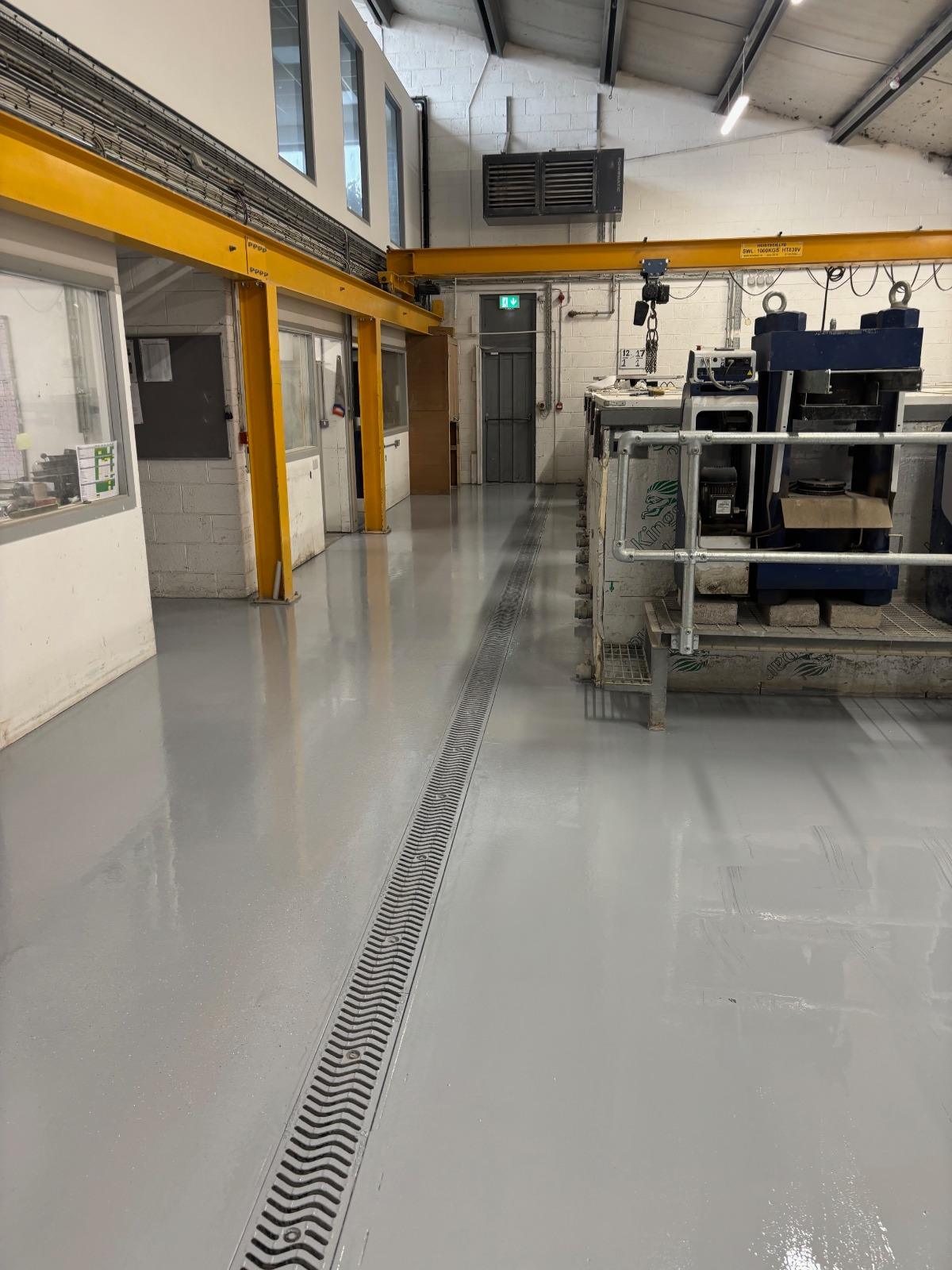
We identify and protect drainage covers, floor sockets, expansion joints with damaged edges and anything else the machine shouldn’t run over.
Heavily soiled or oily floors go through pressure washing first, then dry fully. Blasting through grease pushes it into the pores rather than removing it.
The machine runs in overlapping passes across the floor, with direction alternated between runs so the profile stays even rather than developing tramlines.
Shot flow is adjusted as the slab varies. Concrete is rarely uniform across a large area, so settings that work in one bay may under-cut in the next.
Progress is checked continuously against the target profile, typically CSP 2–3 for coatings and CSP 3–4 for thicker screeds.
Perimeters, column bases, doorways and areas around fixed plant are hand-ground to match, since the machine physically cannot seal there.
This step gets skipped in cheap quotes, and it shows. Untreated laitance at the wall line is exactly where coatings peel first.
Spent shot and removed coating are collected in the dust unit and disposed of correctly. Older coatings occasionally require specific handling, which we establish during the survey.
There are no piles of debris left behind and no sweeping-up job for your team.
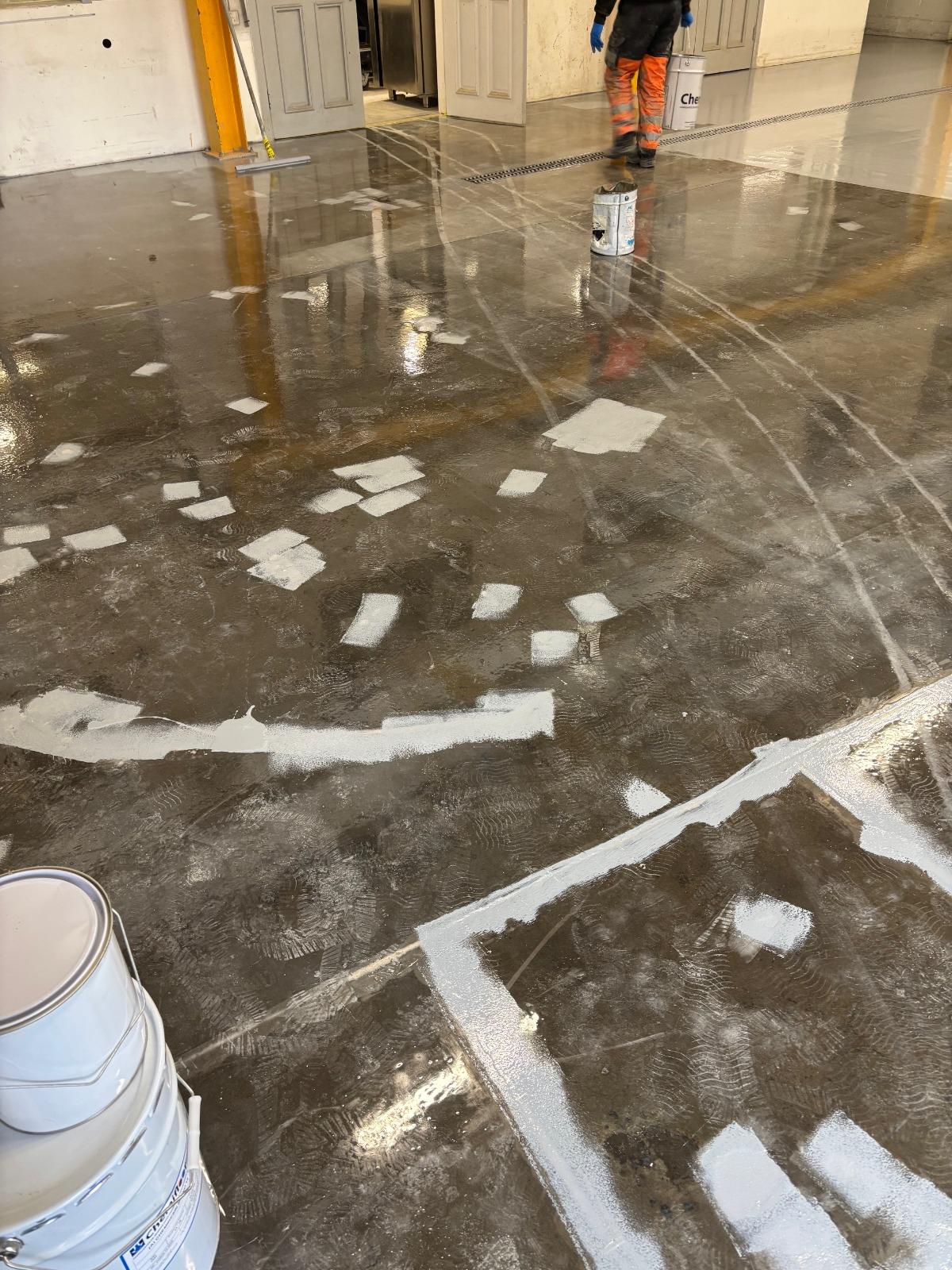
Blasting exposes what the surface was hiding. Cracks, hollow patches and damaged joints all become visible.
Cracks go through floor stitching, broken areas through concrete floor repairs, and perished joints through mastic floor joint repairs. We take moisture readings at this stage too.
A blasted floor is open and picks up contamination quickly, so it should be coated promptly. Where we’re doing both, priming usually follows the same or next day.
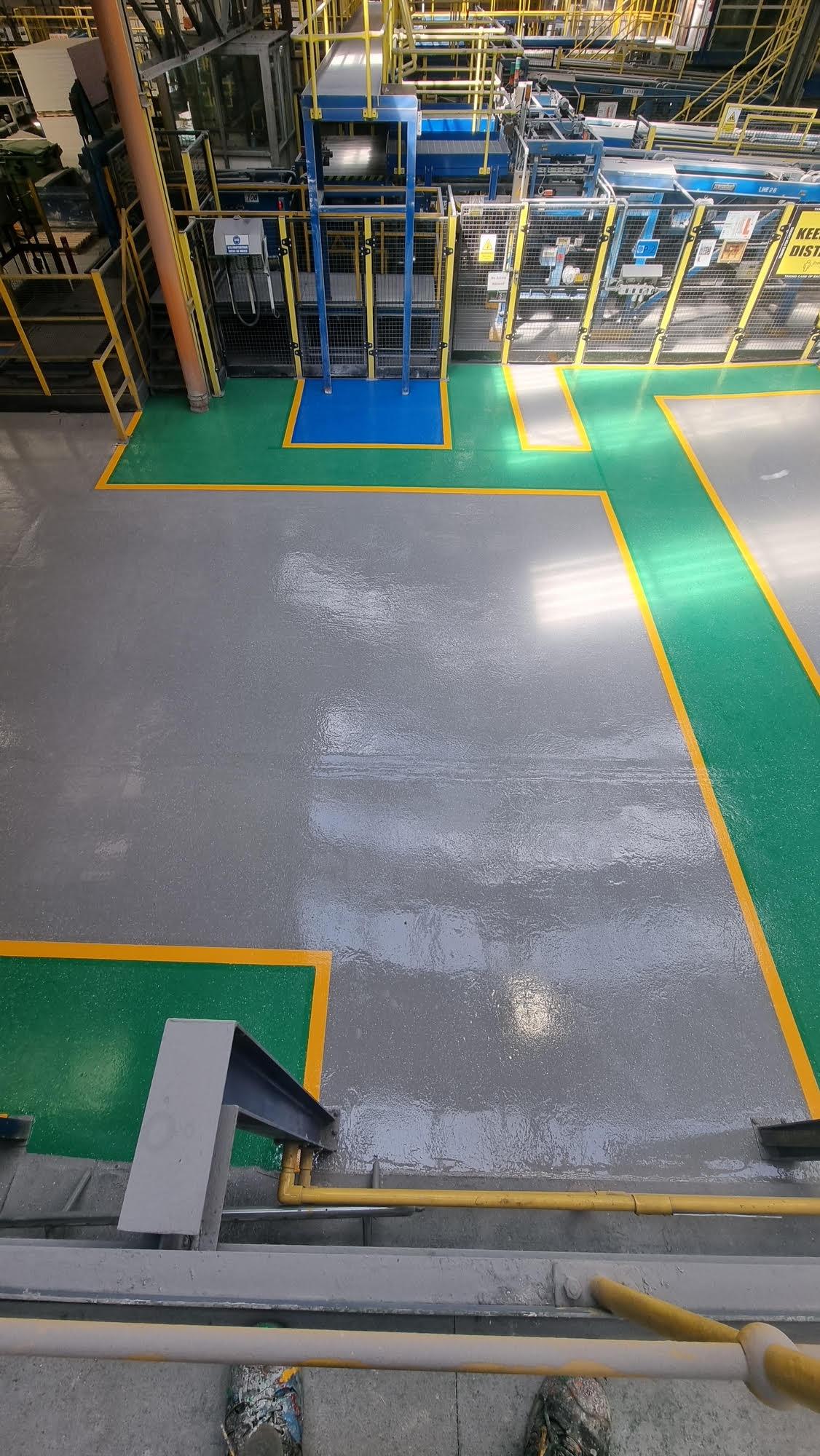
Bare blasted floors take traffic immediately. See our before and after gallery for prepared and finished floors.
The impact texture is exactly what resin systems need. Bond strength on a properly blasted slab is transformed compared with an unprepared one.
Production rates well ahead of grinding on open floors mean shorter site time, less disruption and lower labour cost per square metre.
Closed-loop containment is the whole reason this method exists. Neighbouring areas keep producing, and stock stays clean.
Respirable crystalline silica is a genuine occupational health risk. Capture at the working face is a far better control than sheeting and hoping.
Machine-applied preparation is consistent across the whole floor, which hand methods never quite achieve.
Because the shot is recycled continuously, the only waste is dust and removed coating. Compared with expendable abrasive blasting, that’s a fraction of the disposal.
Coatings, screeds, PVC flooring and densifiers all perform better on a correctly profiled slab.
Large open areas where the machine works at its best. Usually the first stage of a full industrial flooring installation.
Preparation between shifts and around live lines, plus removal of failed coatings and old markings.
Dust containment is what makes preparation viable in these environments at all. Followed by hygiene floor coating or clean room systems.
Fast preparation to fixed handover dates, with adjacent units unaffected.
Removing traffic film and failed deck systems ahead of car park flooring waterproofing.
Stripping contaminated surfaces before oil resistant flooring or industrial floor painting goes down.
Summer and out-of-hours programmes in occupied buildings, where dust simply isn’t an option.
We deliver dust free shot blasting in the Midlands across Athlone, Mullingar, Tullamore, Portlaoise, Longford Town, Birr and Roscommon Town, with full Dublin and nationwide coverage from our Dublin 3 base.
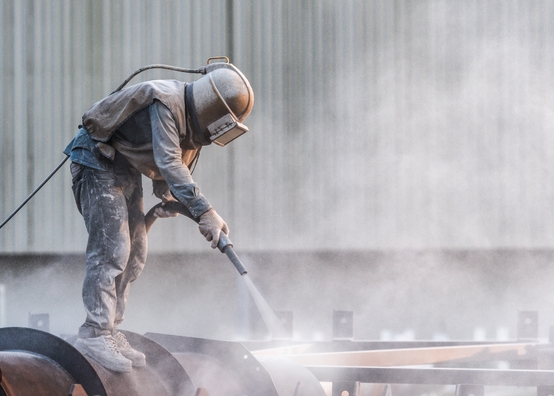
Blasting is one method among several. Levelling, joint lips and heavy cutting run through diamond grinding, while lighter keying is handled by standard floor grinding and our wider floor preparation service. Thick resin systems come off through the epoxy floor removal service, and steelwork or structures are handled separately by mobile sand blasting. Once prepared, floors typically take epoxy flooring, simple dust proofing or protective concrete sealing. Unsure what your slab needs? Book a floor inspection and repair visit.
Preparation is the only stage of a flooring job that can’t be fixed afterwards. Coat a slab that still carries laitance, curing compound or a failed sealer and the new system is bonded to something with almost no strength — it will hold until the first real load, then lift in sheets. Every euro spent on the coating above rests entirely on the few hours spent preparing beneath it. That’s not a detail. It’s the whole job.
Dust free shot blasting in the Midlands, delivered by Ron and the crew, profiles your floor properly while your building keeps working. The survey is free. The quote is written and itemised. Most floors are blasted and ready for coating within days.
Call Ron: 086 2631652 — direct line, straight answers
Call Office: 014800555 — Sun–Fri, 09:30–17:30
Email: info@midlandsfloorpaintingco.ie
Or send your details through our contact page and we’ll come back to you the same working day, with no obligation.
Fill in your details and we'll get back to you within 24 hours.
Our Clients






Case Studies
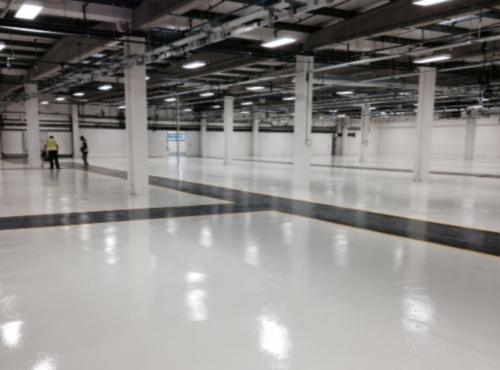
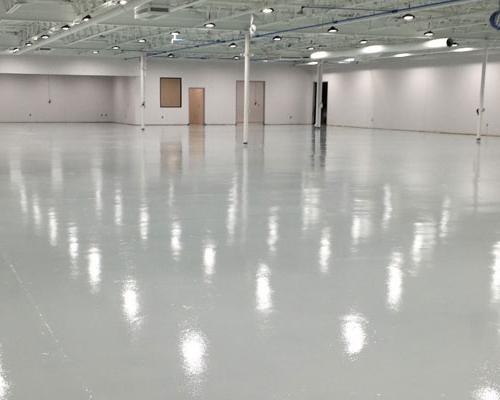
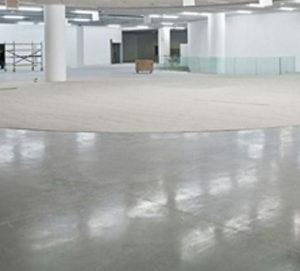
Healthcare Manufacture Plant
Client:
Trulife International
Location:
Airton Rd, Dublin, Ireland
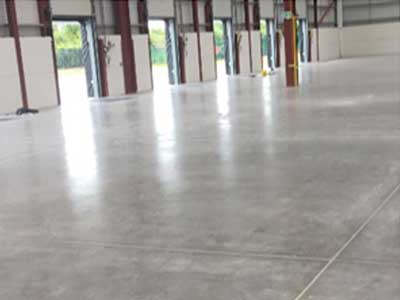
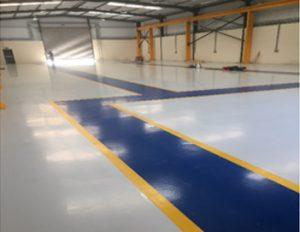
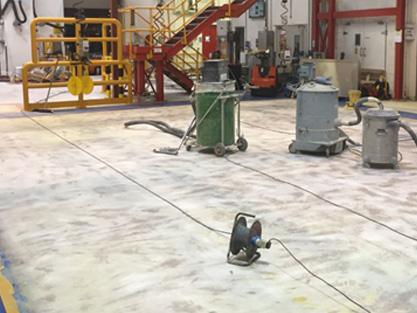
Old Concrete Refurbishment
Client:
Pressco Engineering
Location:
Dublin, Ireland
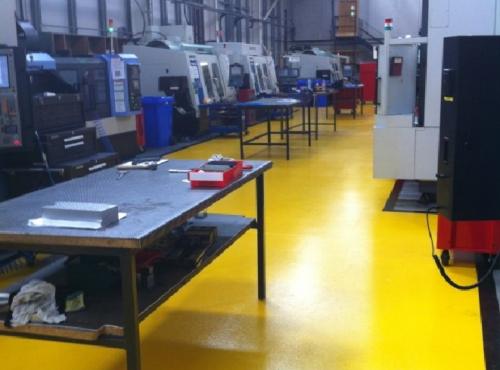
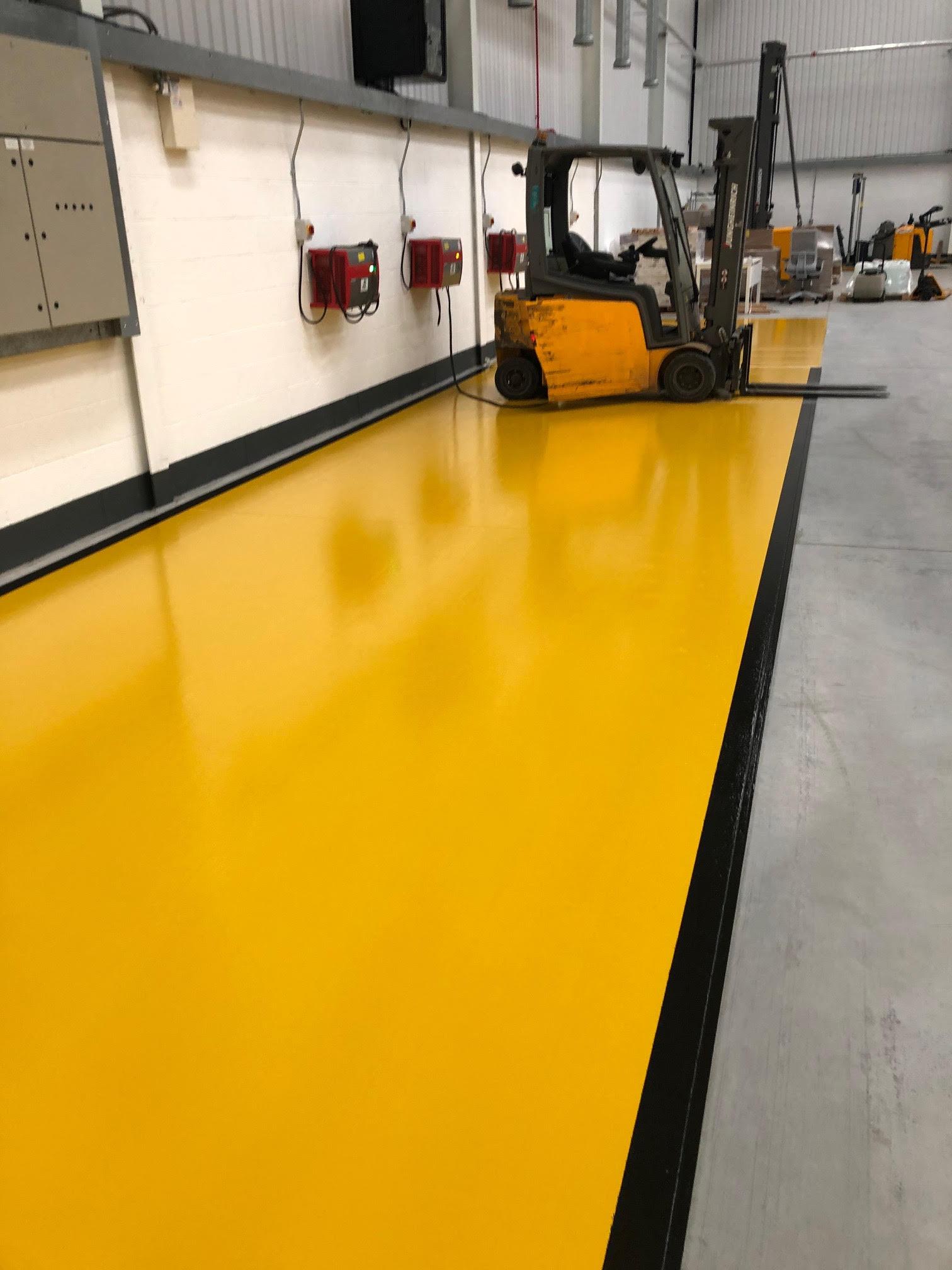
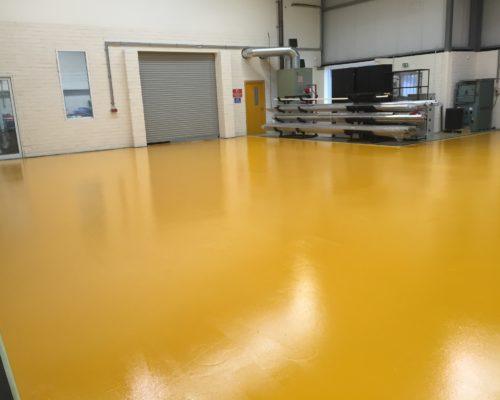
Anti Slip Flooring Installment
Client:
Tech Engineering
Location:
Bray, Ireland
Before & After
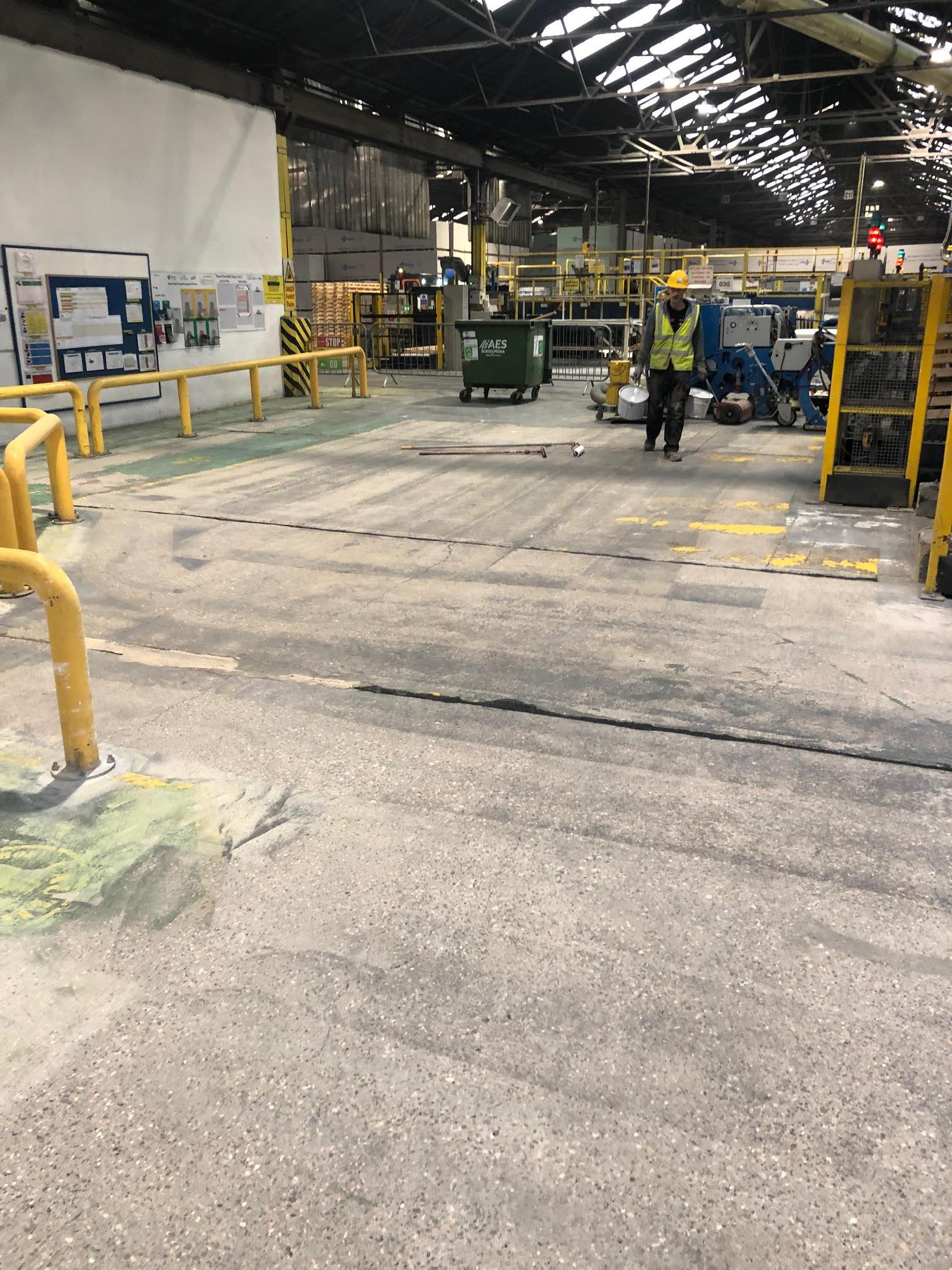
Before
After
Before
After
Call on 0862631652 or Office Tel 01 2314676 Email us on info@midlandsfloorpaintingco.ie