Get a Quote
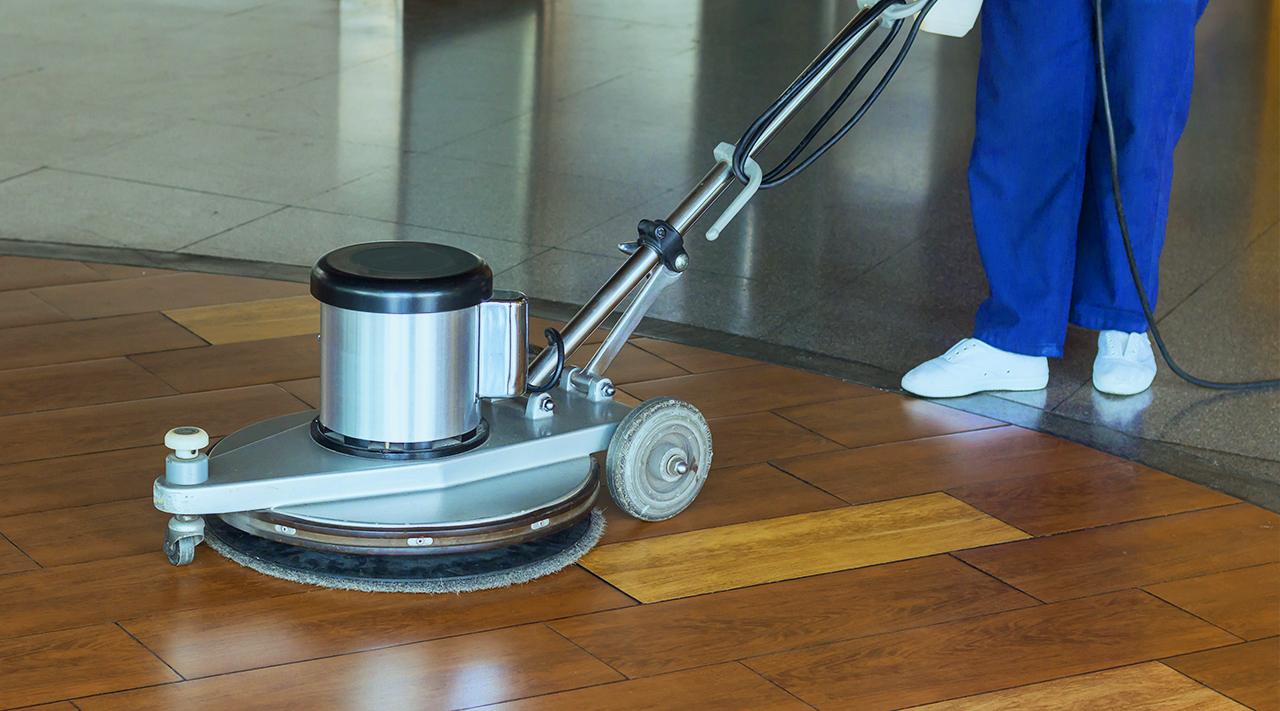
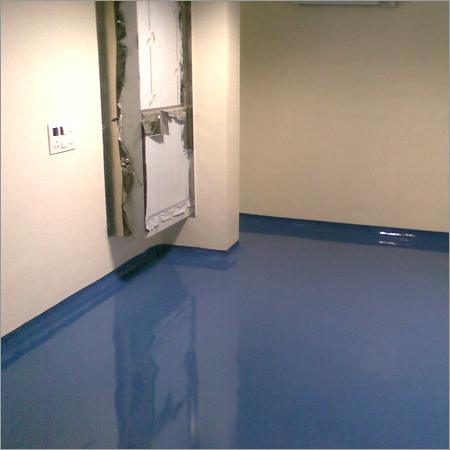
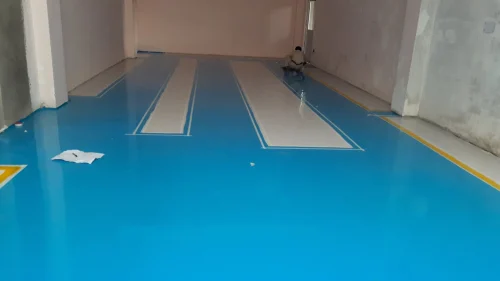
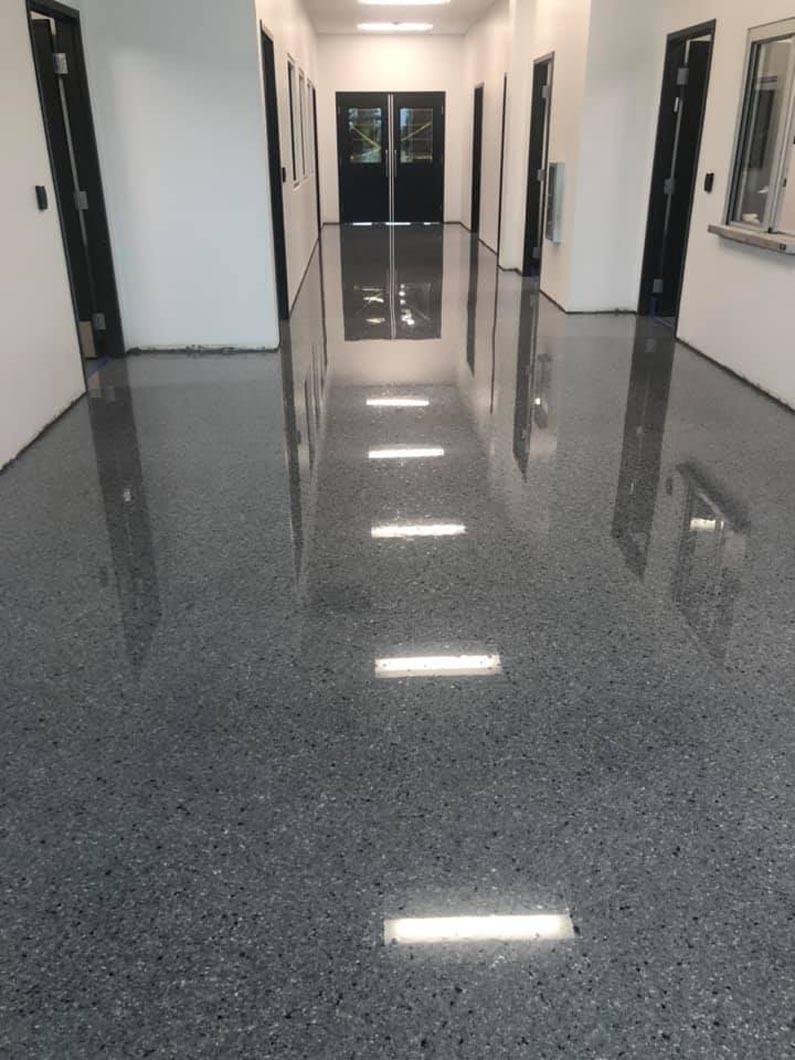
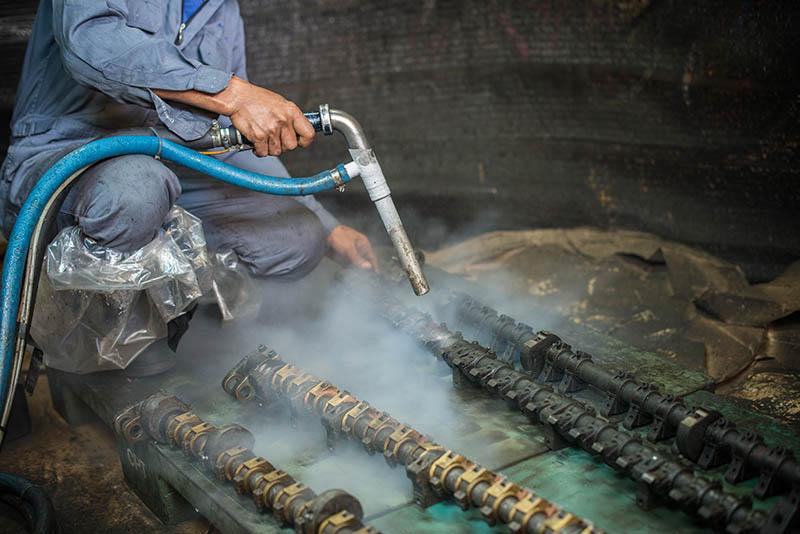
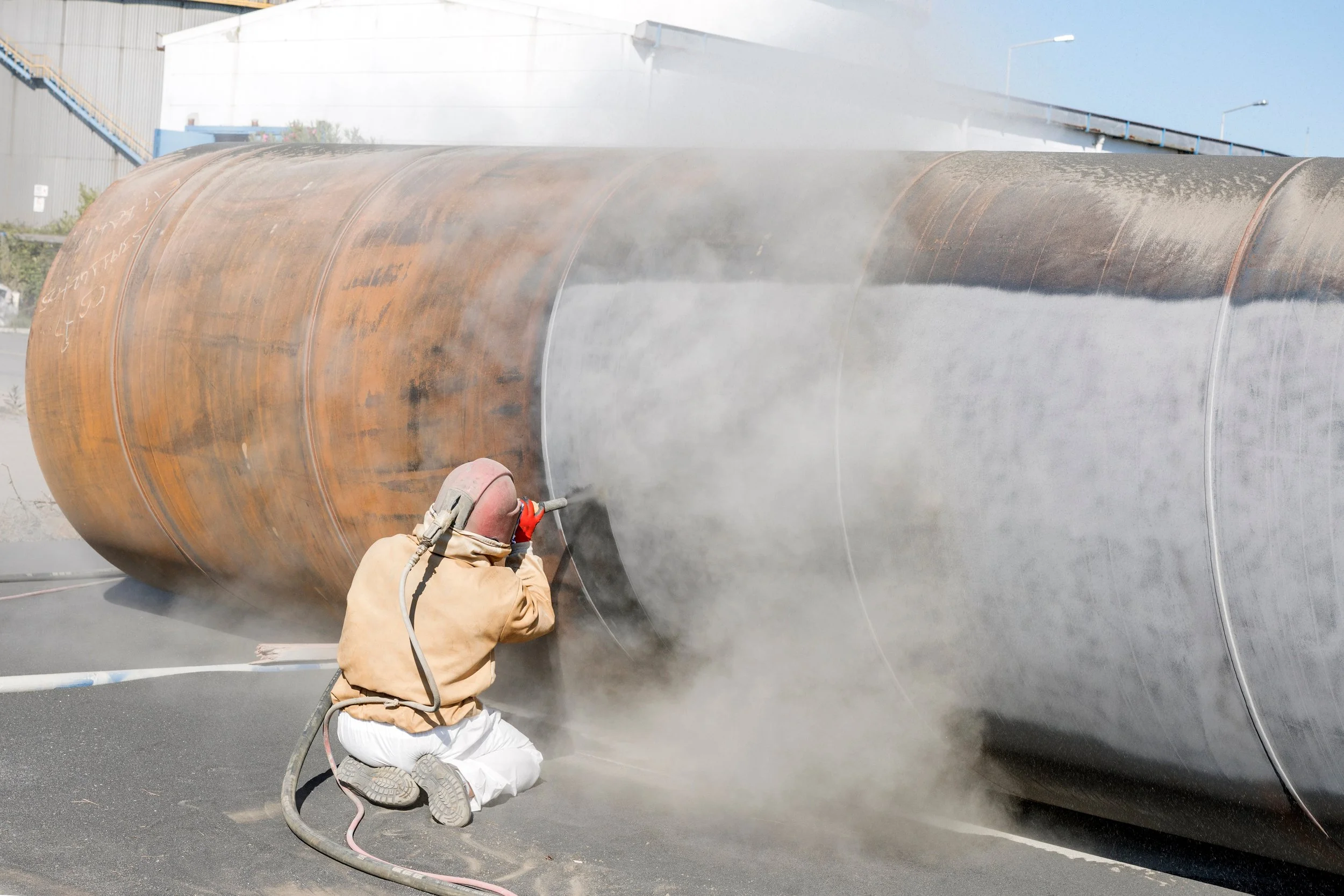
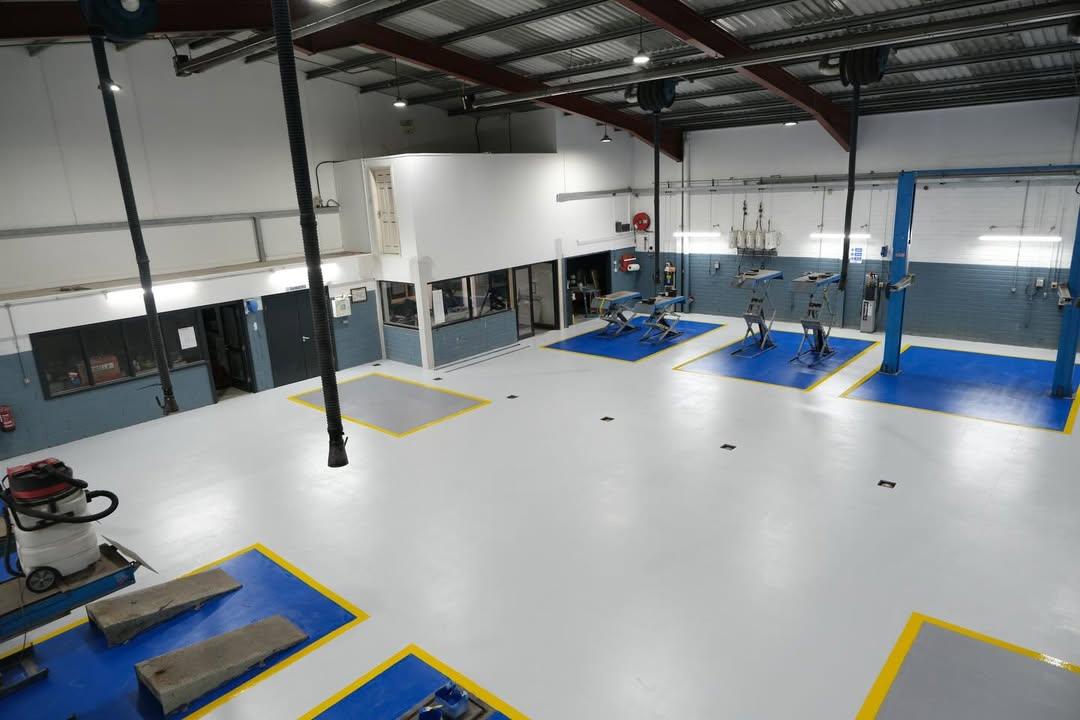
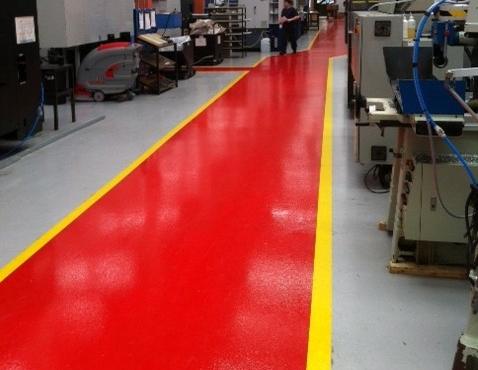
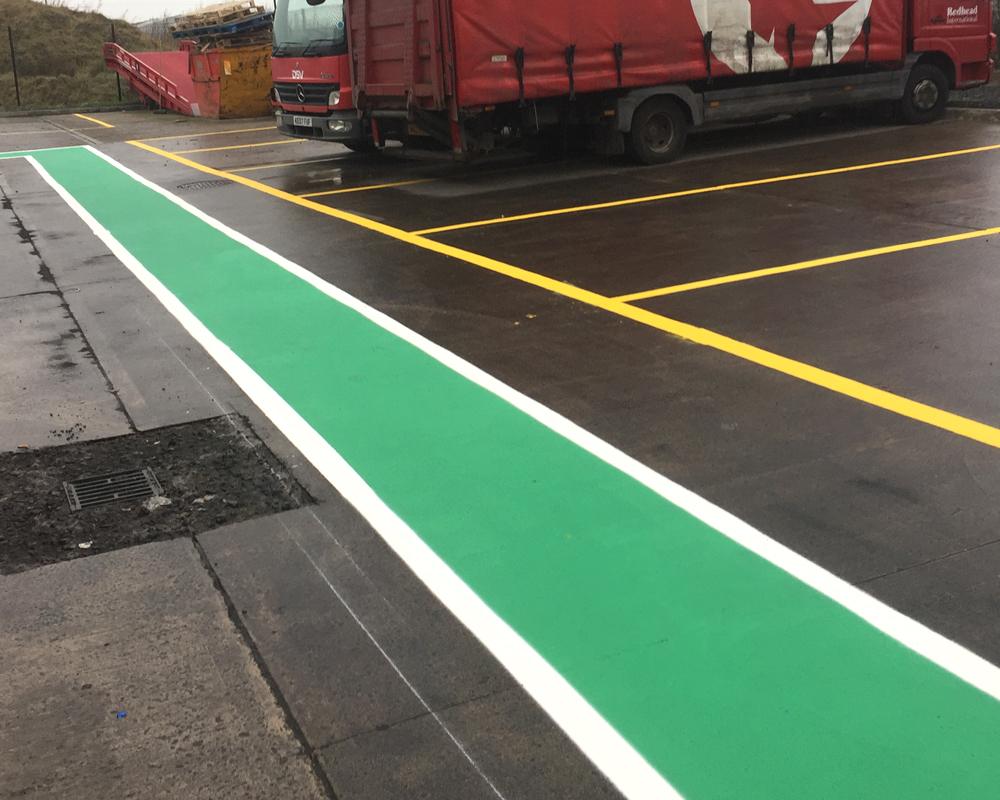

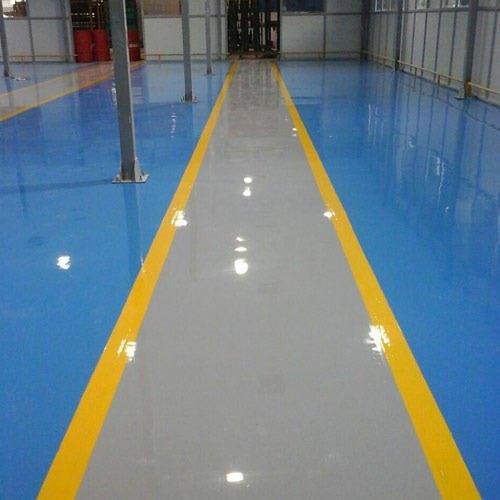
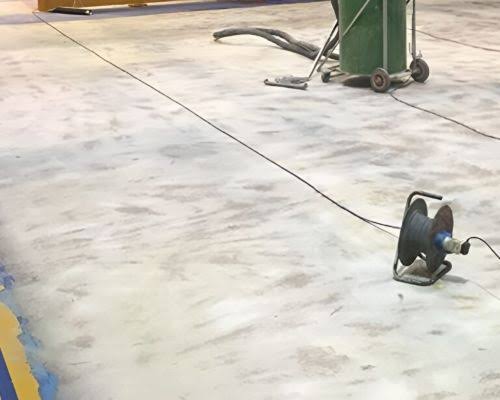
Floor coating removal in the Midlands starts with a question nobody can answer from the doorway: what exactly is on this floor? A warehouse slab that’s changed hands three times might carry a chlorinated rubber paint from the eighties, a polyurethane sealer somebody rolled over it in 2005, patches of tile adhesive from a former office fit-out and forty years of line markings redone in different products. Each of those responds differently to removal. Some shatter under shot blast. Some soften and clog the tooling immediately. Bitumen in particular smears rather than lifts, and if you attack it with the wrong machine you’ll spend a day making the problem worse while ruining a set of diamonds.
So we identify before we remove. Ron takes samples, checks how the material behaves under a test patch, and selects a method that lifts it cleanly without tearing up the concrete underneath. That distinction matters commercially: removal that damages the slab turns a stripping job into a resurfacing job, and the extra cost lands on you. Fit-outs, warehouses and production sites across Westmeath, Offaly and Dublin have been stripped by our crew without that surprise, which is why several clients keep coming back — as our customer testimonials show.
Not sure what’s on your floor or how to get it off? Call Ron on 086 2631652 for a free survey.
The range is wider than most people expect, and each material behaves differently.
Thicker resin systems and epoxy screeds are a different job with different tooling, and they run through our epoxy floor removal service.
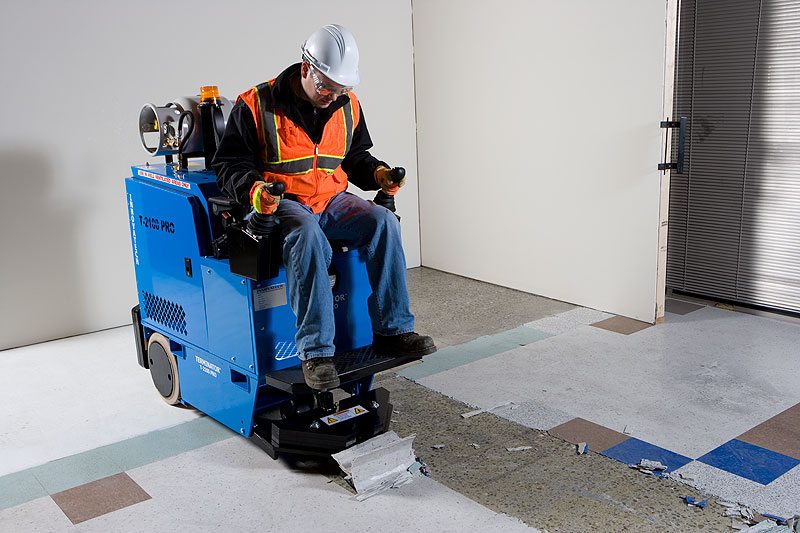
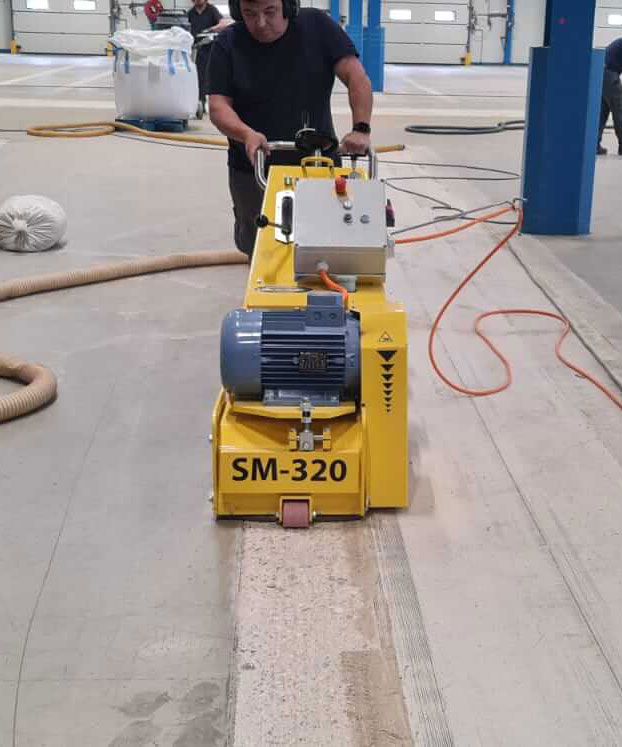
Method selection is where money is saved or wasted.
Method aside, the sequence is what keeps the job predictable.
Ron examines what’s down, takes samples where the material is unclear and checks how well it’s still bonded. Sound coatings are much harder to remove than failing ones, and that difference drives the price.
He’ll also ask what’s going down afterwards, because the required end profile varies between a thin coating, a screed and a tiled finish.
You get a written, itemised quote covering removal, profiling, waste disposal and any repairs as separate lines.
We strip a small area first on any floor where the material is unknown or unusual. This confirms the method, the production rate and how the concrete underneath behaves.
That hour of testing regularly saves days of the wrong approach.
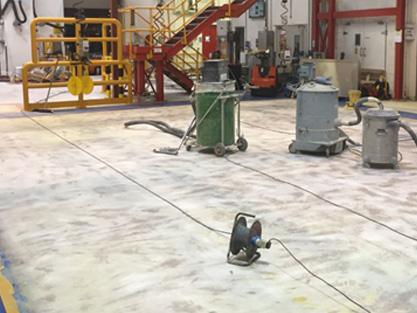
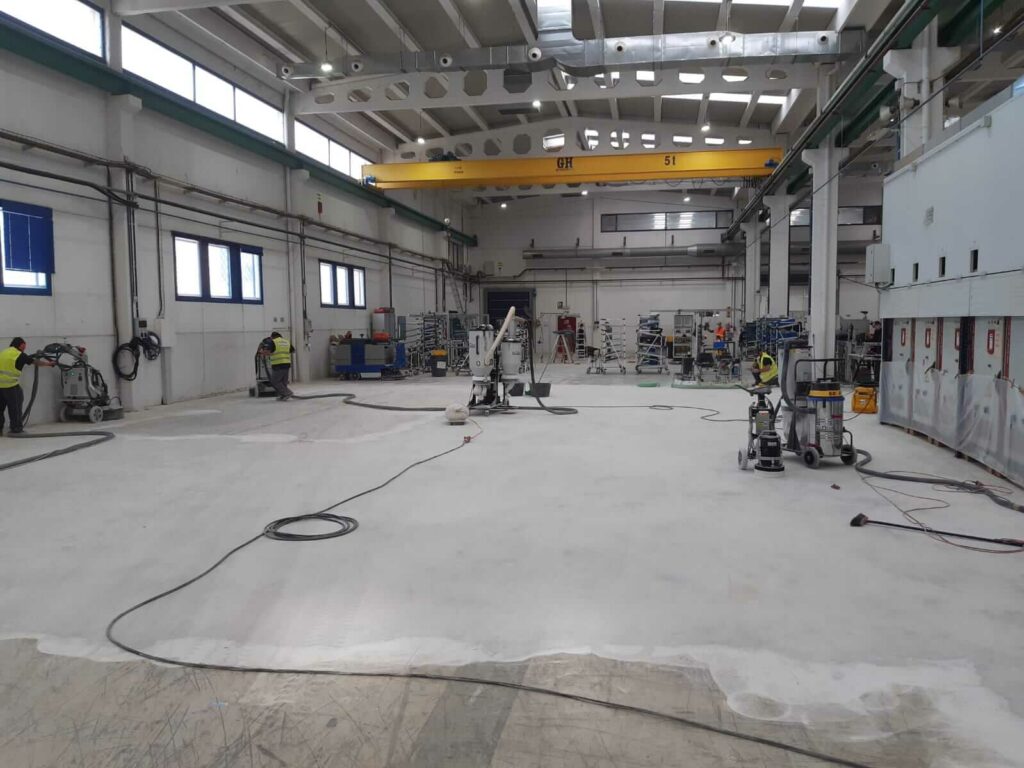
The working zone is screened and extraction is set up before machines start. Everything runs through H-class vacuum units with HEPA filtration.
Concrete and coating dust both carry health risks, and containment is also what allows adjacent areas to keep trading or producing.
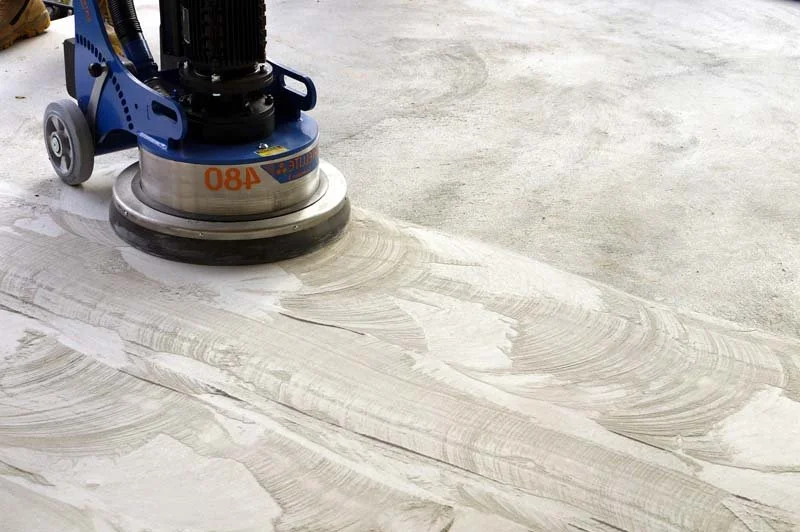
The primary method runs across the main area in overlapping passes, with progress checked continuously.
Floors are rarely uniform. A coating that shatters cleanly in one bay may be twice the thickness in another, so we adjust tooling as we go rather than forcing one setup across everything.
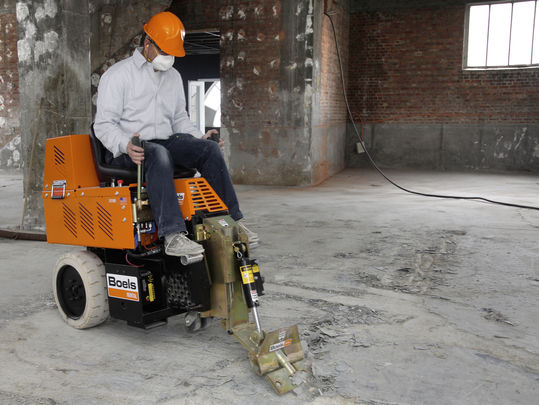
Perimeters, coving, stair nosings and areas around fixed plant are stripped by hand. This work is slow and it’s the part most commonly underestimated in cheap quotes.
Material left at the wall line shows through the new floor as a visible fault, so we don’t leave it.
Once the bulk is off, grinding removes what’s left in the surface pores and opens the concrete to the profile the next system needs — typically CSP 2–3 for coatings.
This step matters most with adhesives and sealers, which penetrate rather than sitting on top. A floor that looks bare can still be contaminated enough to prevent bonding. Our complete floor preparation approach covers it.
Removal exposes whatever the old surface was hiding. Cracks go through floor stitching, broken areas through concrete floor repairs, and perished joints through mastic floor joint repairs.
We take moisture readings at this stage too, since damp under an old sealer is common and it determines what can safely go down next.
Debris is contained and disposed of correctly. Older paints and adhesives occasionally require specific handling, and we establish that before starting rather than afterwards.
The floor is vacuumed and inspected before handover or before new work begins. Our before and after gallery shows stripped floors ready for rebuild.
Removal isn’t the product. A clean, profiled slab that the next system will actually stick to is the product, and residue left behind undermines everything above it.
Controlled stripping takes the coating off without tearing concrete away. That’s the difference between a removal invoice and a resurfacing invoice.
Cracks, damp and hollow areas all surface during removal. Discovering them now is far better than discovering them after a new floor has been laid.
Test patches give a realistic production rate, so the removal stage doesn’t overrun and push everything behind it.
Retail and commercial handovers run to fixed dates. Night and weekend stripping keeps those dates achievable.
Extraction changes the experience entirely. Neighbouring units, offices and production lines generally continue as normal.
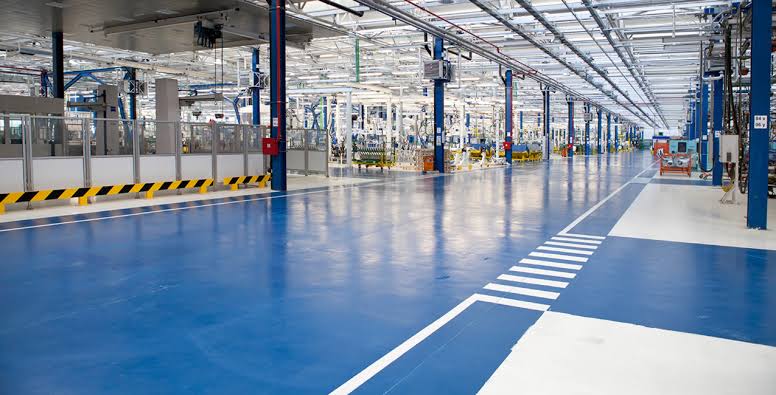
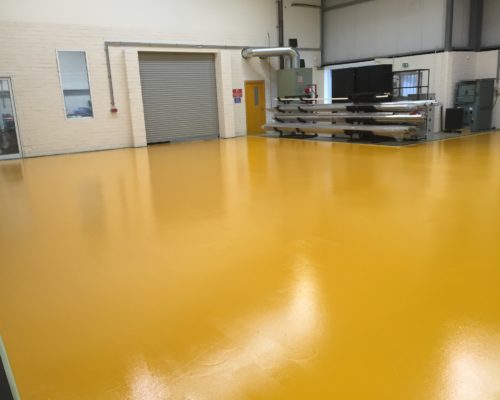
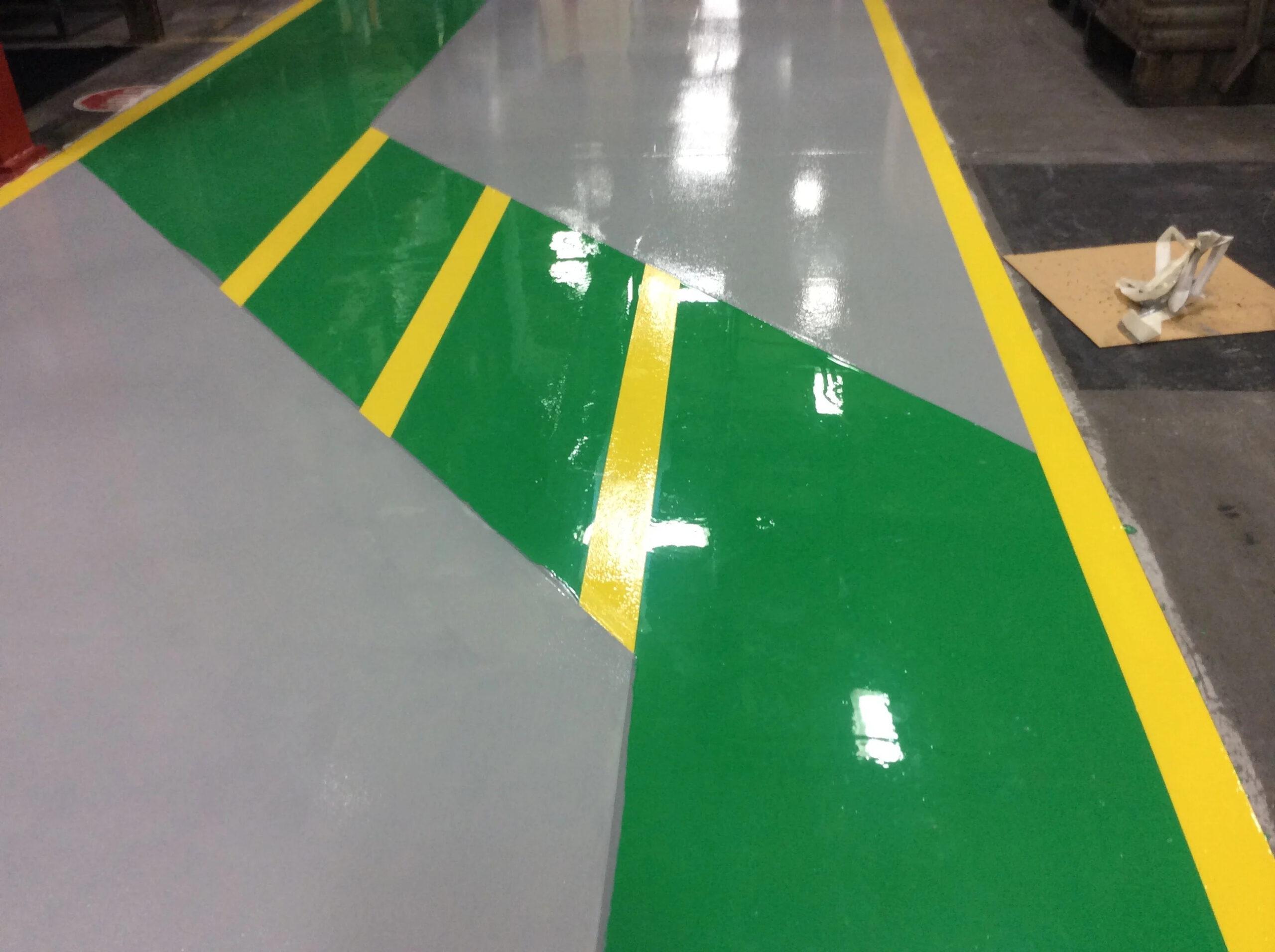
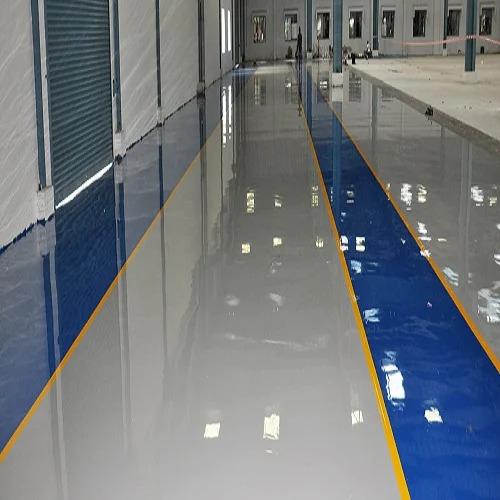
A properly stripped slab will take epoxy flooring, PVC flooring, a polished finish or simple dust proofing, depending on what suits you.
Adhesive and vinyl residue between tenancies, with tight programmes and fixed handover dates. Out-of-hours working is standard.
Old paint systems removed ahead of a heavier industrial flooring build-up, or line markings stripped where a re-rack has changed the layout.
Layered historic coatings around machine bases, plus removal ahead of a properly specified replacement.
Carpet and tile adhesive removal during refurbishment, carried out with extraction that suits occupied buildings.
Summer programmes with hard deadlines. Old court markings and worn coatings stripped before new sports courts line marking is set out.
Flaking paint over oil-contaminated slabs. Removal has to reach sound concrete here, with replacement usually through garage floor painting or oil resistant flooring.
Failed deck coatings and redundant bay markings removed ahead of car park flooring or new traffic line marking.
We deliver floor coating removal in the Midlands across Athlone, Mullingar, Tullamore, Portlaoise, Longford Town, Birr and Roscommon Town, with full Dublin and nationwide coverage from our Dublin 3 base.
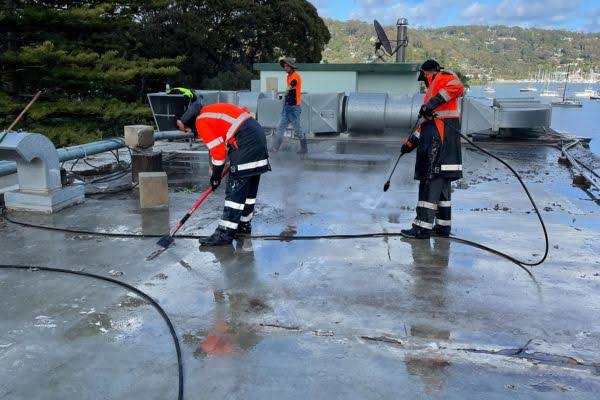
Removal is one stage of a larger job. Thick resin systems and epoxy screeds go through our epoxy floor removal service, while final profiling runs through floor grinding. Heavily soiled slabs usually need pressure washing before stripping starts, and localised deposits sometimes come off faster with mobile sand blasting. Once bare, the slab can take a fresh industrial floor painting finish, be protected with concrete sealing or be brought up as a polished concrete floor. Unsure whether yours needs stripping at all? Book a floor inspection and repair visit.
Old coatings don’t just look tired. They actively block whatever you want to do next, and every year they stay down they get harder to shift and take more concrete with them when they go. Meanwhile flaking paint sheds into product, adhesive residue traps dirt nobody can clean out, and redundant markings confuse the traffic routes your operation actually runs now. It’s a floor working against you rather than for you.
Floor coating removal in the Midlands, delivered by Ron and the crew, starts by identifying what’s actually down there. The survey is free. The quote is written and itemised. Extraction keeps the rest of your building open while we work.
Call Ron: 086 2631652 — direct line, straight answers
Call Office: 014800555 — Sun–Fri, 09:30–17:30
Email: info@midlandsfloorpaintingco.ie
Or send your details through our contact page and we’ll come back to you the same working day, with no obligation.
Fill in your details and we'll get back to you within 24 hours.
Our Clients






Case Studies
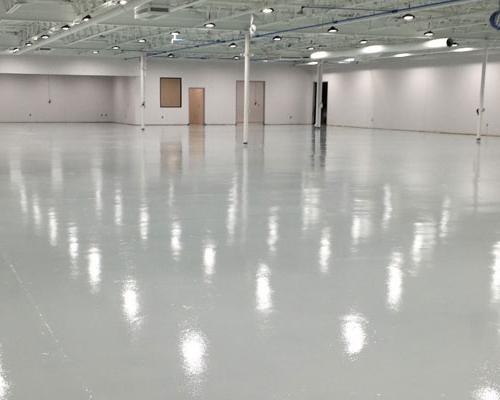
Healthcare Manufacture Plant
Client:
Trulife International
Location:
Airton Rd, Dublin, Ireland
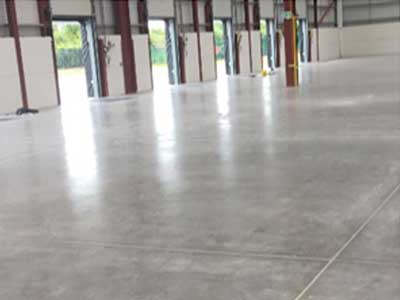
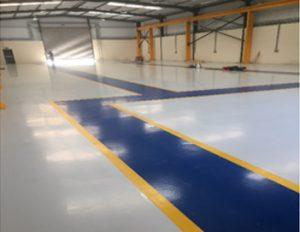
Old Concrete Refurbishment
Client:
Pressco Engineering
Location:
Dublin, Ireland
Anti Slip Flooring Installment
Client:
Tech Engineering
Location:
Bray, Ireland
Before & After
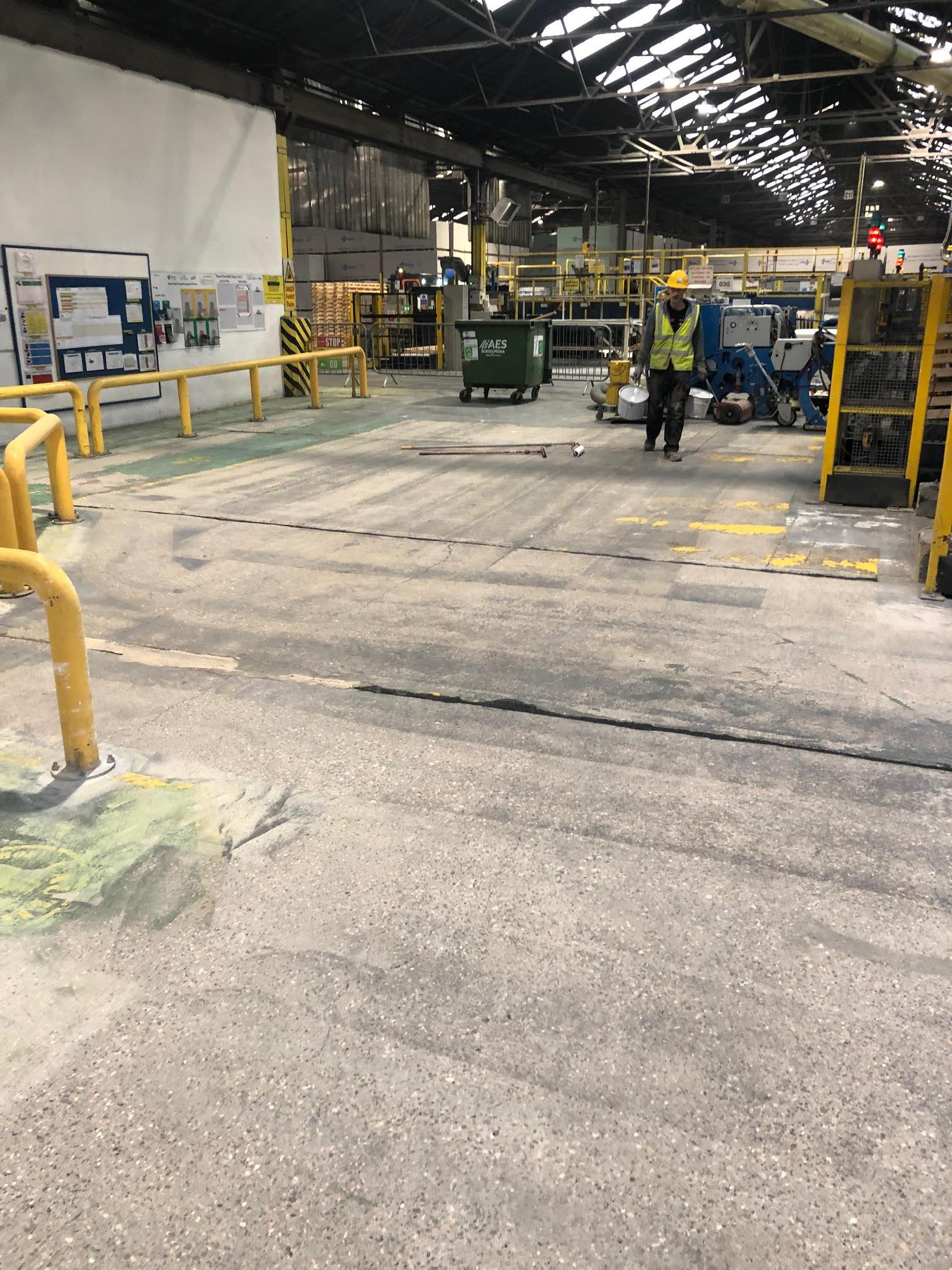
Before
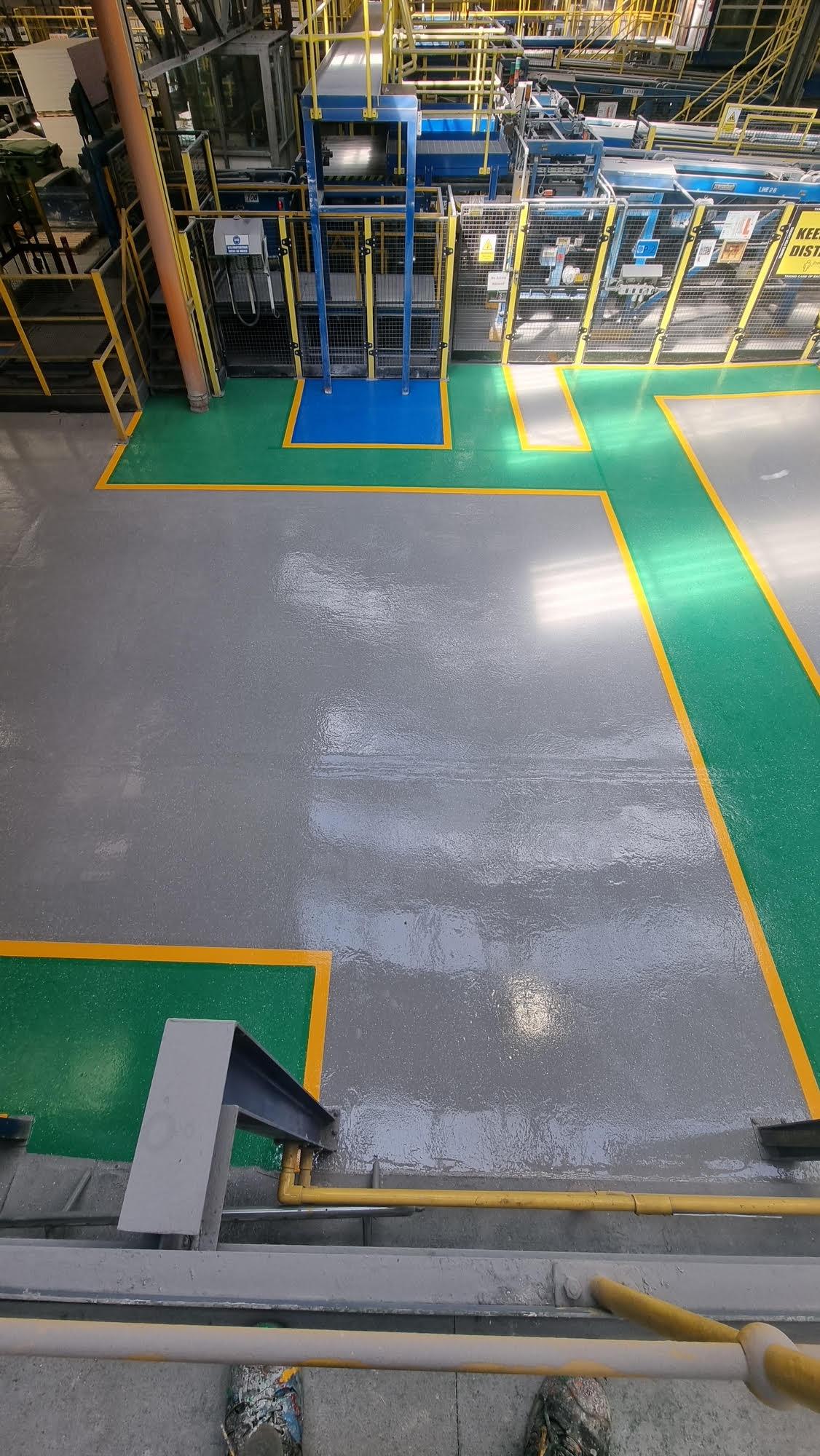
After
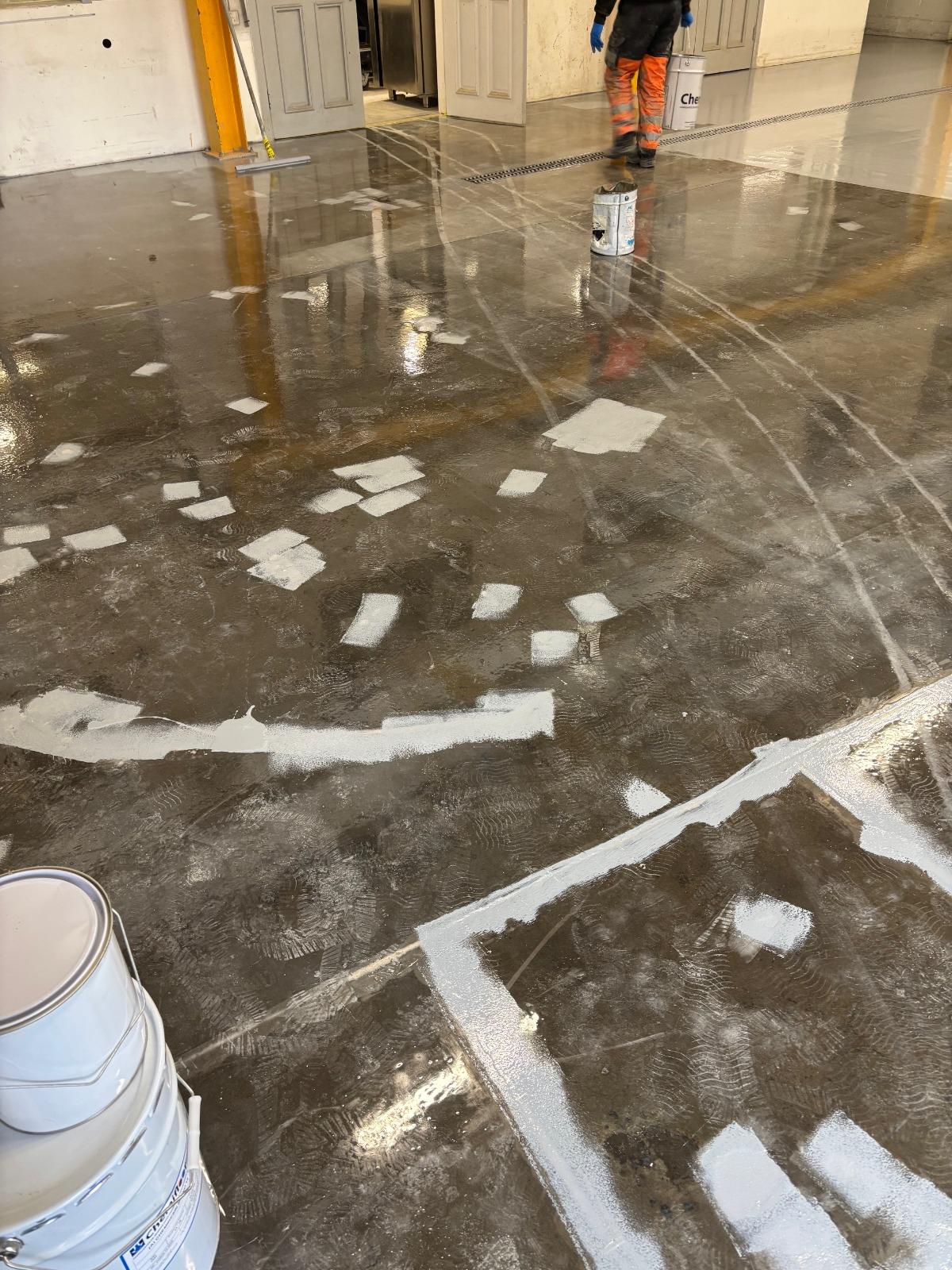
Before
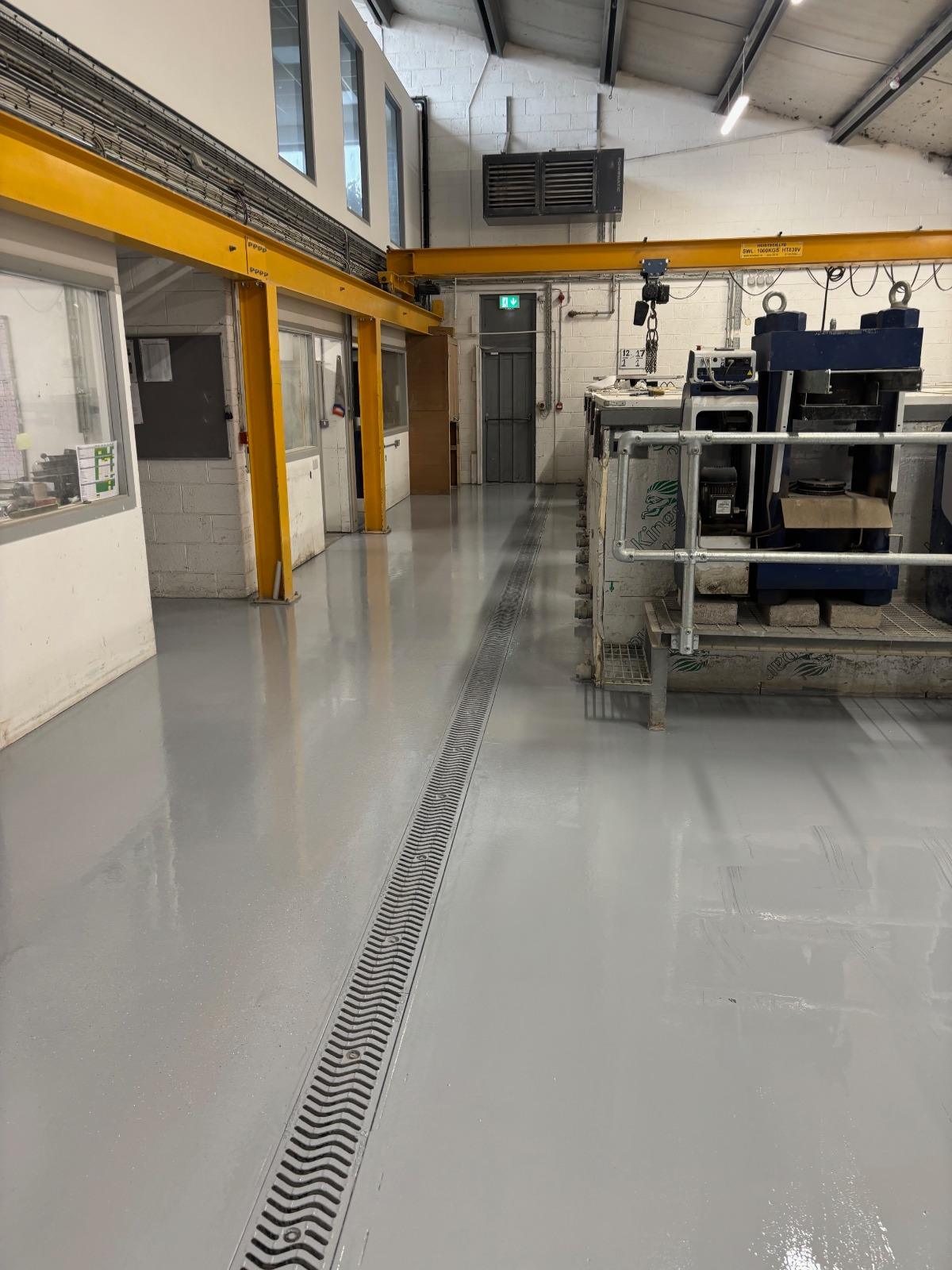
After
Call on 0862631652 or Office Tel 01 2314676 Email us on info@midlandsfloorpaintingco.ie