Get a Quote
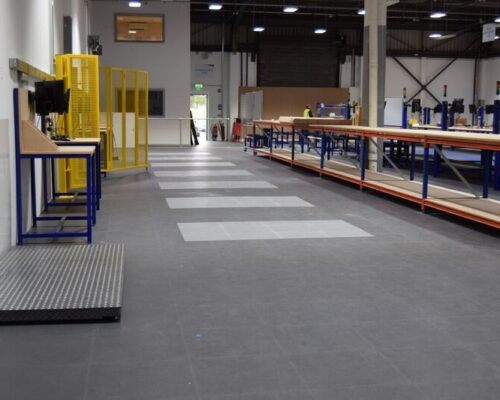
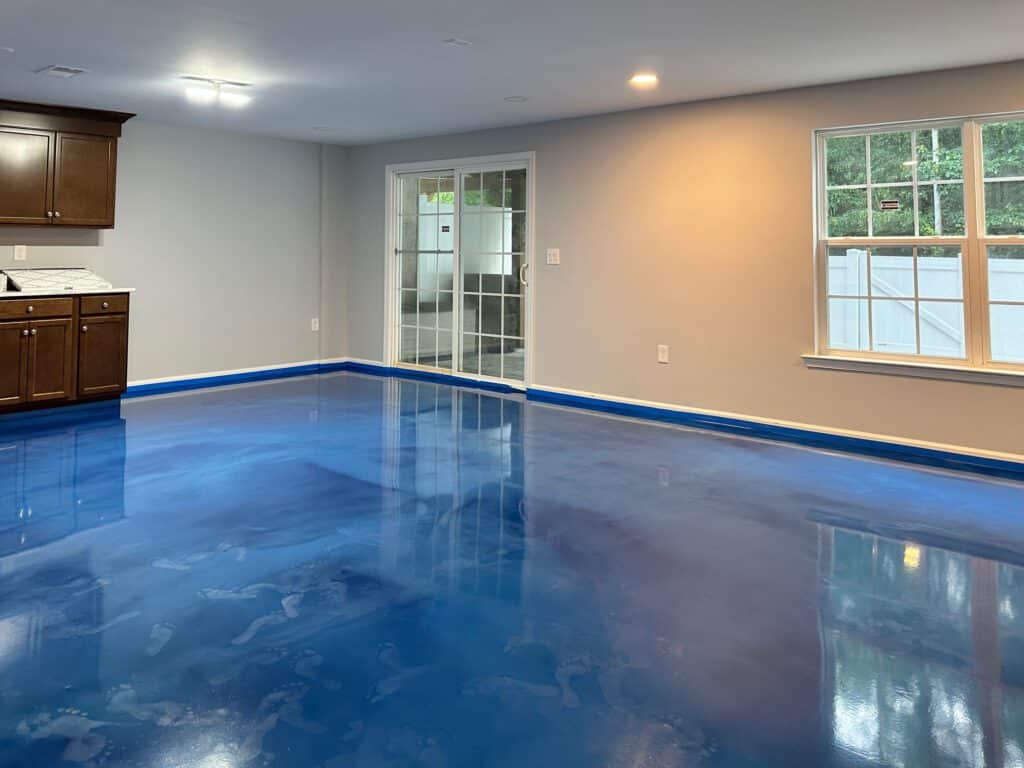
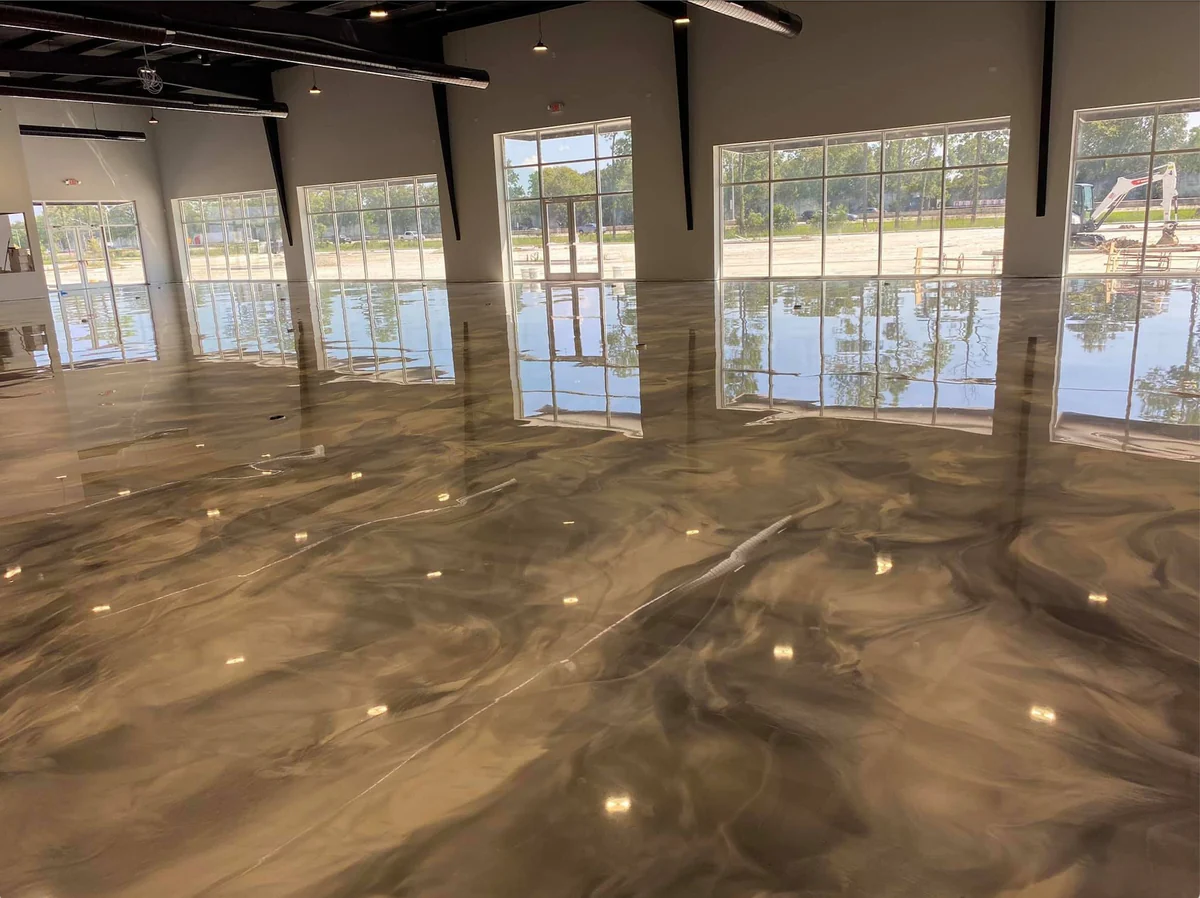
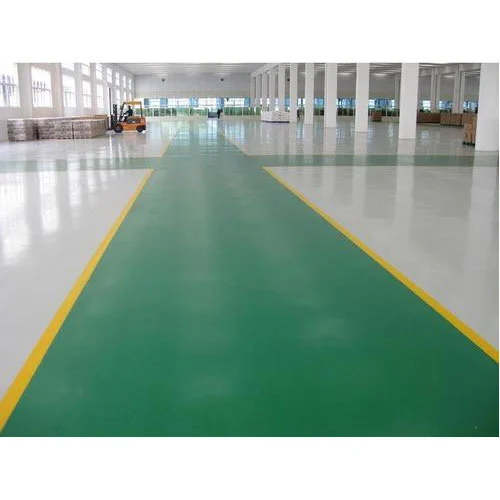
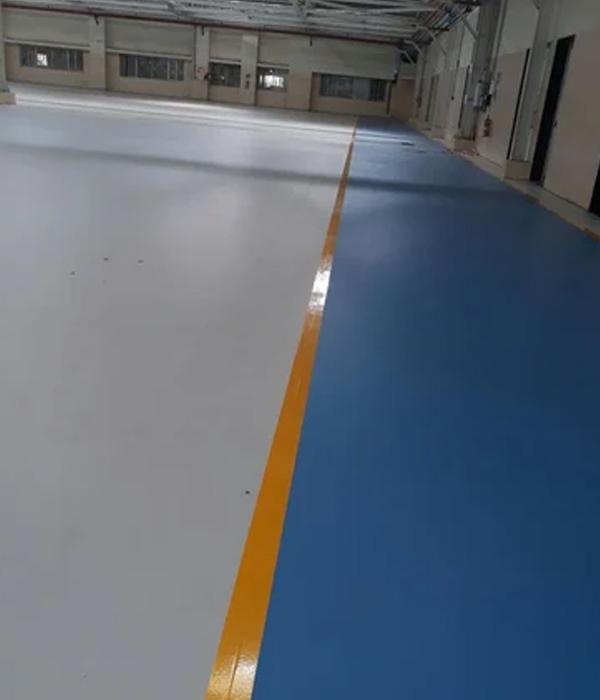
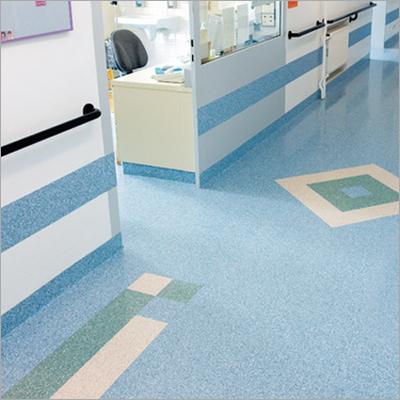
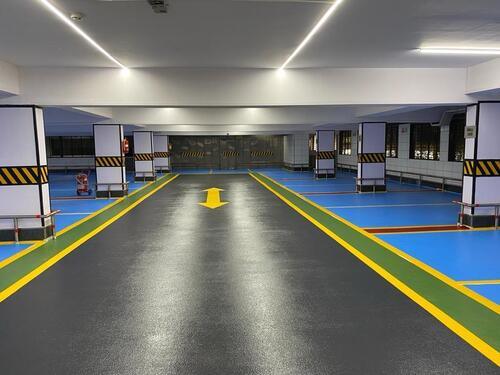
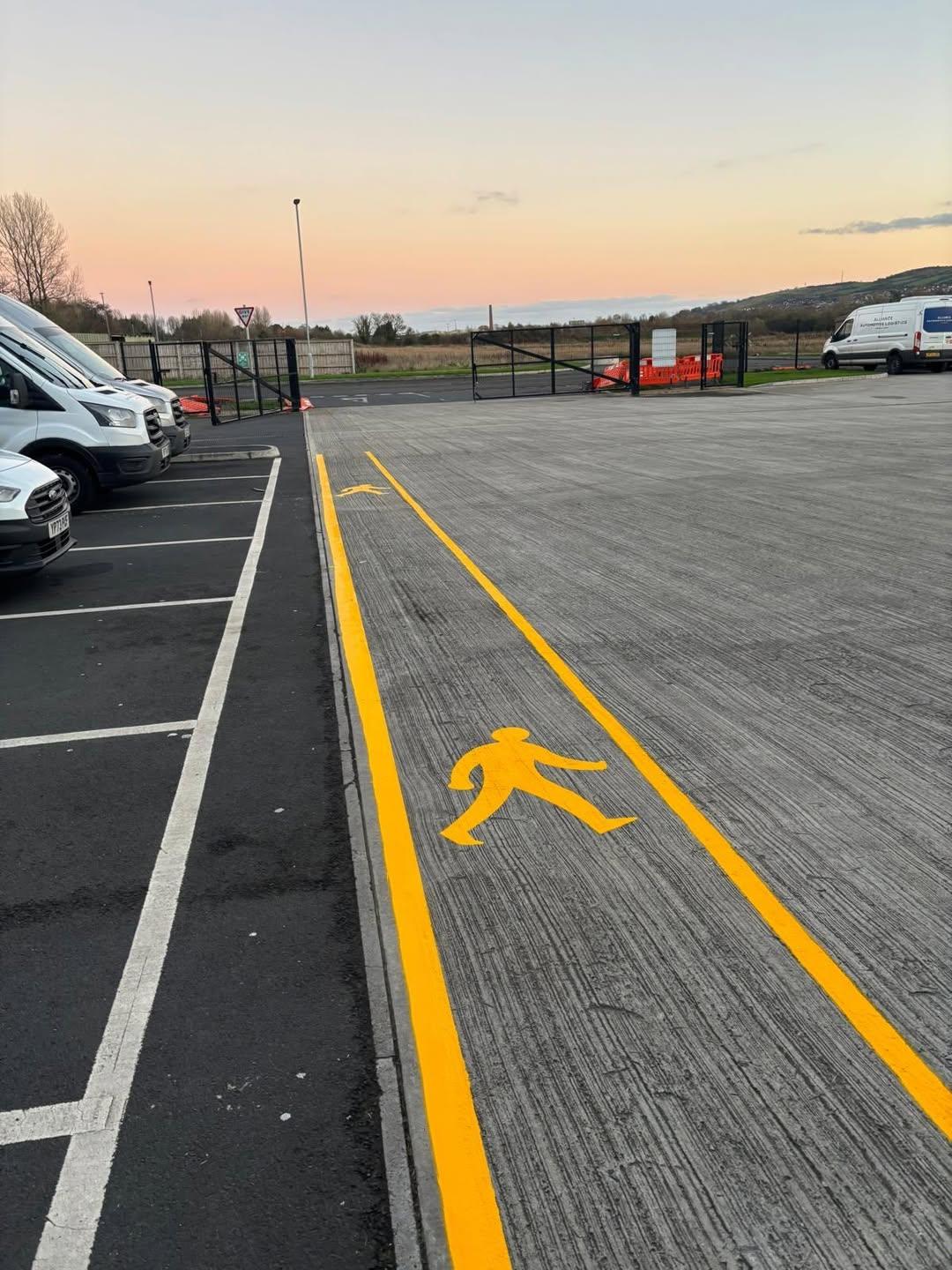
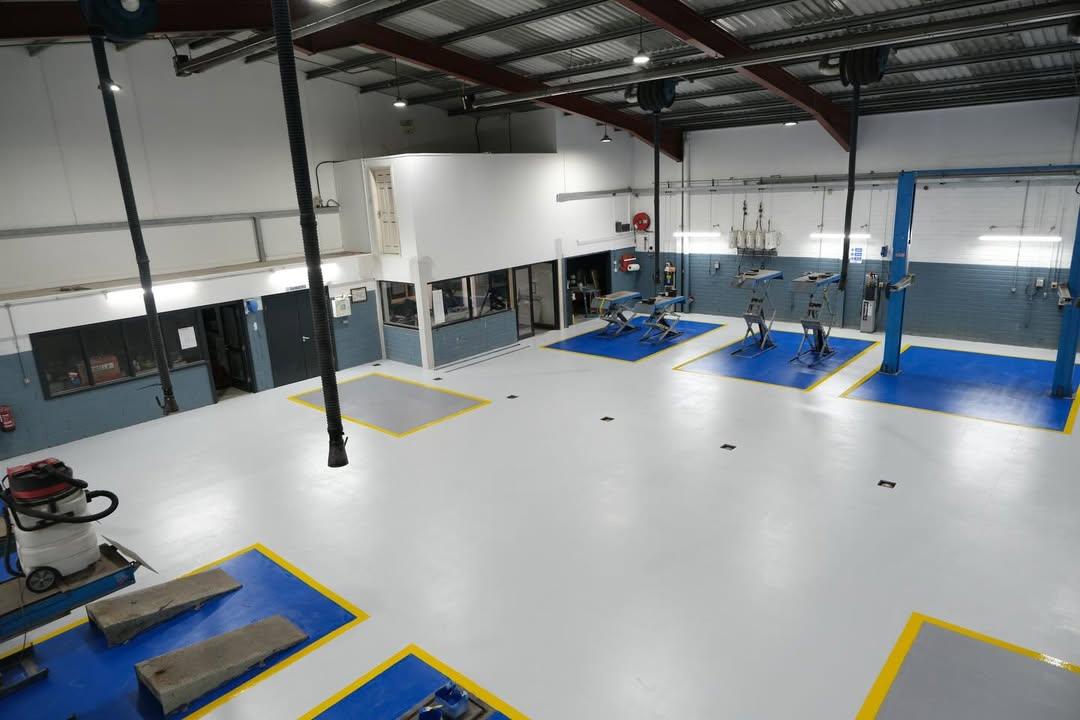
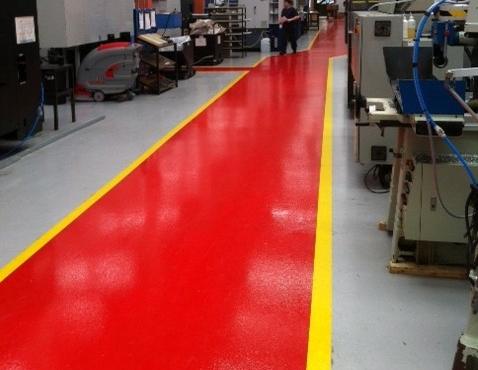
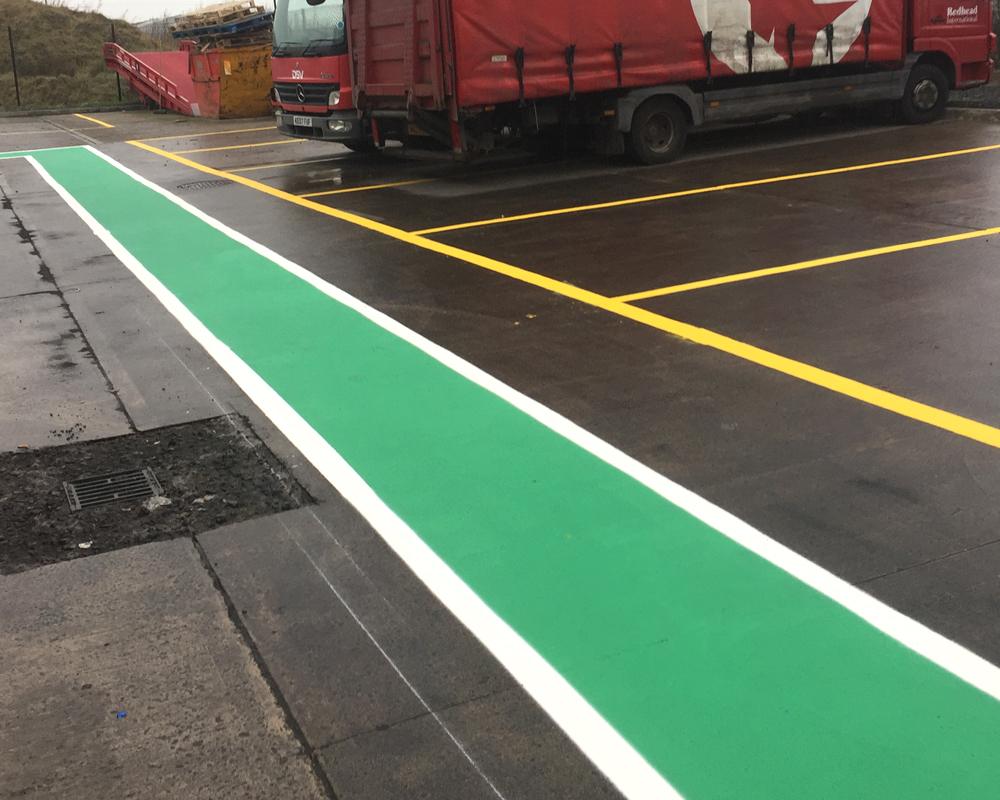

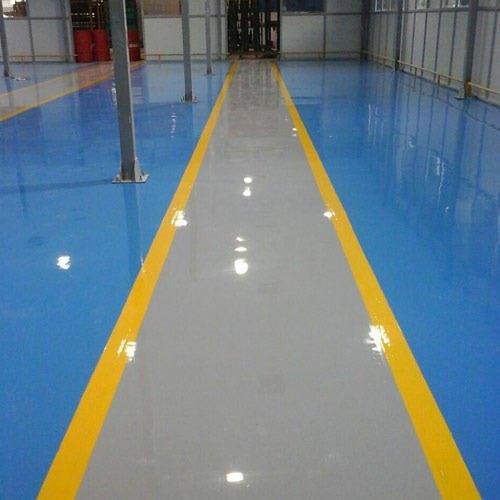
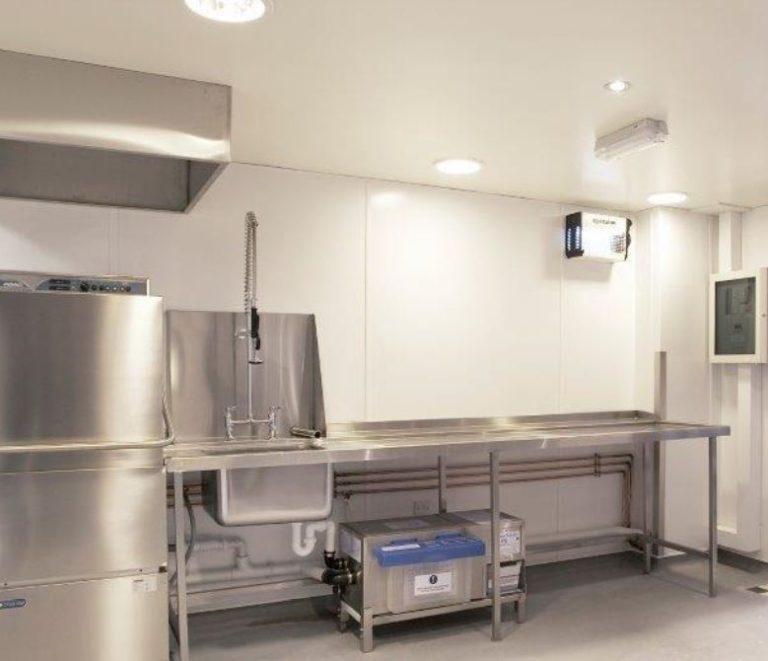
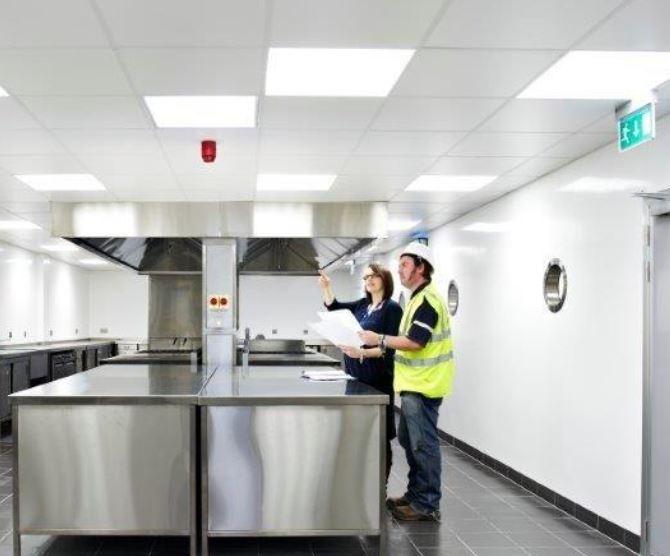
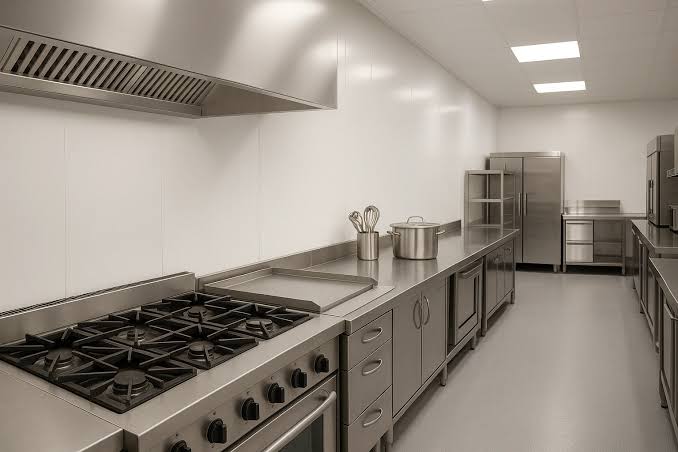
Hygienic wall cladding in the Midlands gets specified for the wrong reason about half the time. Clients ask for it because the walls look tired. Auditors, though, aren’t looking at the panels at all — they’re looking at the junction where wall meets floor, at the silicone around a pipe penetration, at the internal corner behind a mixing vessel. That’s where product residue collects, where moisture sits, and where a swab test comes back positive. Perfect panels with a badly detailed floor junction will fail an inspection. Sound panels with proper coved detailing will pass one comfortably. The cladding itself is the easy part.
We treat it as a continuous envelope rather than a wall covering. Because we install the floor as well, the coving, the junction and the transition all get detailed as one system instead of two trades pointing at each other afterwards. Ron surveys the space, works out where moisture and residue actually collect, and specifies panel thickness, jointing and coving to suit. Food producers, kitchens and processing sites across Westmeath, Offaly and Dublin have had that approach from us, and several come back whenever they extend or refit — as our customer testimonials show.
Facing an audit or planning a fit-out? Call Ron on 086 2631652 for a free site survey.
The findings are predictable, and nearly all of them are detailing problems rather than material problems.
Fix the junctions and the penetrations and the rest of the wall largely takes care of itself.
Material choice depends on impact exposure, temperature and what your auditor expects.
Sequencing with the floor is what makes the junction work.
Ron walks the space with you, notes the standards you’re audited against and identifies where impact, heat and moisture actually occur. He’ll also check the substrate, since panels need a sound, flat, dry background.
You get a written, itemised quote covering preparation, panels, trims, coving and sealing as separate lines.
Walls have to be flat and dry. Undulation telegraphs through thin sheet and looks poor, while damp behind a panel becomes a hidden problem.
Loose paint and old tiling are removed. Uneven blockwork is made good. Where the wall is damp, we establish why before covering it, because cladding a damp wall traps the moisture rather than solving it.
This is where the value sits. Where we’re also installing the floor, we sequence the two so the coving forms a continuous, sealed junction.
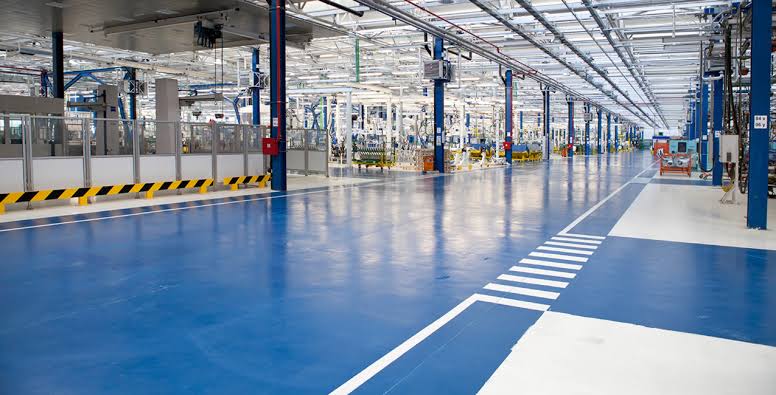
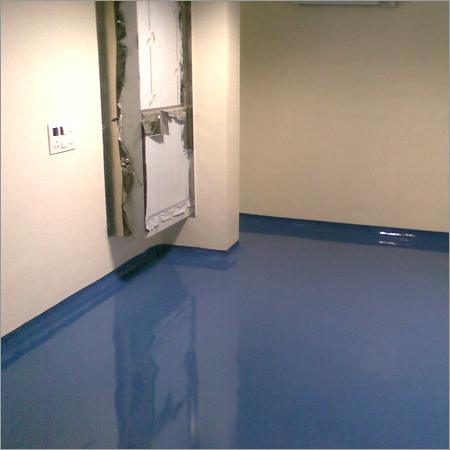
Floor systems are carried up the wall to form the cove, then the cladding laps over it. That overlap means water running down the wall lands on the floor system rather than behind it. Our hygiene floor coating systems are designed to work exactly this way.
Where you already have a floor, we form coving separately and detail the junction to suit what’s there.
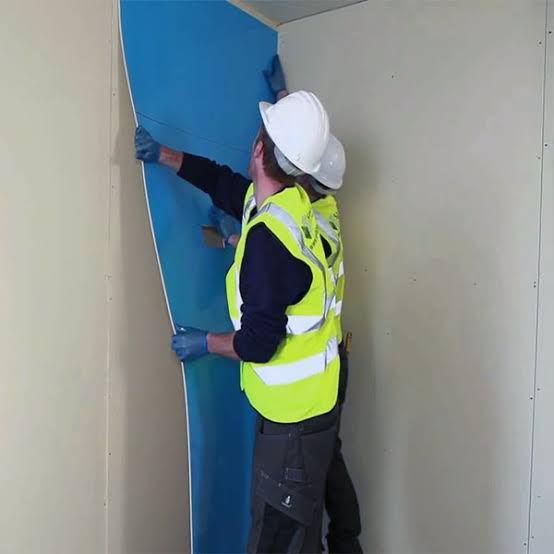
Sheets are cut and dry-fitted first, then bonded with the specified hygienic adhesive across the full back rather than in dabs. Full bonding prevents voids where condensation could collect.
Panels are worked from a datum so joints line up, with sheet sizes chosen to minimise the number of joints in each run.
Joints are either hot-welded with matching rod or closed with two-part H-section trim, depending on the specification.
Welded joints give a genuinely continuous surface and are the stronger option for high-risk areas. Trims are quicker and perfectly acceptable in many environments, and we’ll tell you which your situation warrants.
Internal and external corners get purpose-made trims rather than folded sheet, since a folded corner stresses the material and eventually cracks.
Every pipe, bracket, socket and cable entry is cut accurately and sealed with food-grade antimicrobial silicone. Oversized holes filled with excess sealant are a classic audit finding, so we cut tight.
Capping is fitted at the top of runs and around openings to close the panel edge completely.
Cladding is usable immediately, with sealant curing over 24 hours. There’s no extended shutdown, which suits production environments well.
You get product records, spare material for future repairs and cleaning guidance that won’t degrade the panels. Our before and after gallery shows completed installations.
The core application. Full wall and ceiling systems with coved floor junctions, installed alongside our hygiene floor coating work.
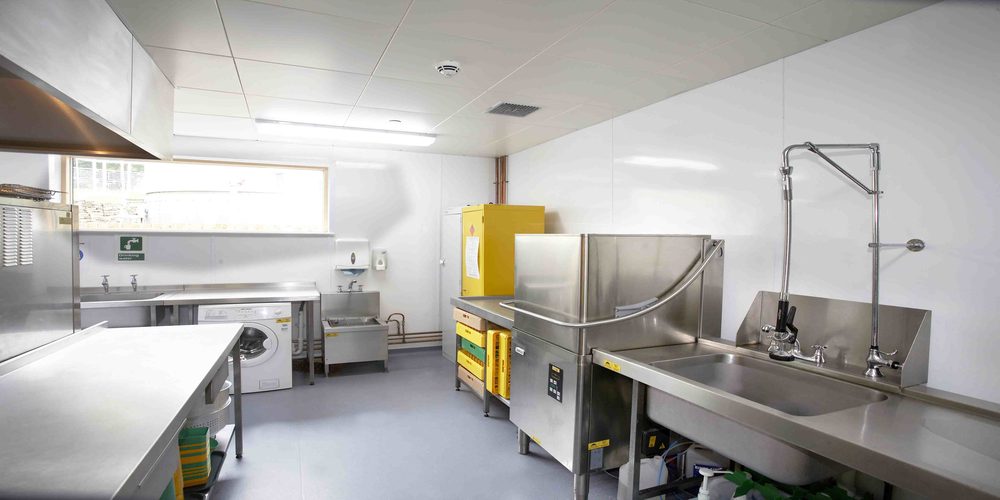
High washdown, organic acids and constant moisture. Panel selection has to account for the cleaning chemicals as much as the process.
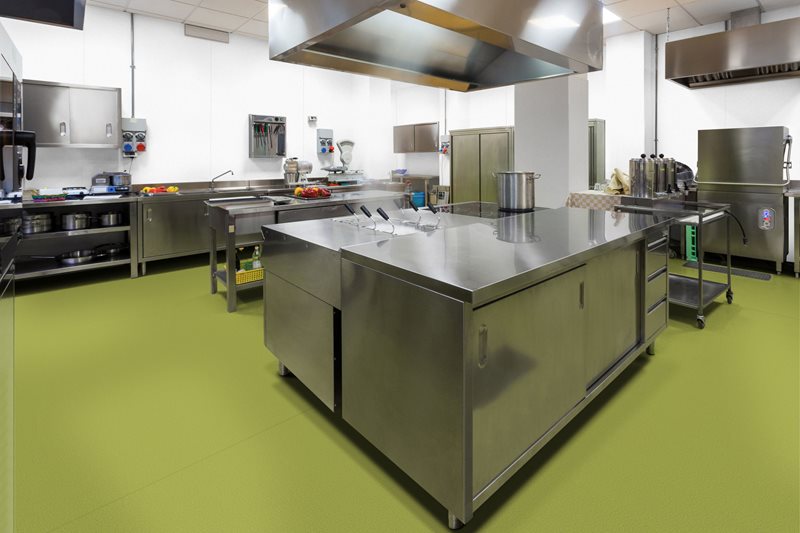
Grease, heat and steam. Stainless at cooking positions with PVC or FRP across the wider area is the usual arrangement.
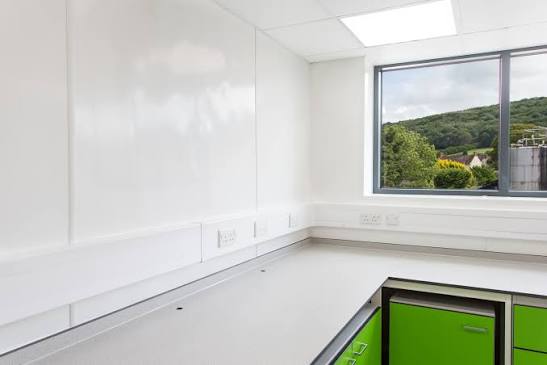
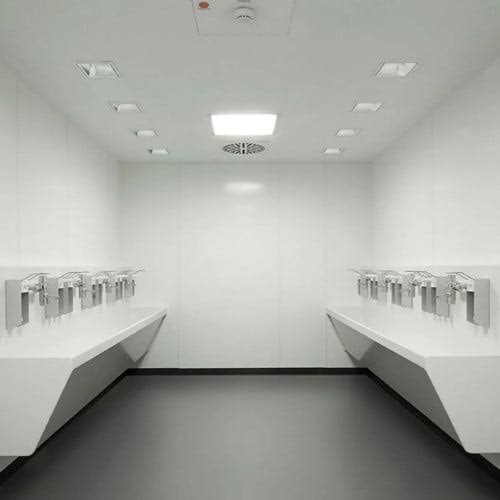
Controlled environments needing sealed, particle-free surfaces. Installed alongside our clean room systems and static-controlled flooring.
Infection control drives the specification here, with antimicrobial panels and welded joints in treatment areas.
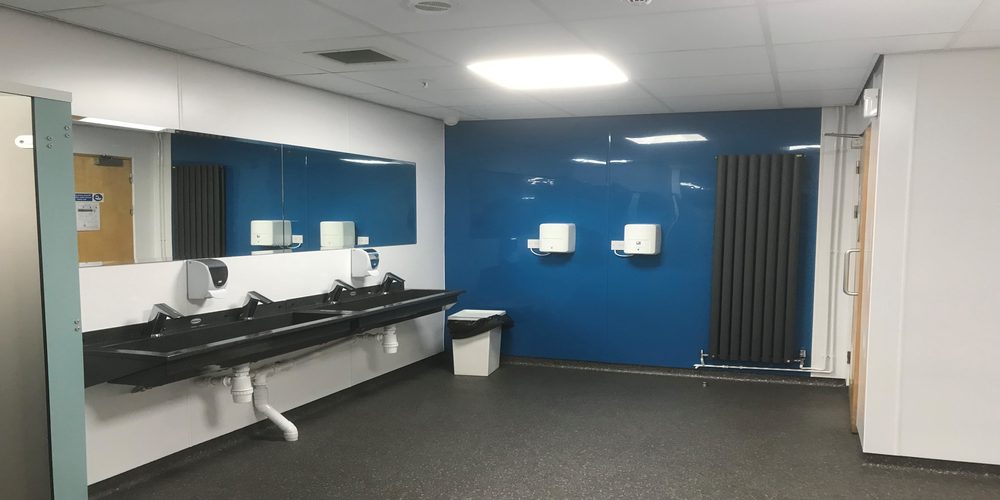
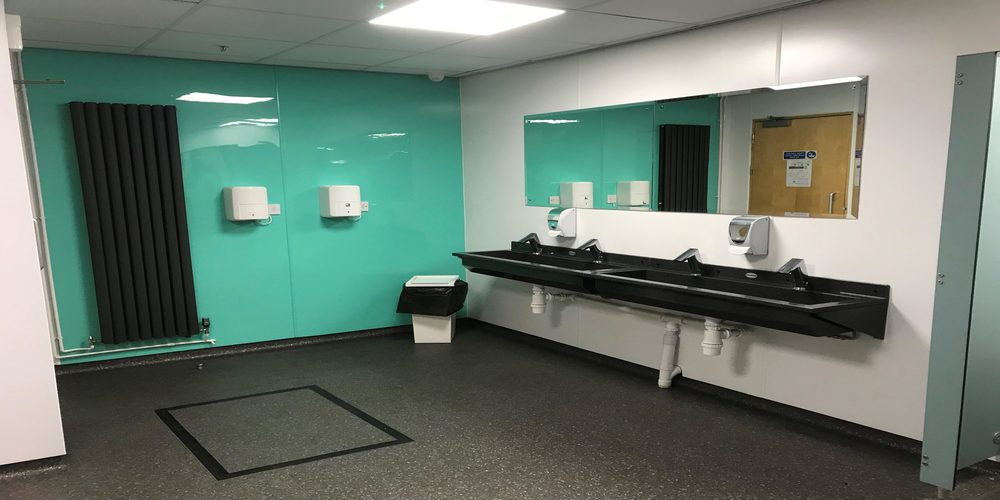
Persistent moisture and heavy use. These pair naturally with our wash room systems for a fully sealed room.
Washdown areas, milking parlours and feed preparation rooms. Practical, durable and far easier to clean than painted block.
We install hygienic wall cladding in the Midlands across Athlone, Mullingar, Tullamore, Portlaoise, Longford Town, Birr and Roscommon Town, with full Dublin and nationwide coverage from our Dublin 3 base.
Cladding works best as part of a sealed envelope. The floor side is handled through hygiene floor coating and, in wet areas, our wash room systems. Controlled environments add clean room systems and, where electronics are involved, anti-static flooring. Floors in adjoining production areas usually need epoxy flooring or chemical resistant flooring depending on the process. Existing floor damage should be resolved first through concrete floor repairs, and old finishes stripped via our floor coating removal service. Planning a refit? A floor inspection and repair visit is the sensible first step.
An auditor walks into your production room and looks down at the corner where the wall meets the floor. That one detail tells them more about your housekeeping than any documentation will. An open junction, a cracked silicone bead or a pipe hole packed with sealant becomes a written finding, and findings follow you through every subsequent visit. Meanwhile moisture keeps working behind the panel, quietly, where nobody can see it until something grows.
Hygienic wall cladding in the Midlands, delivered by Ron and the crew, is installed as a sealed envelope with the floor, not as a separate trade. The survey is free. The quote is written and itemised. Most rooms are back in use within days.
Call Ron: 086 2631652 — direct line, straight answers
Call Office: 014800555 — Sun–Fri, 09:30–17:30
Email: info@midlandsfloorpaintingco.ie
Or send your details through our contact page and we’ll come back to you the same working day, with no obligation.
Fill in your details and we'll get back to you within 24 hours.
Our Clients






Case Studies
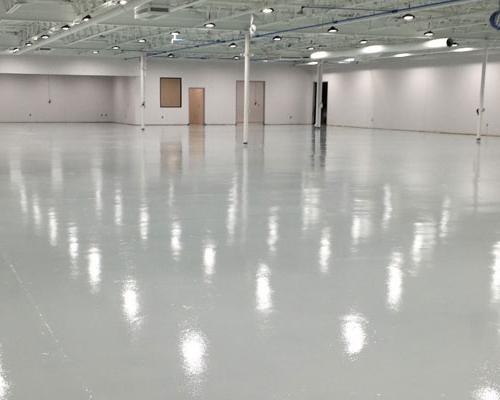
Healthcare Manufacture Plant
Client:
Trulife International
Location:
Airton Rd, Dublin, Ireland
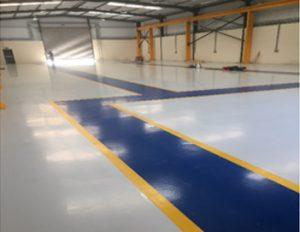
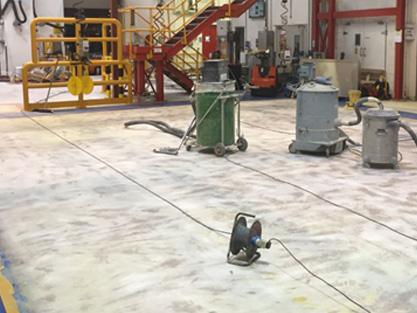
Old Concrete Refurbishment
Client:
Pressco Engineering
Location:
Dublin, Ireland
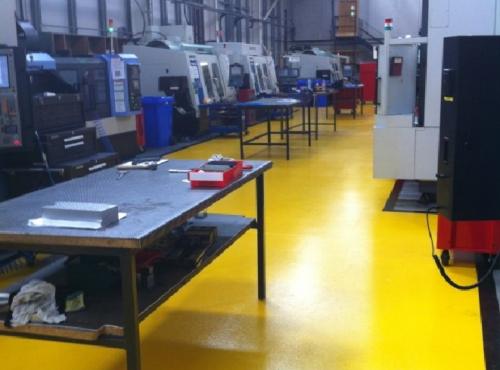
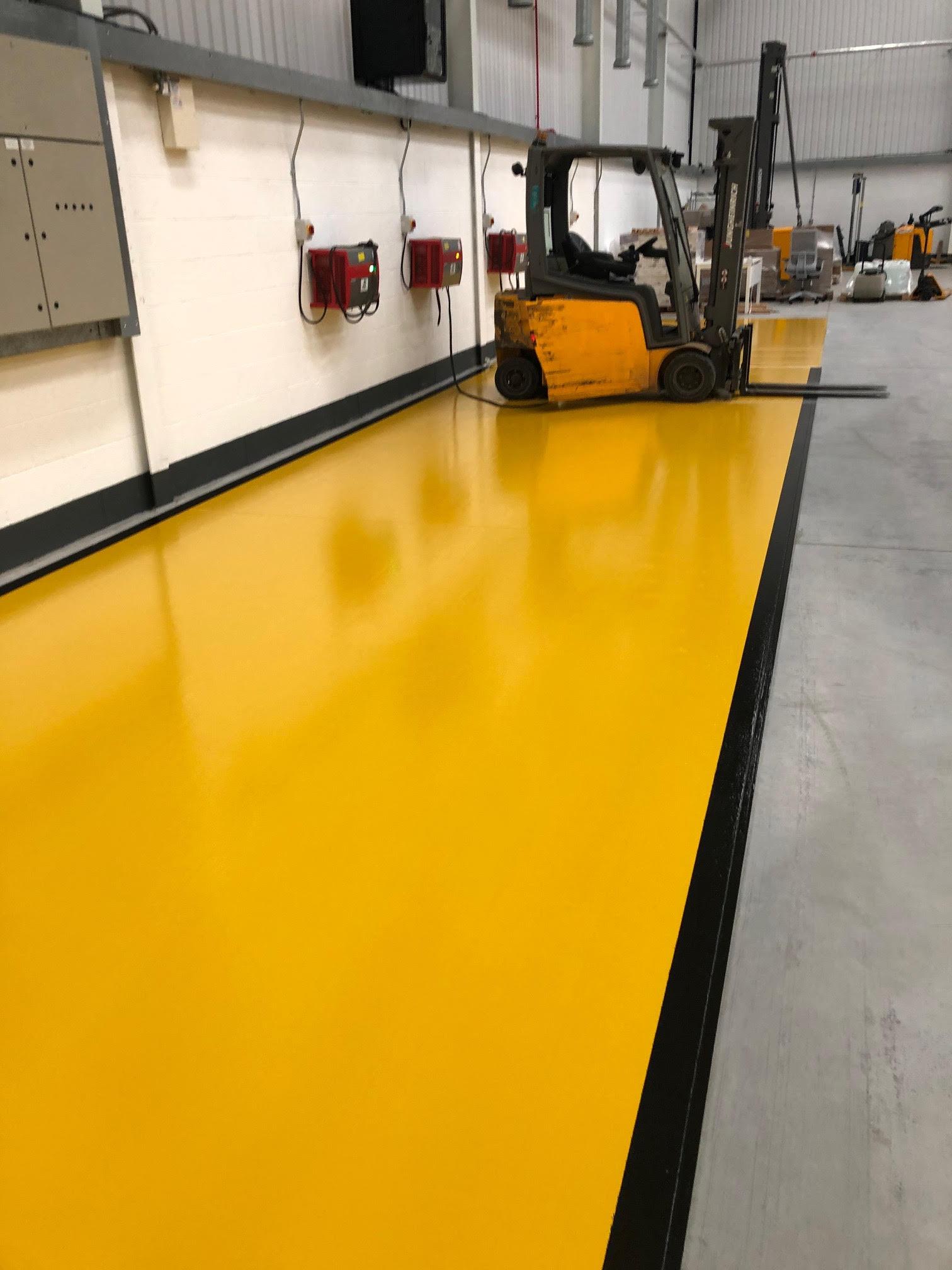
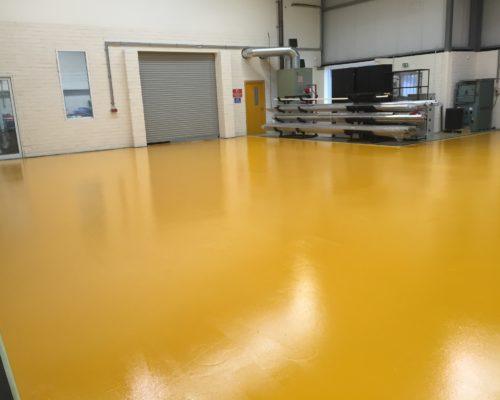
Anti Slip Flooring Installment
Client:
Tech Engineering
Location:
Bray, Ireland
Before & After
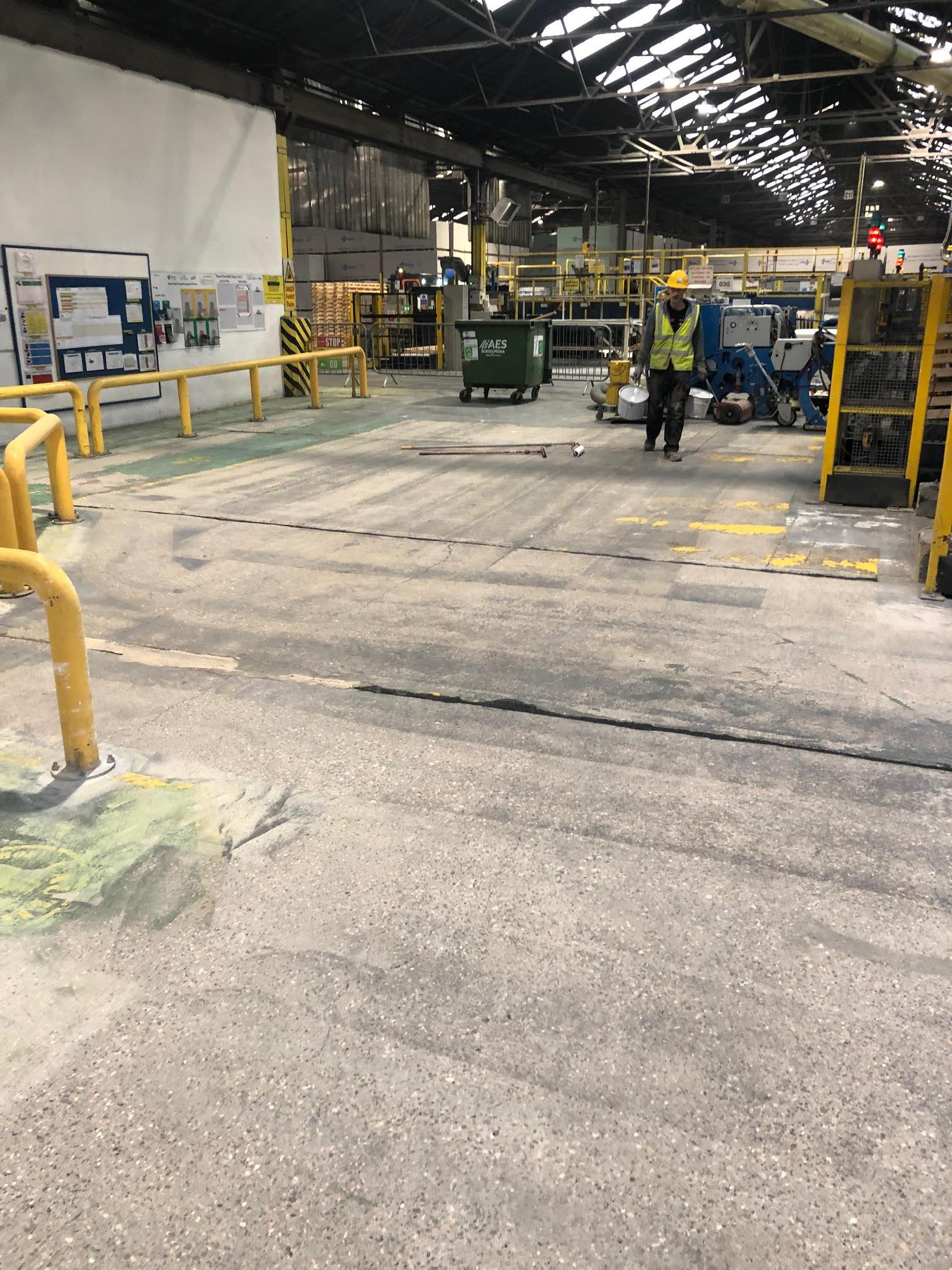
Before
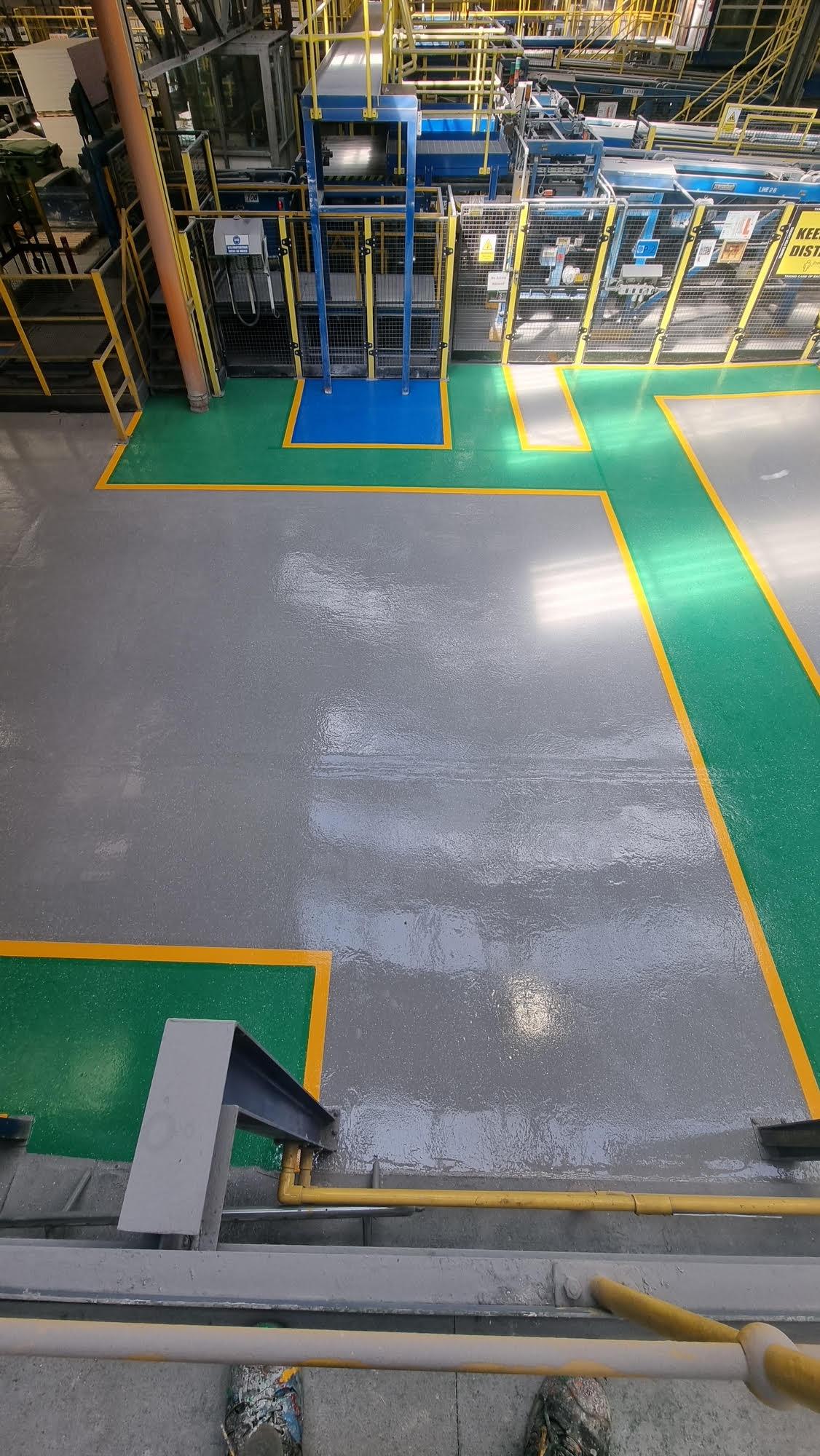
After
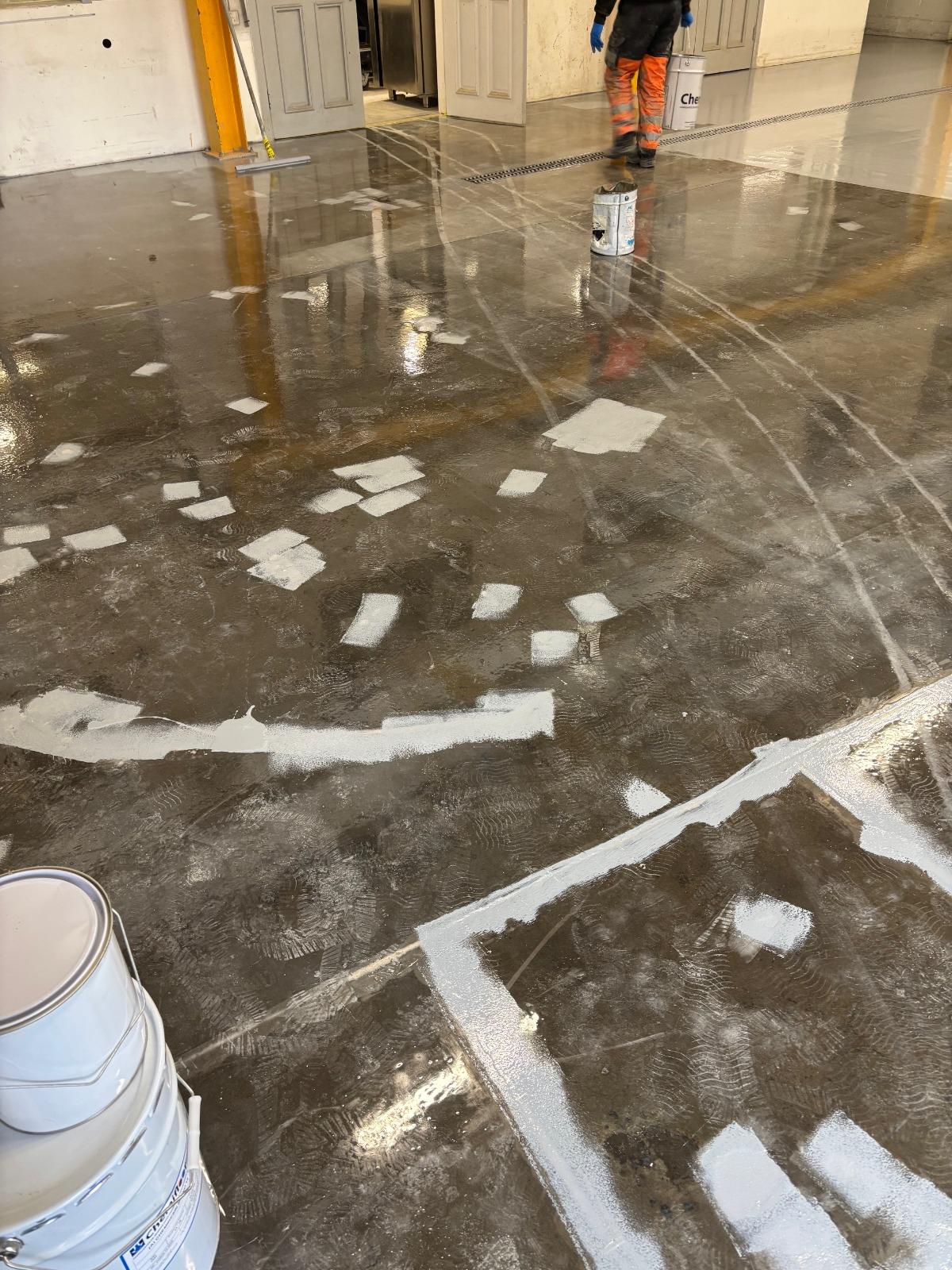
Before
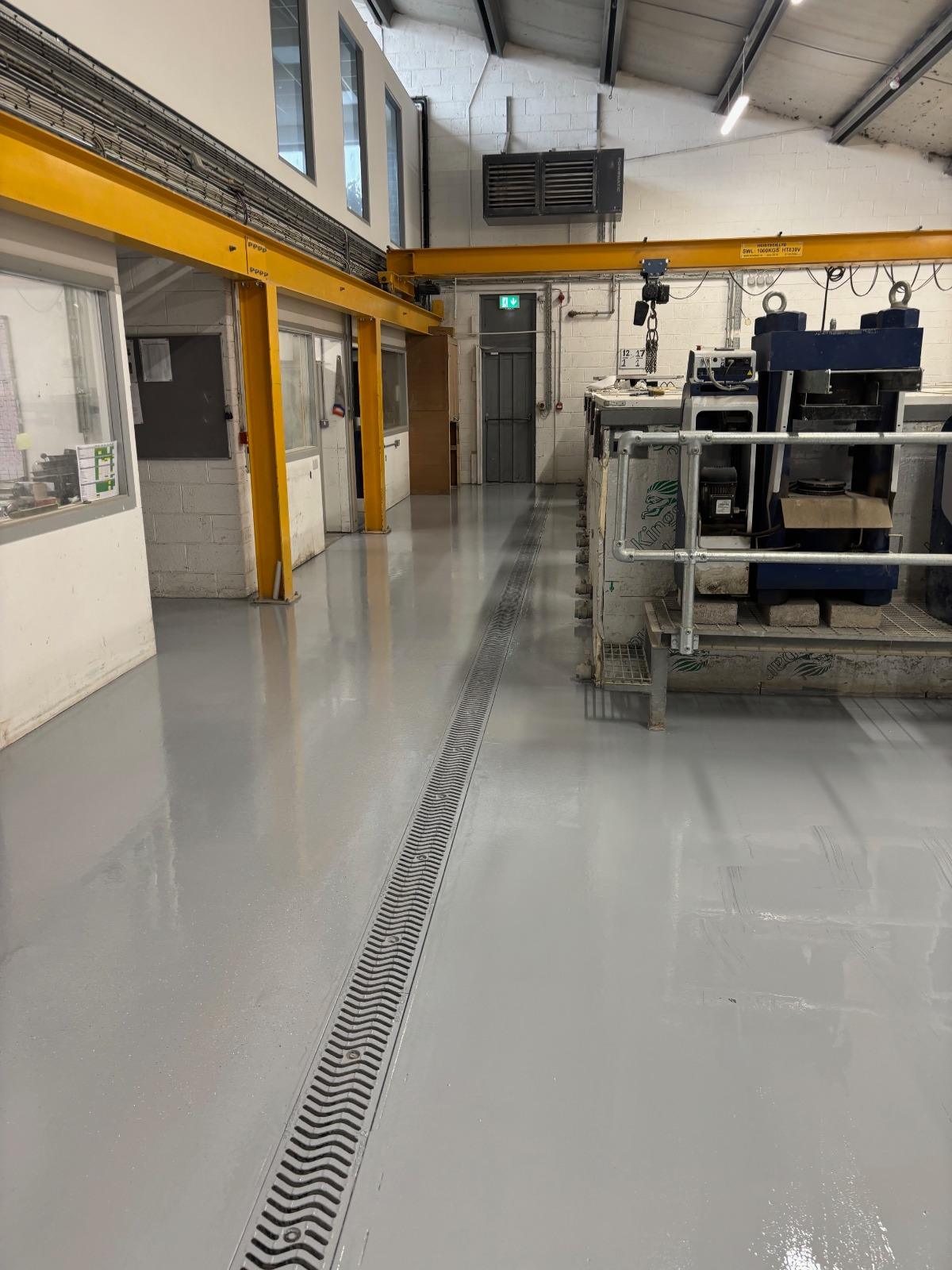
After
Recent Projects
Call on 0862631652 or Office Tel 01 2314676 Email us on info@midlandsfloorpaintingco.ie