Get a Quote
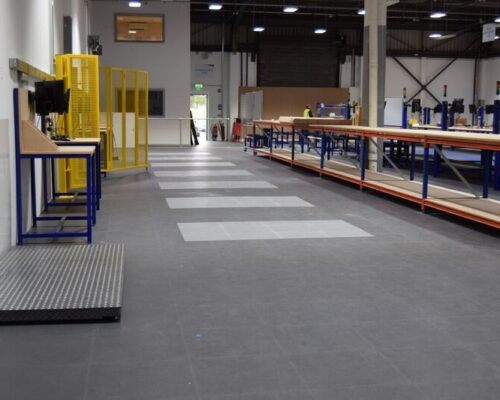
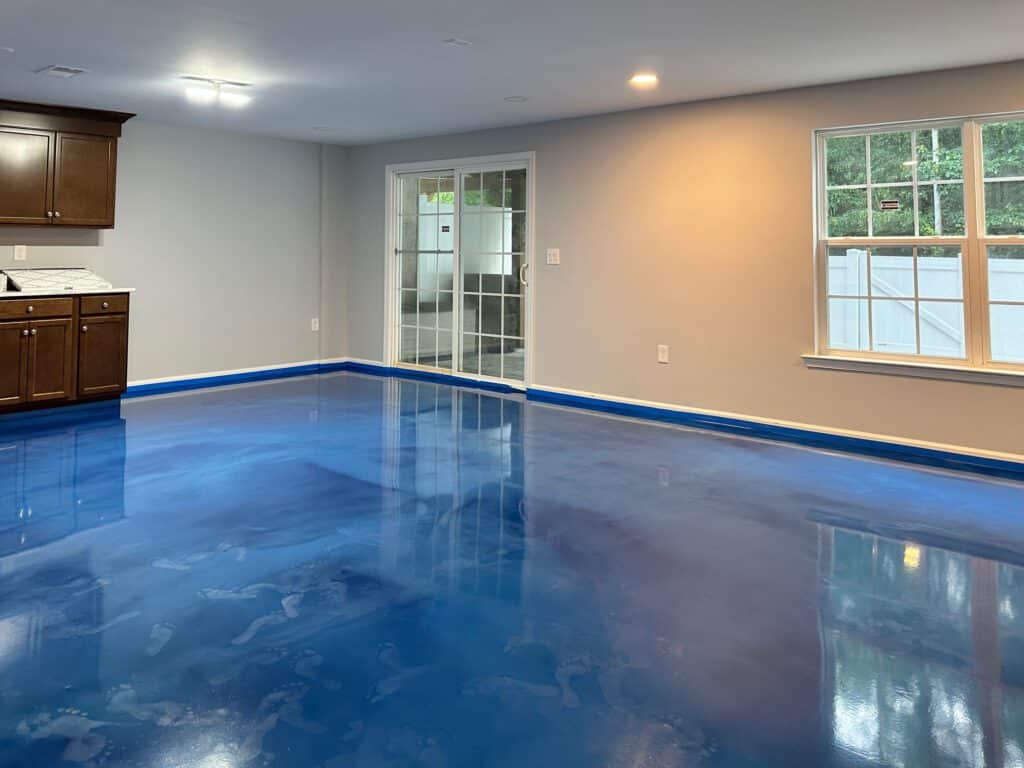
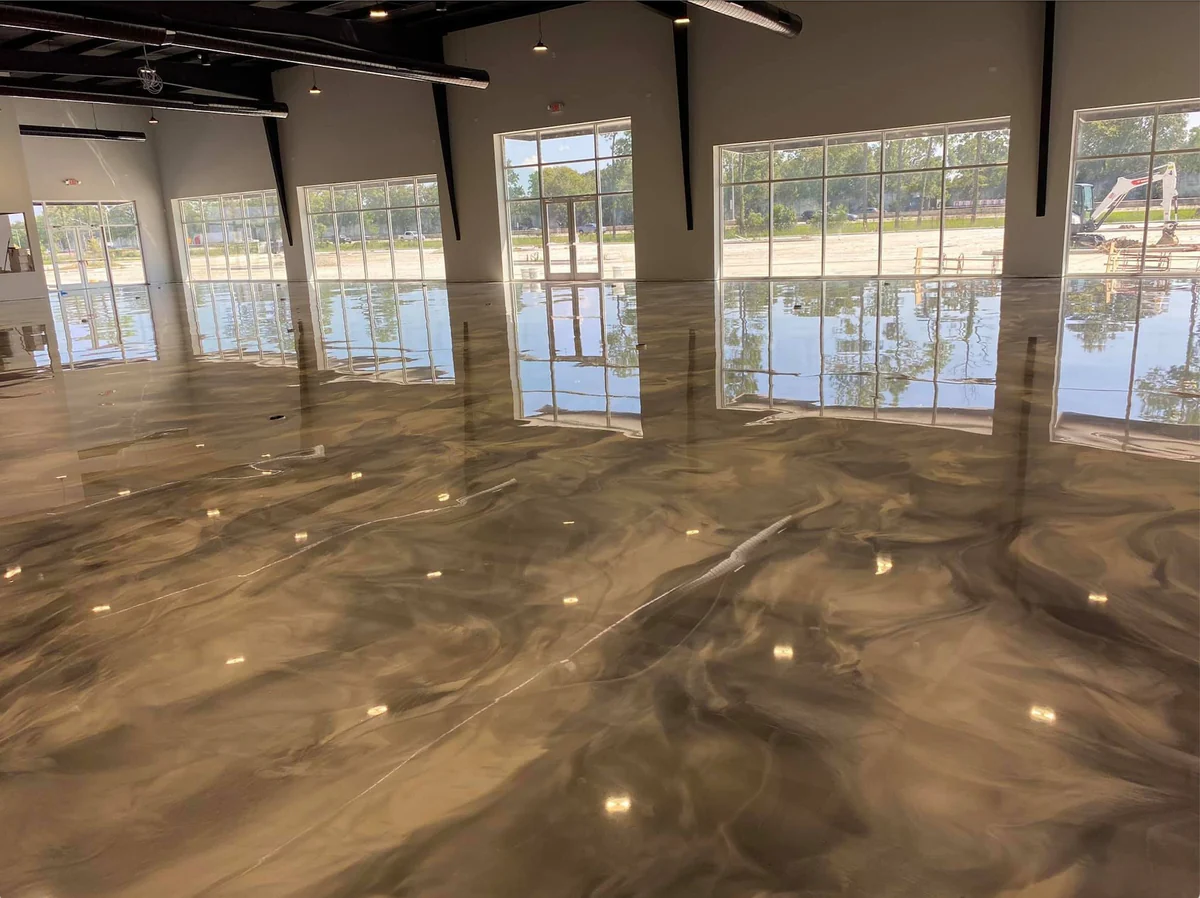
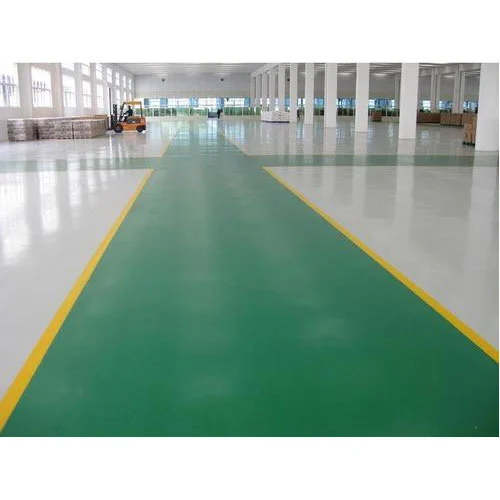
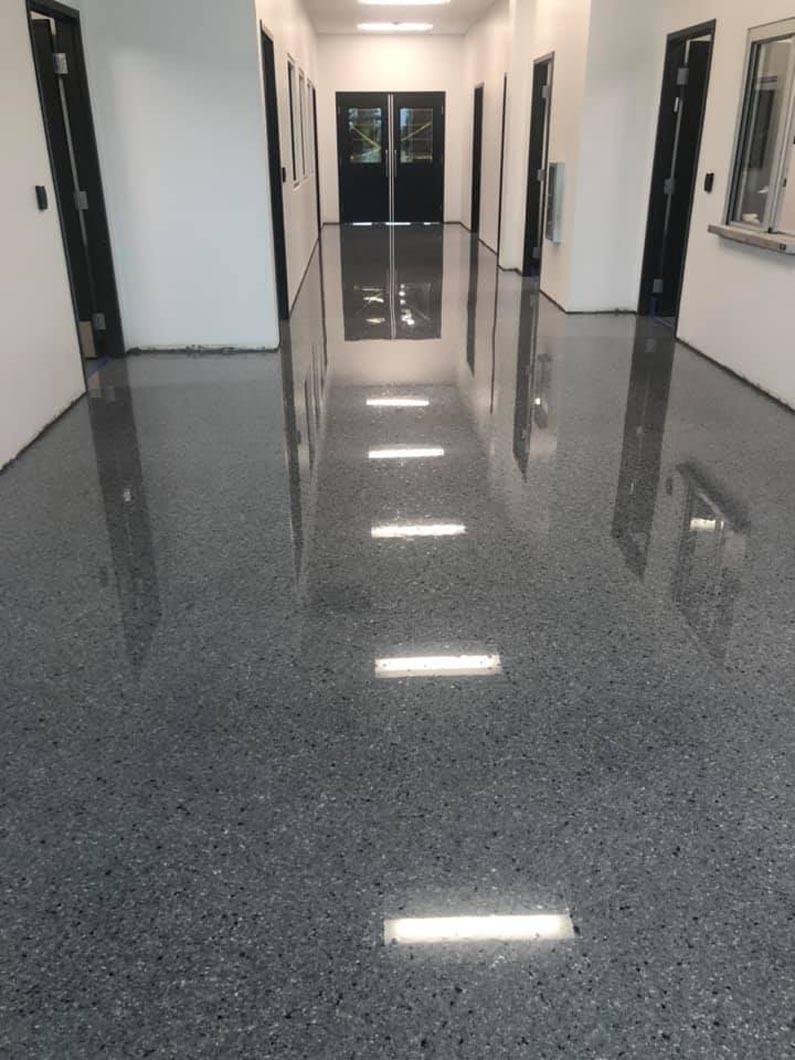

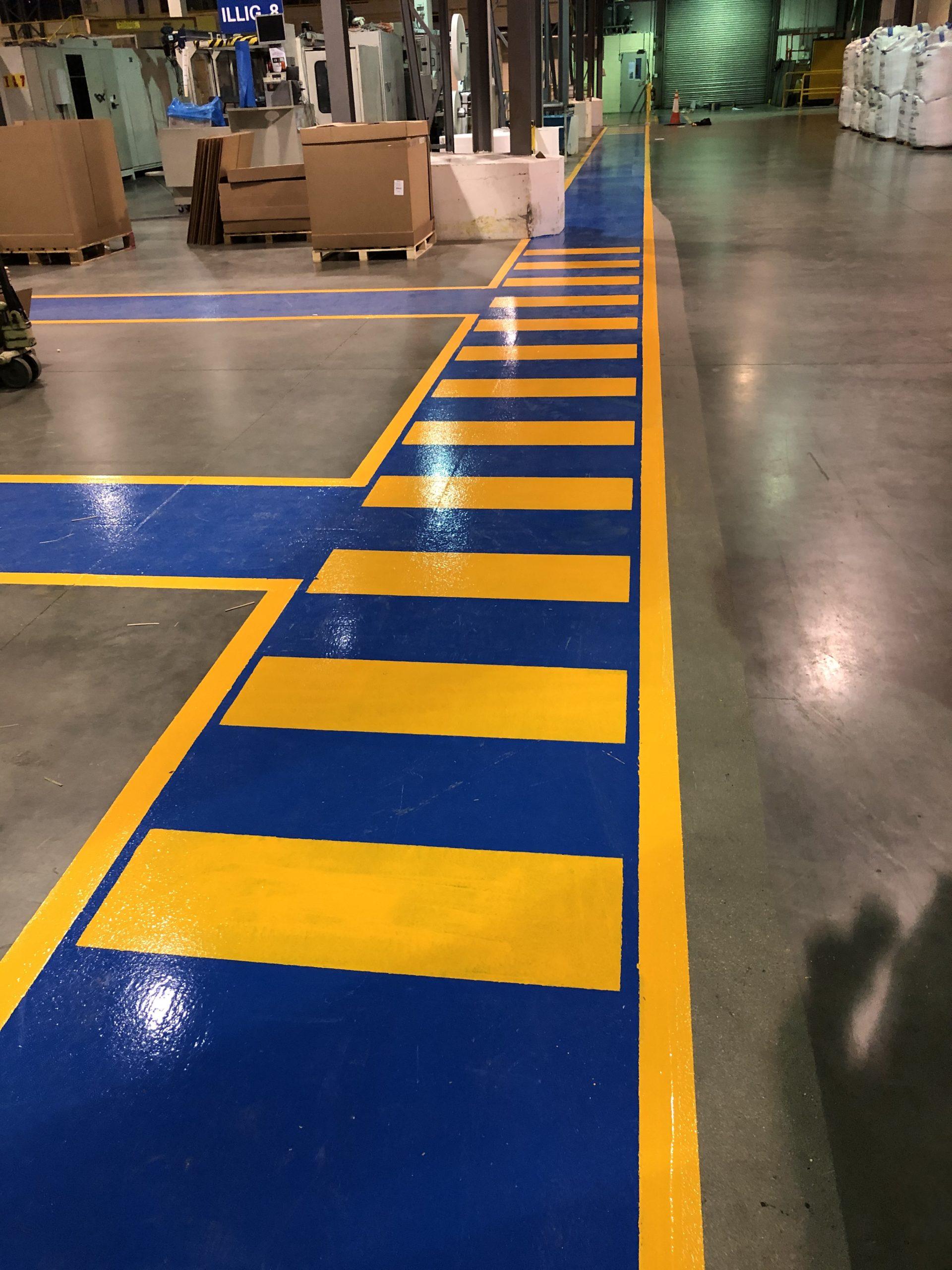
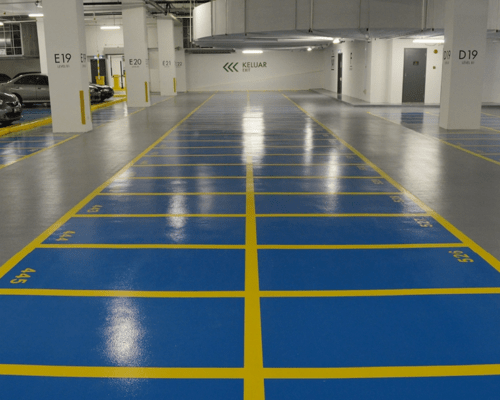
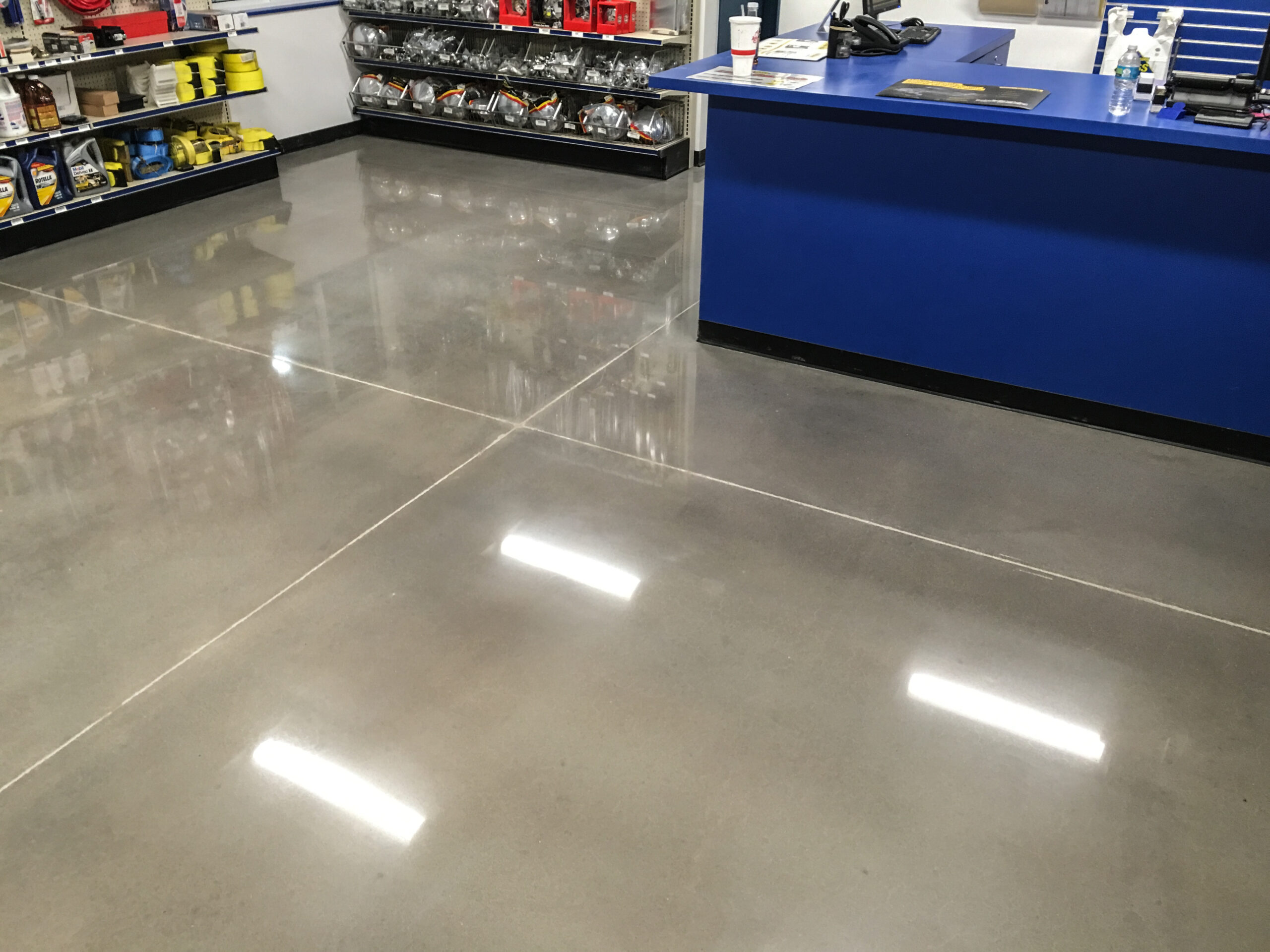
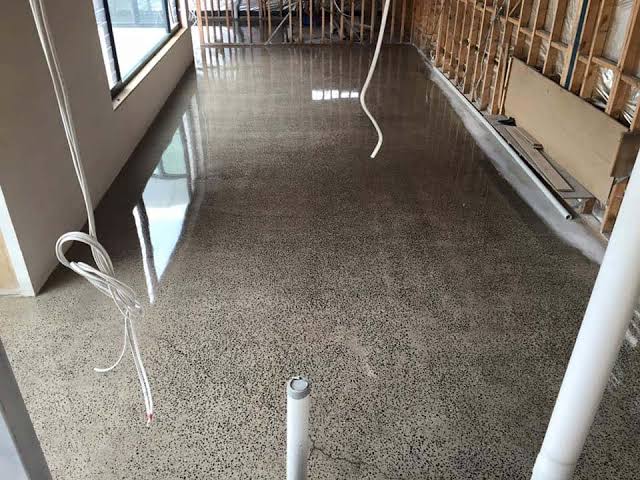
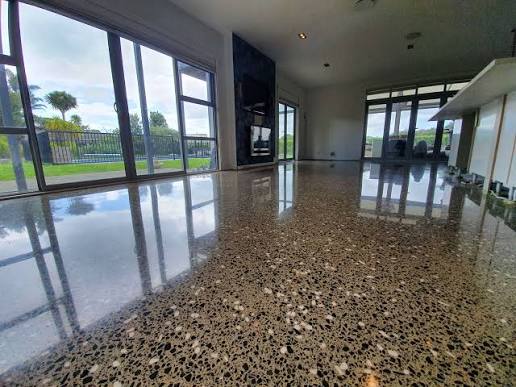
Concrete floor polishing in the Midlands is the only finish we install that can’t delaminate, because there’s nothing bonded to the slab to come off. That’s the fundamental difference, and it’s worth grasping before you compare quotes. A resin floor is a separate material stuck to your concrete, and every failure mode — blistering, peeling, bleed-through — comes down to that bond breaking. Polished concrete has no bond to break. We harden the existing slab chemically with a densifier, then refine the surface through progressively finer diamonds until it reflects light. The finish is the floor. Damp can’t lift it, hot tyres can’t pull it up, and it doesn’t wear off because there’s no film to wear.
The catch is honest and worth stating: you’re finishing the concrete you already have. Its colour, its aggregate, its patch repairs and its power-float marks are all part of the result. Ron cuts a test panel first so you see what’s actually in your slab before committing, because a floor with mismatched repairs won’t magically look uniform after polishing. Showrooms, retail units and warehouses across Westmeath, Offaly and Dublin have gone this route with us, and several came back for further areas afterwards — as our customer testimonials show.
Curious what’s actually in your slab? Call Ron on 086 2631652 for a free test panel and survey.
Two independent decisions determine how your floor looks. People conflate them constantly.
The sequence is long, methodical and unforgiving of shortcuts.
Ron assesses the slab, scratch-tests hardness and checks flatness. We then cut a test panel of roughly a square metre at the proposed exposure and gloss.
That panel is what you approve. It’s far better to see the real aggregate before committing than to discover it across four hundred square metres.
You get a written, itemised quote covering preparation, repairs, joint filling, grit sequence and densifying as separate lines.
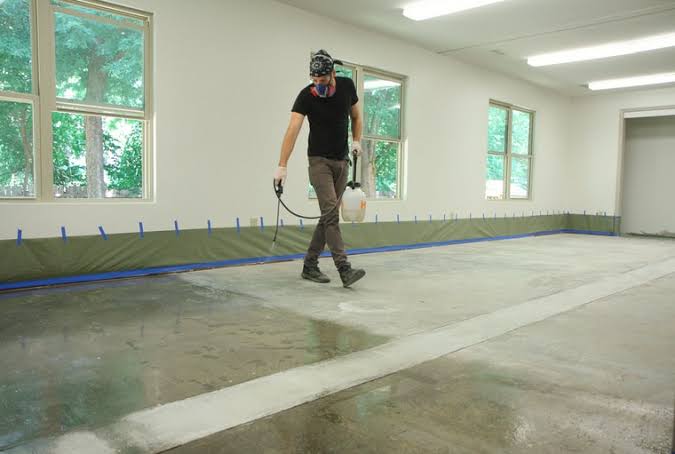
The floor is cleared, cleaned and any coatings removed. Old paint or sealer comes off through our floor coating removal service, and heavy soiling goes through pressure washing first.
Potholes and spalled areas are repaired via concrete floor repairs, using materials matched as closely as possible for colour. Joints are cleaned and filled with semi-rigid polyurea through mastic floor joint repairs, then ground flush with the surrounding floor.
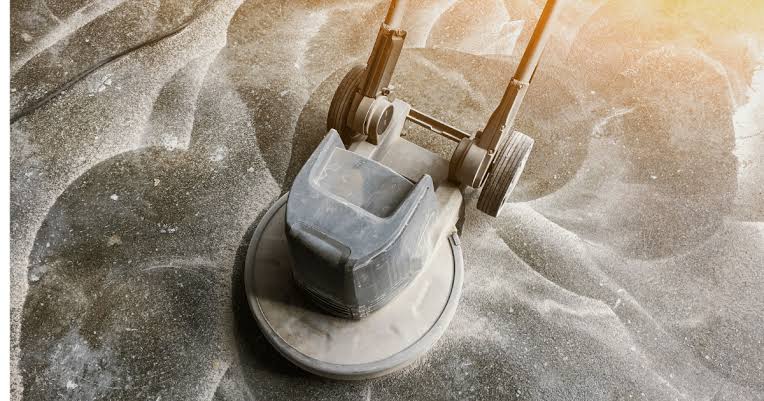
Metal-bond diamonds at 16–30 grit do the heavy work, removing laitance, coatings and enough material to reach the agreed exposure.
This stage also flattens the floor. Where joint lips or humps need correcting, diamond grinding is effectively the first stage of polishing anyway.
Passes overlap and alternate direction so the cut stays even. Everything runs through H-class extraction.
Progressive metal-bond grits — typically 50 then 100 — remove the scratch pattern left by the previous stage.
Skipping a grit is the classic shortcut, and it never works. Deeper scratches simply reappear under the gloss later, and by then the only fix is starting again.
Lithium silicate is applied and worked across the surface, reacting with free lime to form hardened crystalline structures inside the pores.
This is the step that makes polished concrete genuinely durable rather than just shiny. It hardens the slab, closes the pore structure and gives the final polishing stages something dense to work against.
Dwell time is respected properly, and excess is removed before it dries.
Resin-bond diamonds run through 100, 200, 400, 800 and beyond, depending on the agreed gloss level.
Each pass refines the scratch pattern further until light reflects rather than scatters. Gloss readings can be taken if a specific level has been specified.
A penetrating guard or stain-repellent treatment is applied to resist oil and liquid absorption. It soaks in rather than forming a film, so there’s still nothing on the surface to peel.
Where markings are needed, they’re applied afterwards through safety line marking.
Foot traffic returns within hours and full use within 24 hours. There’s no curing shutdown of the kind resin requires.
You get maintenance guidance, which matters more than most people expect — the wrong cleaning chemicals will dull a polished floor within months. See our before and after gallery for finished work.
The most common failure mode in industrial flooring simply doesn’t apply. There’s no coating bonded to the slab, so there’s nothing to lift.
Properly densified and polished floors run fifteen to twenty years with routine maintenance. Occasional re-polishing restores gloss without replacing anything.
No stripping, no waxing, no recoating cycle. A dust mop and a neutral cleaner keep it working, and that ongoing saving is substantial.
Polished floors bounce considerably more light around a space. Warehouses and retail units often reduce lighting load noticeably as a result.
Densifying stops the slab shedding fines entirely, which delivers everything covered by dust proofing as part of the same process.
You’re finishing concrete that already exists. No new material is added, nothing is imported, and there’s no coating to dispose of later.
Polished concrete has a higher wet slip resistance than most expect, because the surface is dense rather than smooth in the way a coating is. Where more is needed, a grip treatment can be applied.
Appearance is the deliverable. Salt-and-pepper at satin gloss is the usual specification, and it handles trolley and footfall traffic comfortably.
Increasingly popular where the slab is sound. It cuts dust, reflects light and avoids the recoating cycle that resin demands. Where traffic is heavy enough to need more, industrial flooring is the alternative.
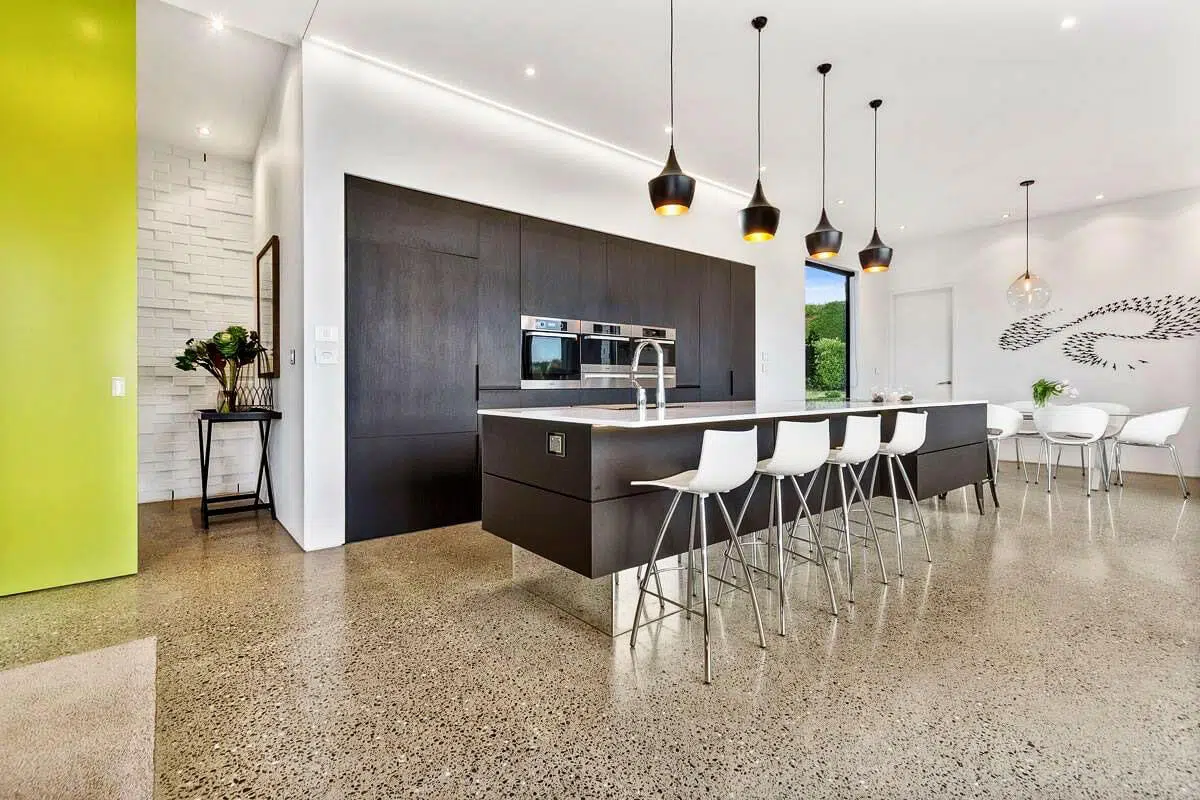
Exposed-concrete aesthetics with practical durability. Frequently specified in conversions and refurbishments.
Hard-wearing, easy to clean and visually distinctive. Sealing against spillage matters more here than gloss level.
Corridors and halls with heavy footfall and tight maintenance budgets. The low ongoing cost is usually the deciding factor.
Where cleanliness and light matter but chemical exposure is limited. Process zones with real chemical exposure need chemical resistant flooring instead.
Barn conversions, extensions and premium garages. Smaller areas where a polished slab replaces both floor covering and finish.
We deliver concrete floor polishing in the Midlands across Athlone, Mullingar, Tullamore, Portlaoise, Longford Town, Birr and Roscommon Town, with full Dublin and nationwide coverage from our Dublin 3 base.
Polishing sits alongside our wider concrete work. Levelling and heavy cutting run through diamond grinding, while coatings are stripped first via dust free shot blasting or our epoxy floor removal service. Where a slab turns out to be unsuitable for polishing, epoxy flooring or industrial floor painting deliver a uniform finish instead. Sound slabs needing protection rather than appearance are well served by concrete sealing, and preparation generally runs through floor preparation. Not sure whether your floor is a polishing candidate? Book a floor inspection and repair visit.
Most industrial floors get covered up because nobody looked at what was underneath. The slab is already there, already paid for, and in many cases already good enough to become the finished floor. Instead it gets buried under a coating that costs more, adds a bond that can fail, and starts a recoating cycle that never ends. Polishing takes the opposite approach — it makes the concrete you own into the floor you want, with nothing on top to lift, peel or wear away.
Concrete floor polishing in the Midlands, delivered by Ron and the crew, starts with a test panel so you know exactly what you’re getting. The survey is free. The quote is written and itemised. Most floors are back in full use within 24 hours.
Call Ron: 086 2631652 — direct line, straight answers
Call Office: 014800555 — Sun–Fri, 09:30–17:30
Email: info@midlandsfloorpaintingco.ie
Or send your details through our contact page and we’ll come back to you the same working day, with no obligation.
The best floor in your building might already be under your feet.
Fill in your details and we'll get back to you within 24 hours.
Our Clients






Case Studies
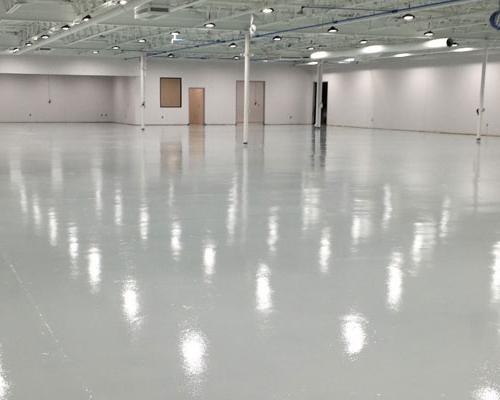
Healthcare Manufacture Plant
Client:
Trulife International
Location:
Airton Rd, Dublin, Ireland
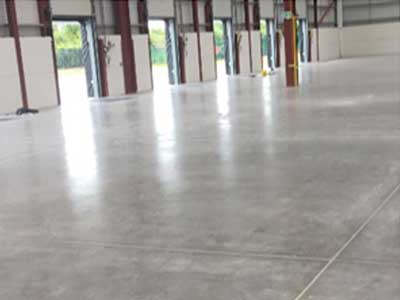
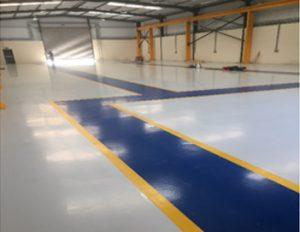
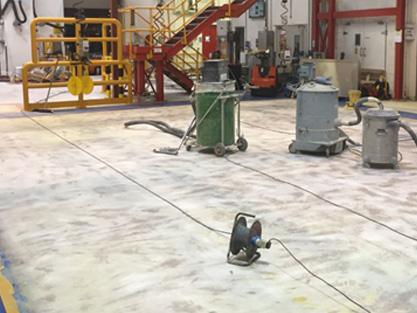
Old Concrete Refurbishment
Client:
Pressco Engineering
Location:
Dublin, Ireland
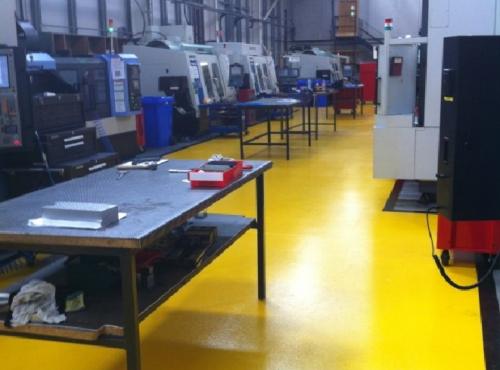
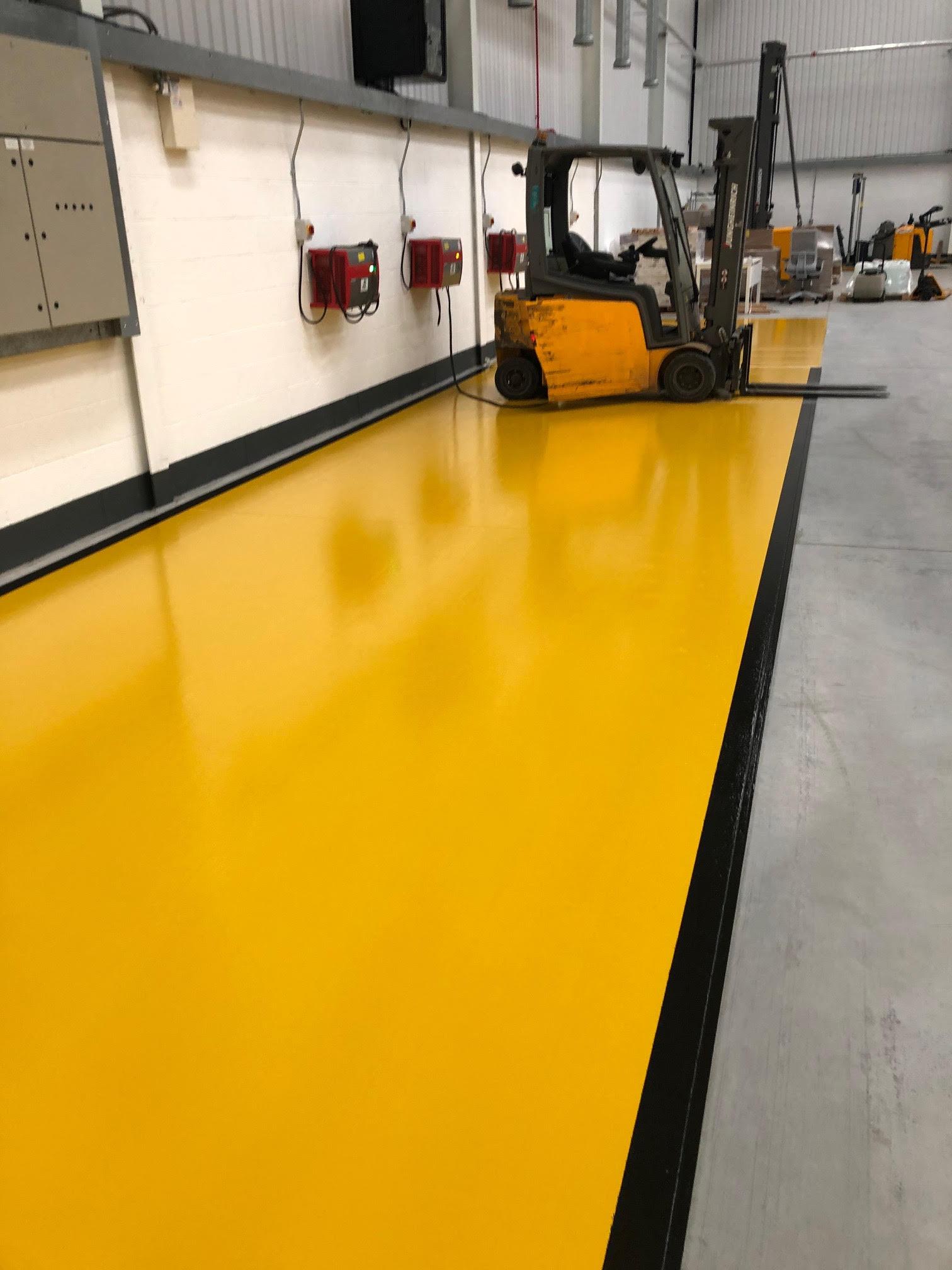
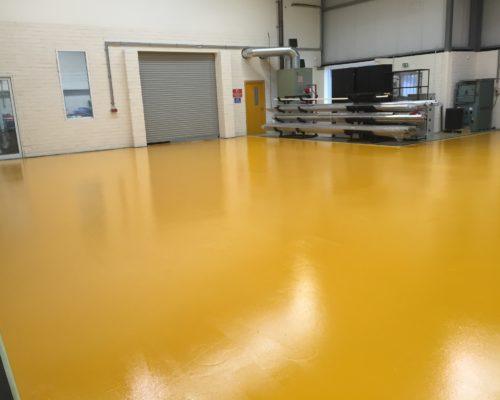
Anti Slip Flooring Installment
Client:
Tech Engineering
Location:
Bray, Ireland
Before & After
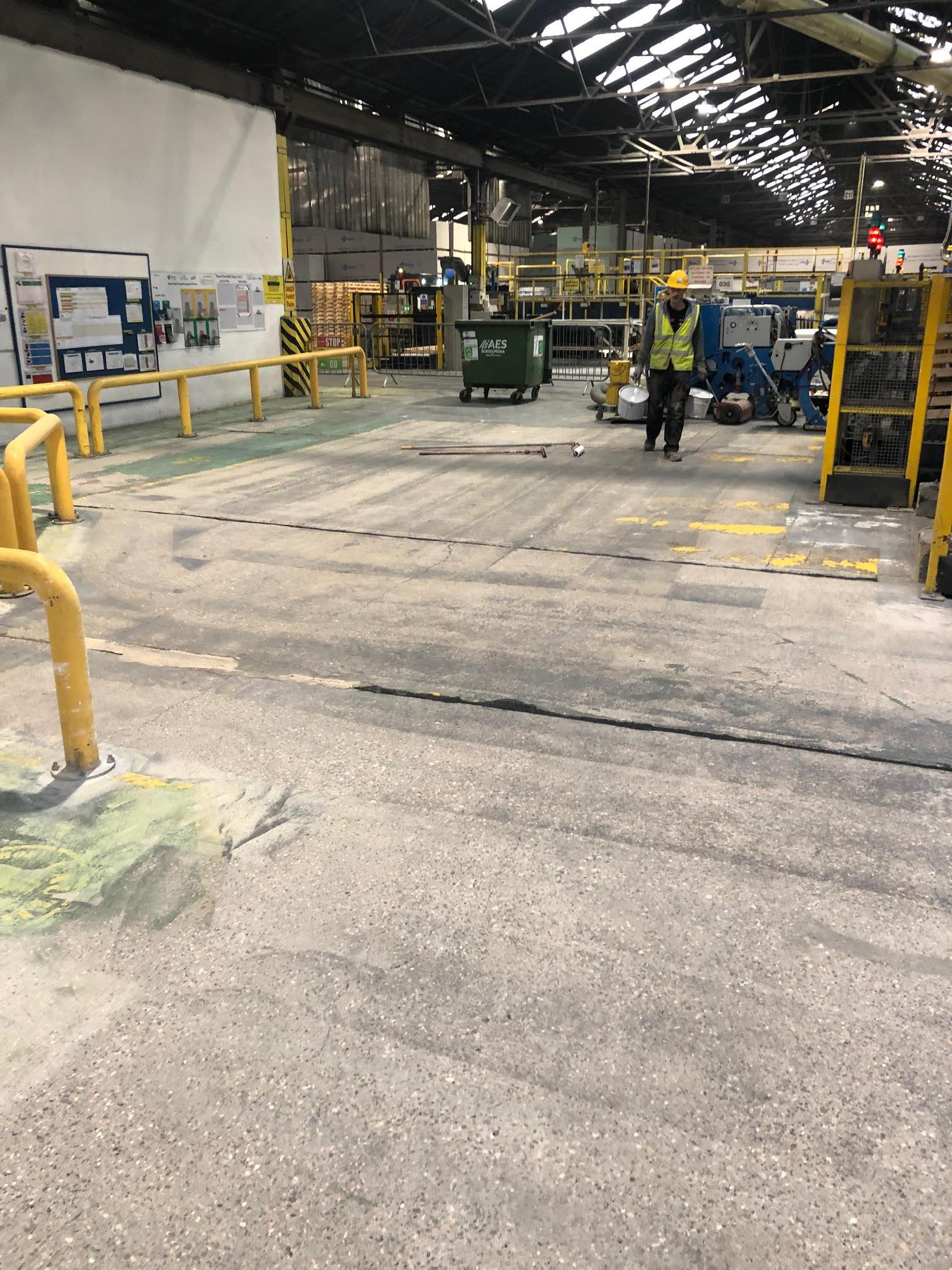
Before
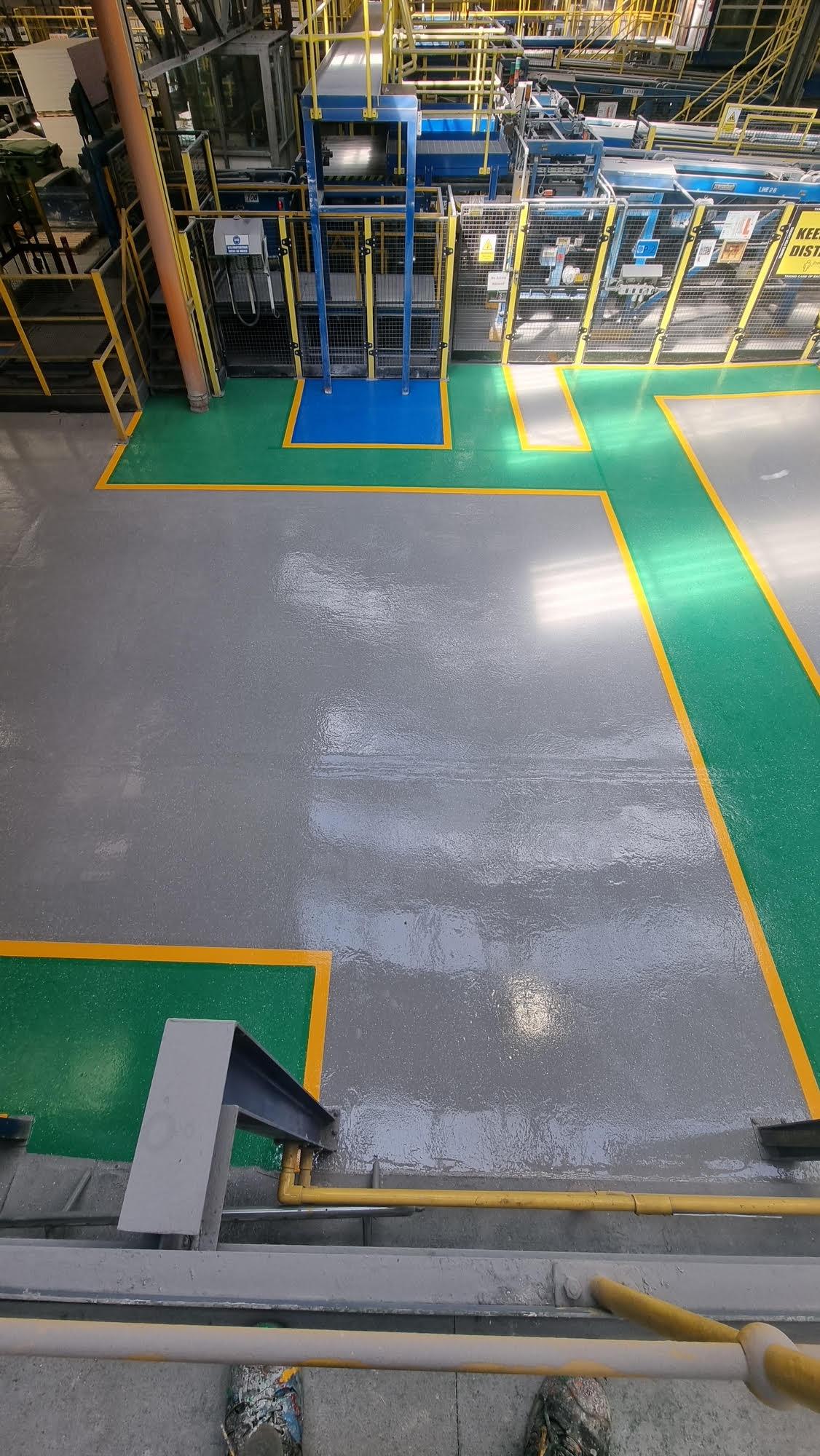
After
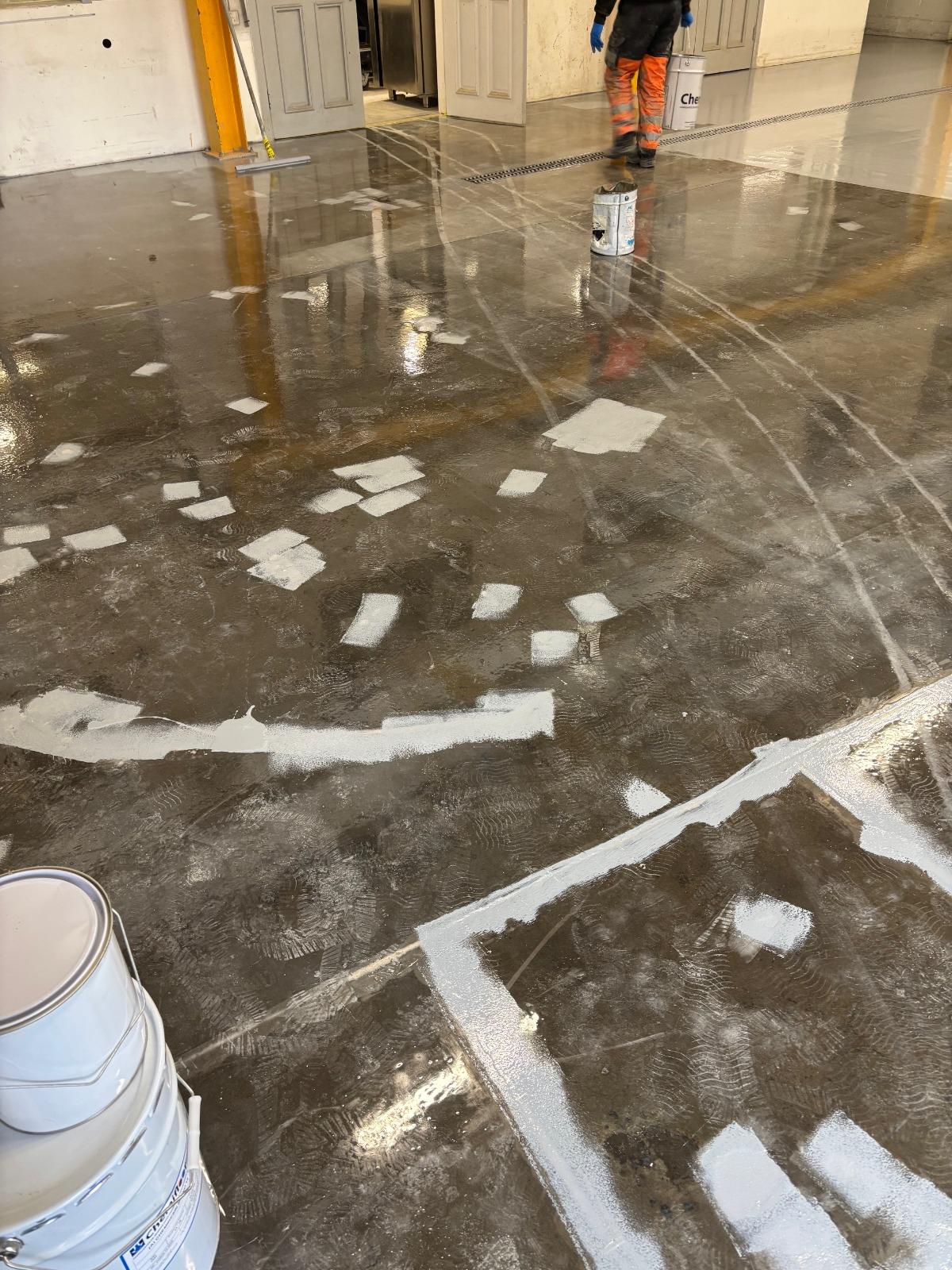
Before
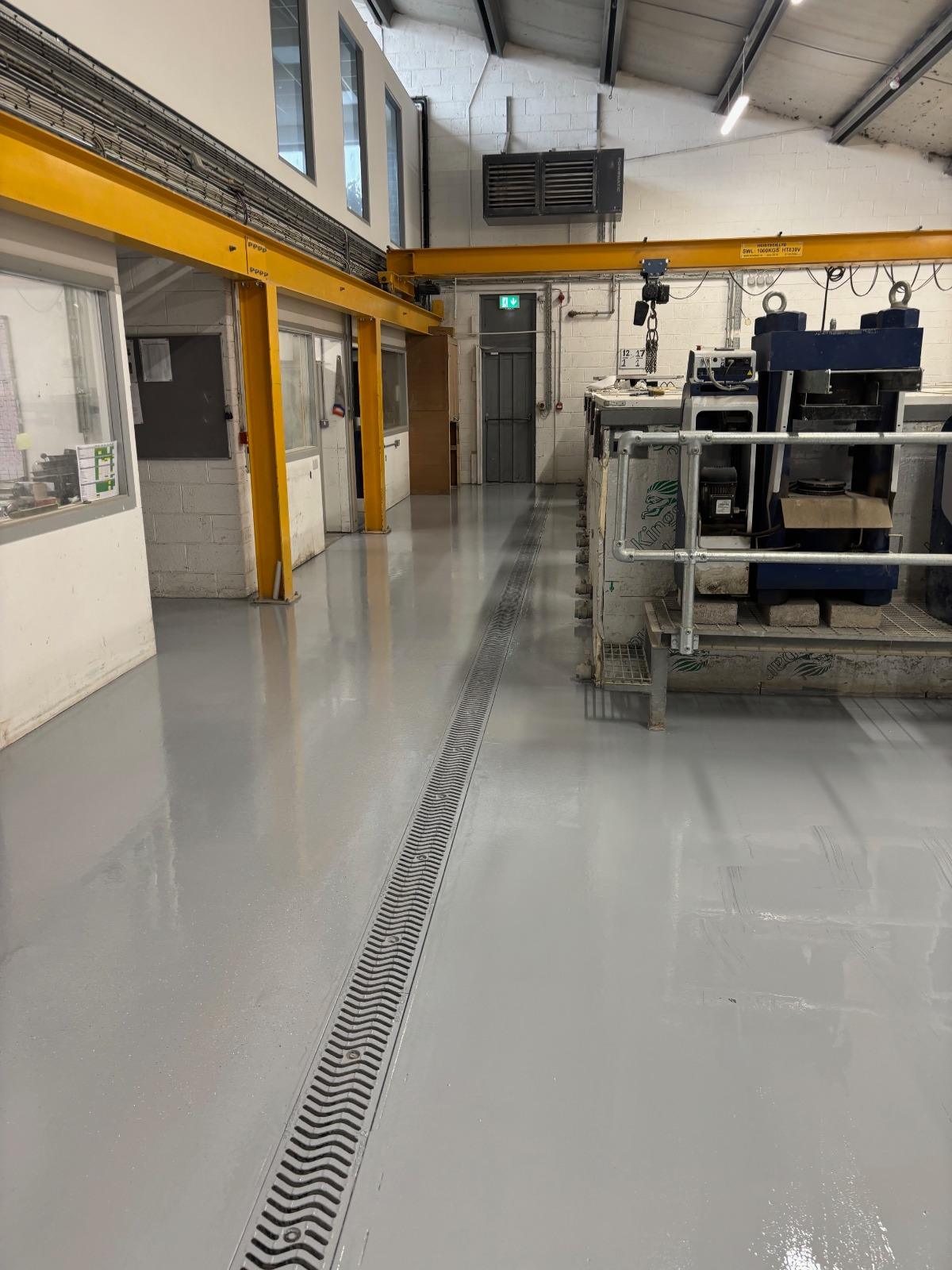
After
Recent Projects
Call on 0862631652 or Office Tel 01 2314676 Email us on info@midlandsfloorpaintingco.ie