
Get a Quote

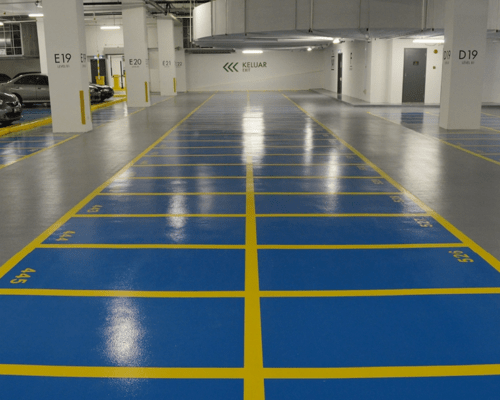
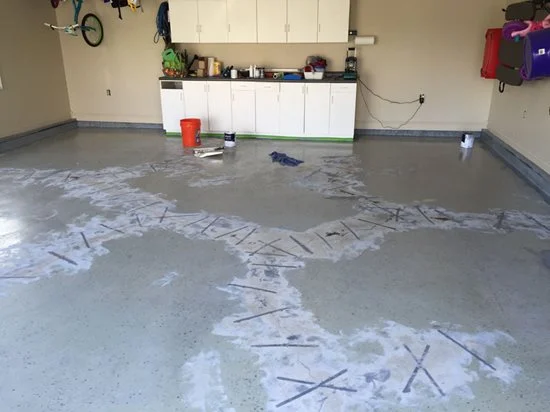
Floor stitching in the Midlands exists because filling a crack doesn’t fix a crack. Pour resin into a fissure running across a warehouse floor and you’ve achieved exactly one thing: you’ve made it invisible for a while. The two halves of that slab are still moving independently. Every forklift crossing flexes them, the filler debonds along one edge, and within months the line reappears — usually wider, usually with the arrises breaking down on either side. What you’re looking at then isn’t a cosmetic problem. It’s a slab that has stopped behaving as a single structural unit, and it will keep deteriorating until something physically ties it back together.
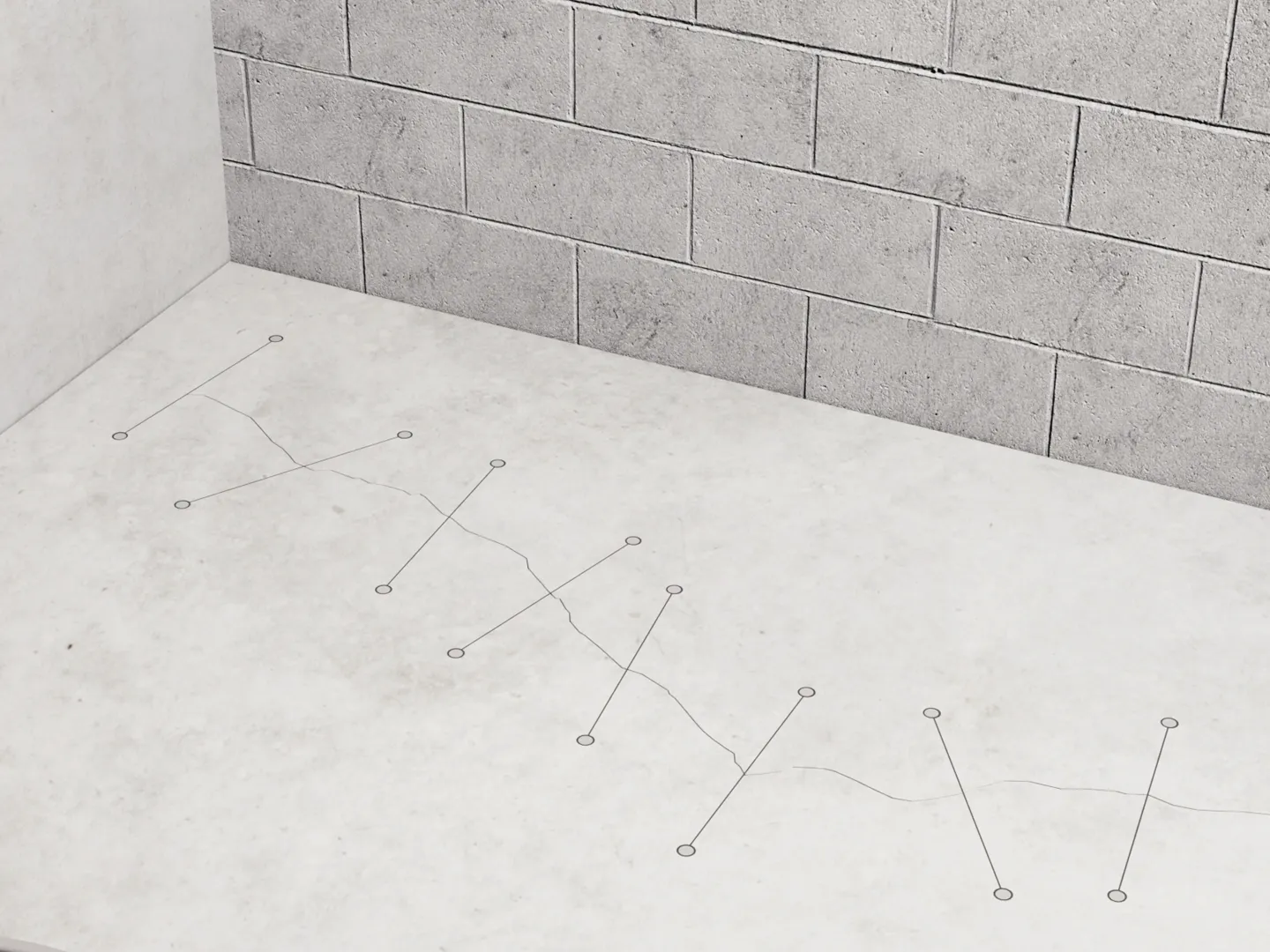
That’s what stitching does. We cut slots across the crack at right angles, bed steel or carbon reinforcement into them, and bond the whole thing with structural resin so the two sides can no longer move apart. Ron surveys the crack first and tells you honestly whether it’s live or dormant, because that single question determines the entire repair strategy. Sites across Westmeath, Offaly and Dublin have had cracks stitched by our crew and never seen them return, which is why several clients keep coming back — as our customer testimonials reflect.
Got a crack that keeps coming back? Call Ron on 086 2631652 for a free structural assessment.
Before any repair method makes sense, we need to know what the crack is doing.
There’s a third category worth naming. Some cracks are symptoms of subsidence or slab failure that flooring work simply cannot address. When we see that, we say so and recommend a structural engineer rather than taking the job.
The technique varies with crack width, slab thickness and how much load crosses it.
The work is precise, dusty by nature and entirely manageable around a working site.
Ron inspects the crack, measures width, checks for vertical displacement between the two sides and looks at the pattern across the whole floor. He’ll ask when it appeared, whether it’s widened and what traffic crosses it.
Where movement is uncertain, we monitor before committing. That patience saves you paying twice.
You then get a written, itemised quote covering slot cutting, reinforcement, grout, arris repair and surface reinstatement as separate lines.
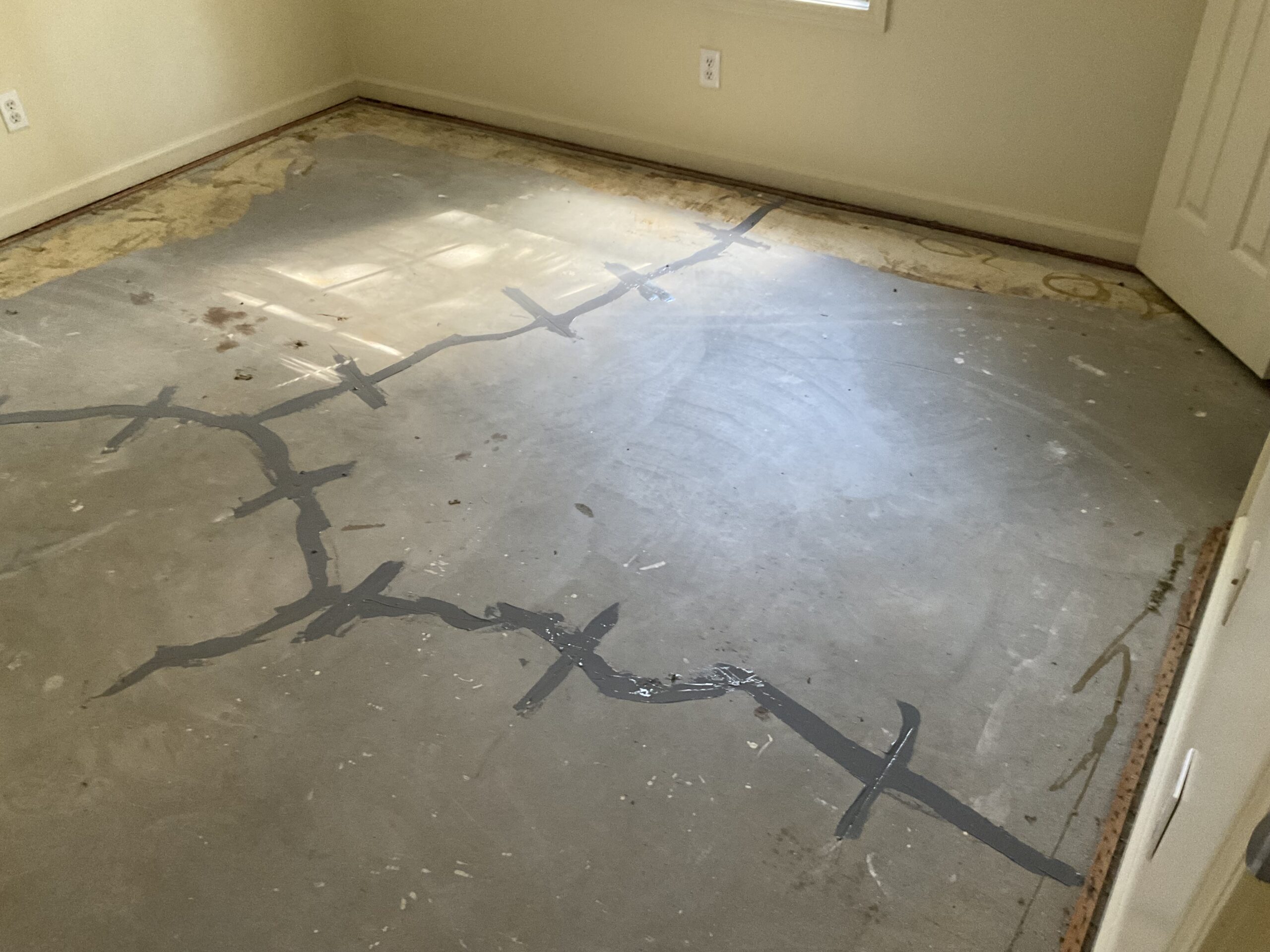
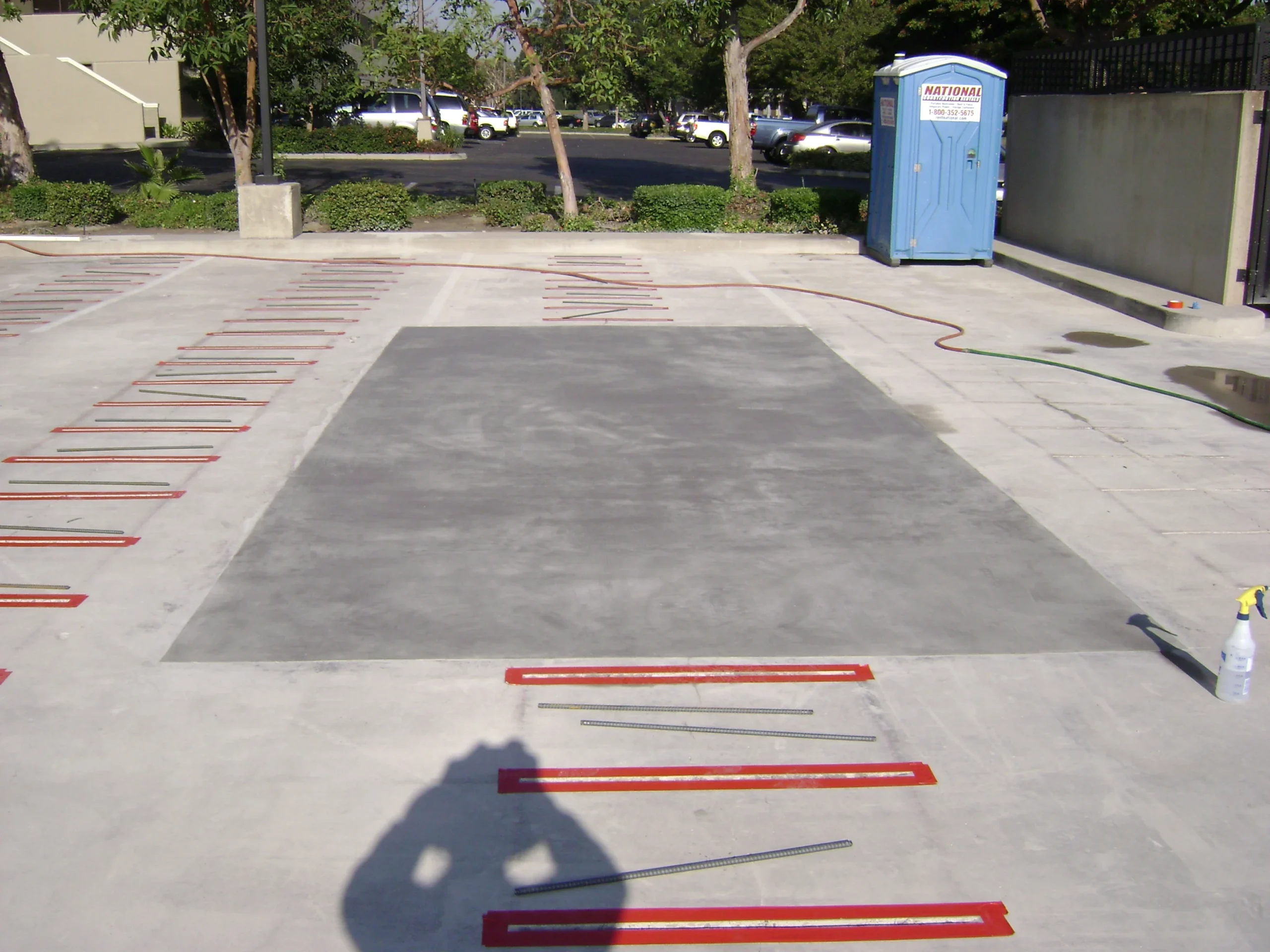
Slot positions are marked across the crack at the agreed centres, perpendicular to its run. Where the crack curves, spacing follows the line rather than a straight grid.
We also mark any services running below the slab. Cutting into a buried conduit turns a straightforward day into a very expensive one.
Slots are cut with diamond blades to the specified depth and length, then cleaned out with compressed air and vacuum extraction. Dust is captured at source, so adjacent areas keep working.
The crack itself is routed out at the same time where filler or debris has collected in it.
Loose material is removed from the crack faces. For full-depth cracks, injection ports are fitted and low-viscosity resin is introduced under low pressure until it refuses, filling the fissure through the slab section.
This step is skipped on shallow surface cracking, and we’ll tell you when it isn’t needed.
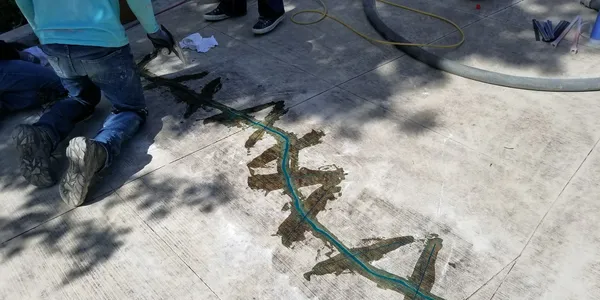
Bars or staples are bedded into the slots with structural resin, seated fully and covered completely. Air voids around the reinforcement compromise the whole repair, so the grout is worked in rather than simply poured.
The crack line itself is then filled flush.
Once cured, the repair is ground flush with the surrounding floor using floor grinding or diamond grinding so there’s no ridge for wheels to catch.
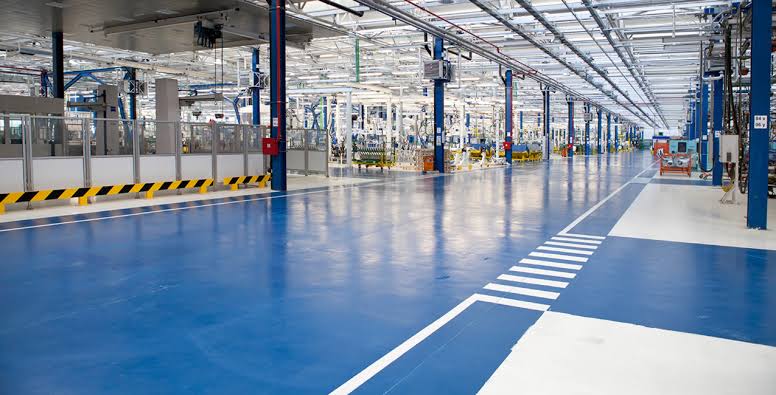
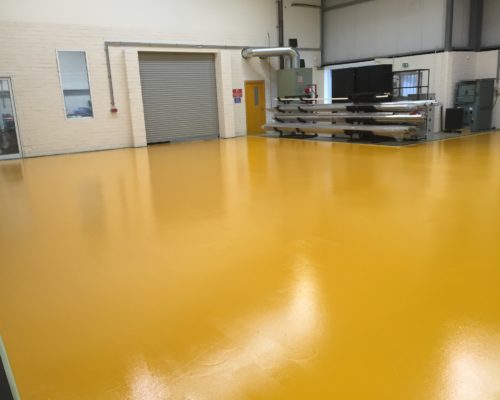
Where the surrounding floor is coated, we make good into the existing system. On uncoated slabs, many clients take the opportunity to apply dust proofing or a full industrial floor painting finish across the whole area at the same time.
Structural resins typically reach handling strength within 4–6 hours and full strength at 24 hours. So most stitched floors take traffic the next working day.
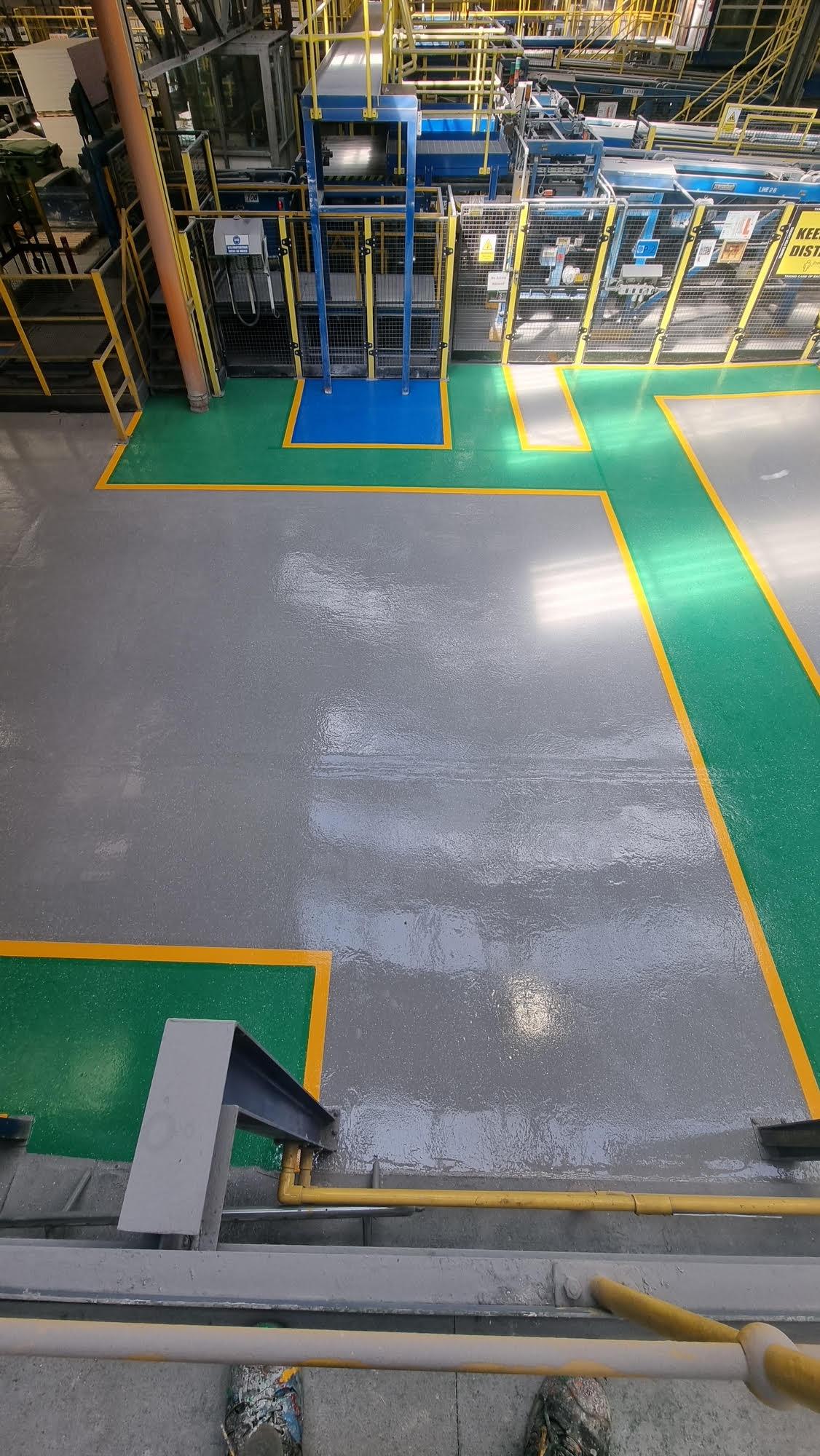
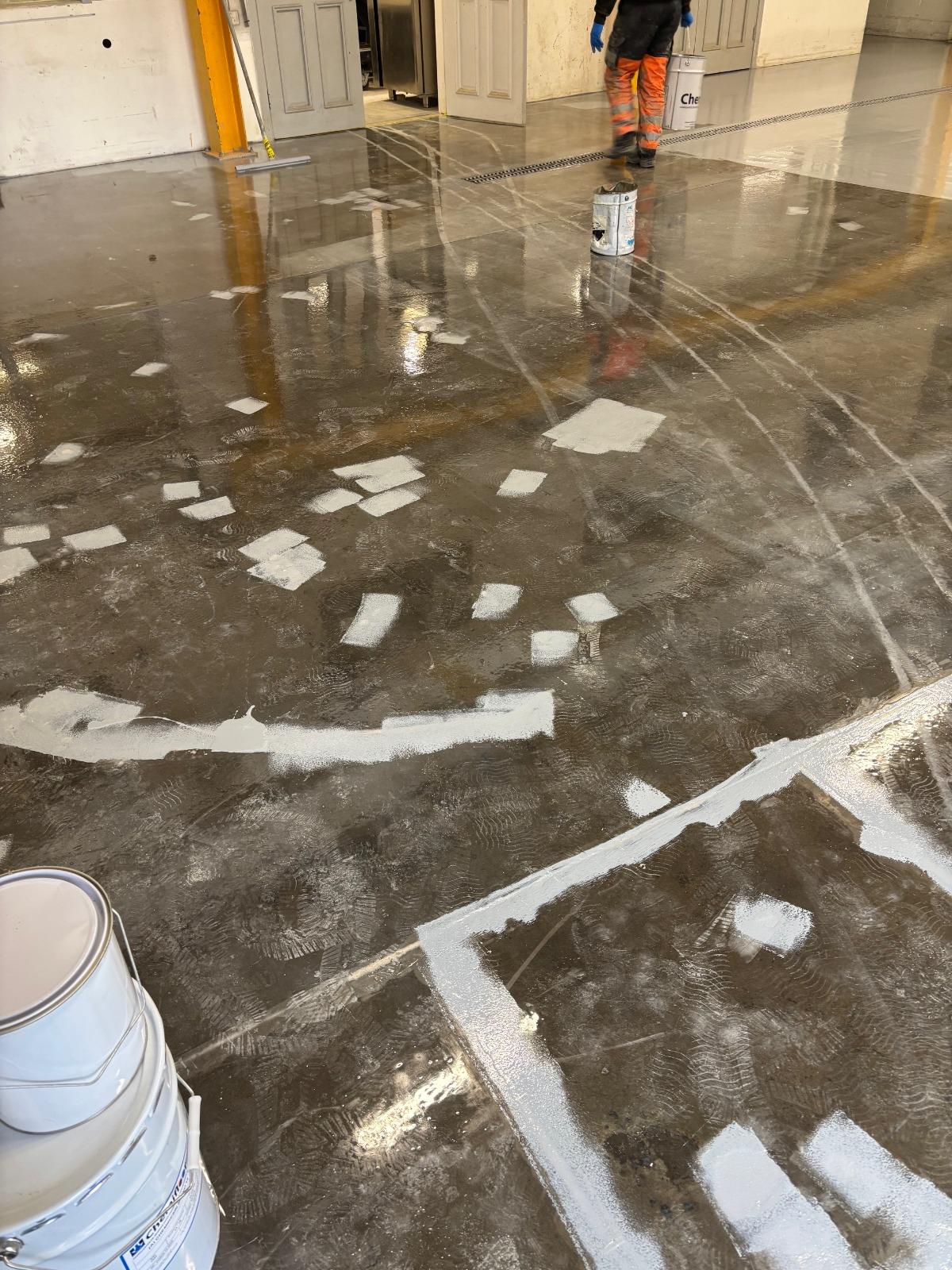
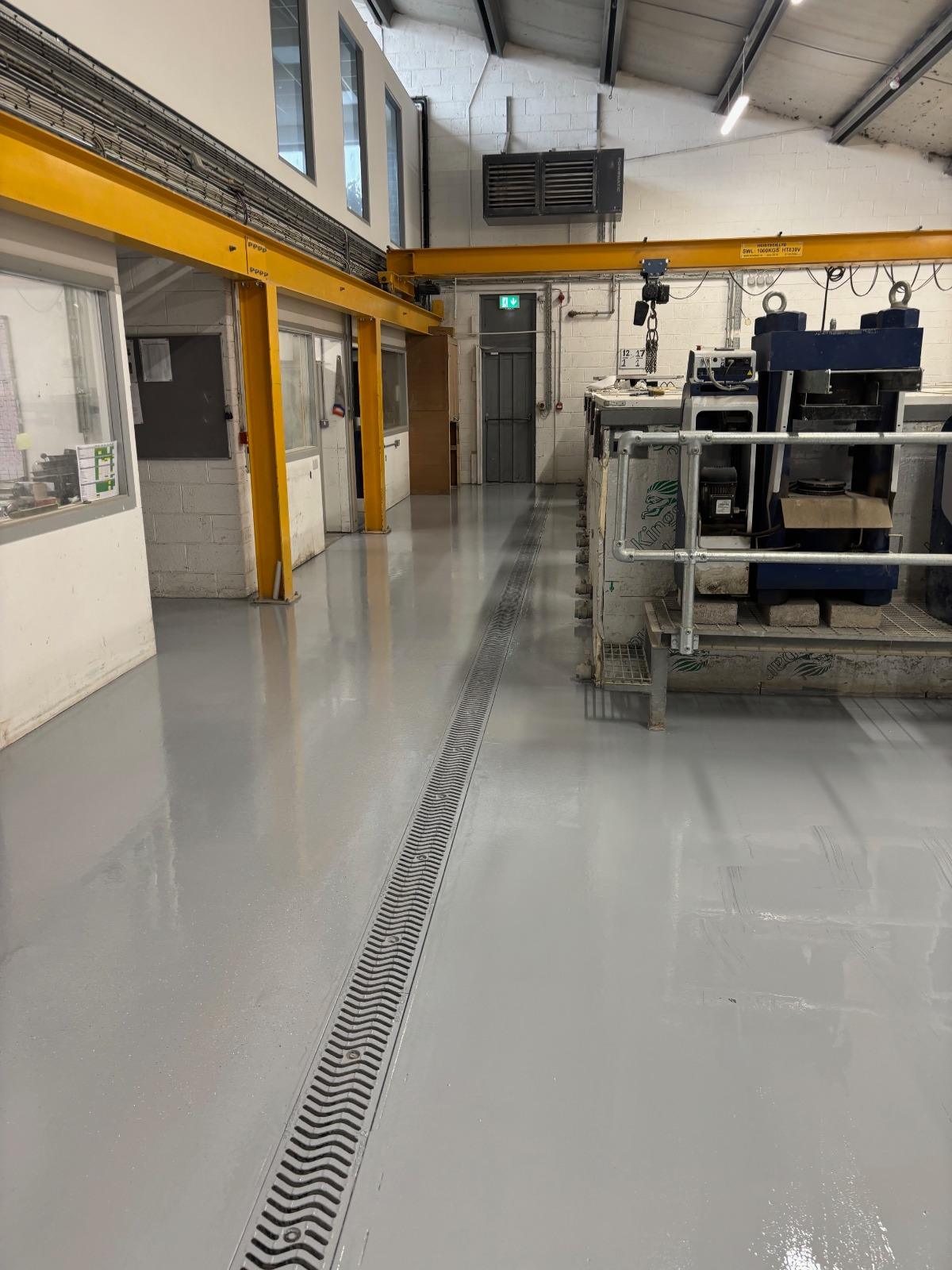
You get a record of slot positions and materials used, which is worth keeping for future reference. Our before and after gallery shows completed repairs.
This is the whole point. Reinforcement carries tension across the crack, so the two halves can’t separate again under load.
A cracked slab transfers load poorly across the fissure, which concentrates stress on the edges and breaks them down. Stitching restores the slab’s ability to work as one piece.
Once arrises start crumbling, the damage widens quickly under wheel impact. Repairing them as part of stitching stops that progression.
Open cracks let liquid reach the sub-base and any reinforcement below. On decks and external slabs that leads directly to corrosion, which is why sealing the crack matters structurally as well as cosmetically.
Wheels dropping into an open crack hammer the edges and shake the load. It also wears tyres and wheel bearings faster than most operators realise.
Stitching a cracked bay costs a fraction of breaking it out and repouring. For most Midlands sites, that difference is the deciding factor.
You can’t lay resin over a moving crack and expect it to survive. Stitching first is what makes a proper epoxy flooring installation viable afterwards.
Cracks running across racking aisles take constant wheel loading. These are the highest priority on any site, because deterioration accelerates fast once the edges break.
Cracks around machine bases often indicate movement under vibration. Stitching stabilises them before they undermine equipment alignment.
Thermal movement is severe here. Diagnosis matters enormously, since a genuinely live crack needs a movement joint rather than stitching.
Cracks on a deck let chloride-laden water reach reinforcement. Stitching combines with waterproofing through our car park flooring systems.
Older slabs, heavy tractor loads and often no reinforcement at all. Stitching frequently rescues floors that look ready for replacement.
Cracks that present a trip hazard need dealing with promptly. We work out of hours so the space stays open during trading or term time.
Cracks around pits and lift bases take particular punishment. These usually pair with concrete floor repairs and an oil resistant flooring finish afterwards.
We carry out floor stitching in the Midlands across Athlone, Mullingar, Tullamore, Portlaoise, Longford Town, Birr and Roscommon Town, with full Dublin and nationwide coverage from our Dublin 3 base.
Stitching is usually one part of a wider repair. Spalled areas and potholes are handled through concrete floor repairs, while perished movement joints need mastic floor joint repairs rather than stitching. Once the slab is sound, many clients move straight to a full industrial flooring build-up or seal it economically with concrete sealing. Existing coatings that have cracked along with the slab come off through our floor coating removal service, and traffic routes can be redefined afterwards with safety line marking. Not sure whether your crack needs stitching or something else? Book a floor inspection and repair visit.
A crack in an industrial slab never stays the same size. Traffic works the edges, water gets into the fissure, and each pass of a loaded forklift widens the damage a little further. What starts as a hairline you could ignore becomes a broken-edged trench that shakes loads, wrecks tyres and eventually forces you to break out and repour the bay. Filling it changes nothing. Only reinforcement across the crack actually stops the movement causing it.
Floor stitching in the Midlands, delivered by Ron and the crew, starts with an honest diagnosis of what your crack is actually doing. The survey is free. The quote is written and itemised. Most repairs take traffic again the very next working day.
Call Ron: 086 2631652 — direct line, straight answers
Call Office: 014800555 — Sun–Fri, 09:30–17:30
Email: info@midlandsfloorpaintingco.ie
Or send your details through our contact page and we’ll come back to you the same working day, with no obligation.
Fill in your details and we'll get back to you within 24 hours.
Our Clients






Case Studies
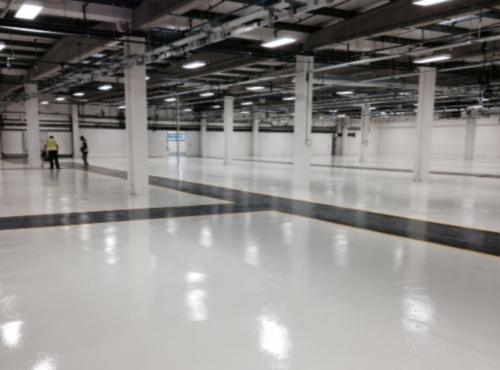
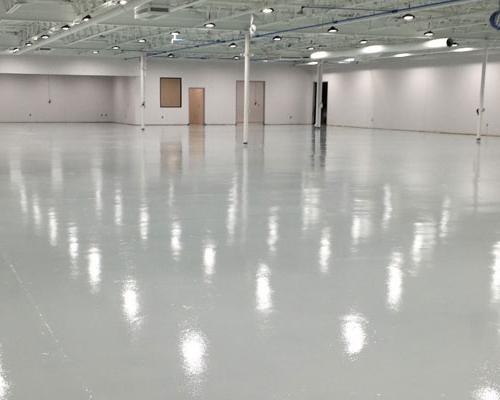
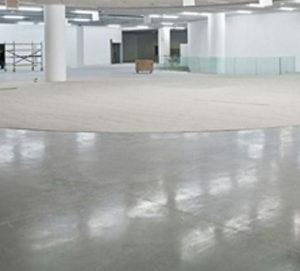
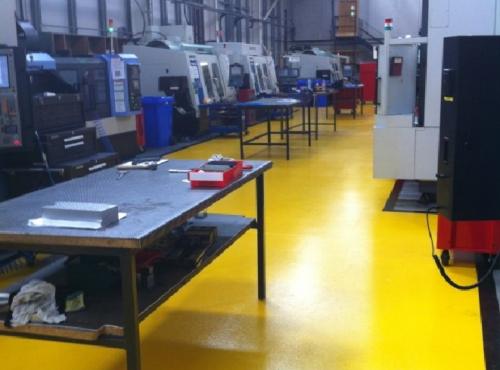
Healthcare Manufacture Plant
Client:
Trulife International
Location:
Airton Rd, Dublin, Ireland
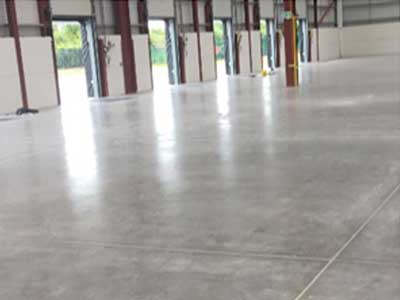
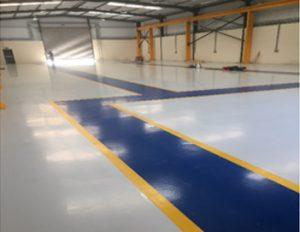
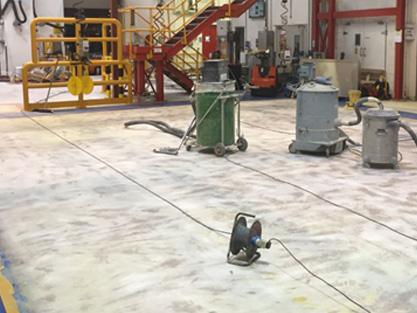
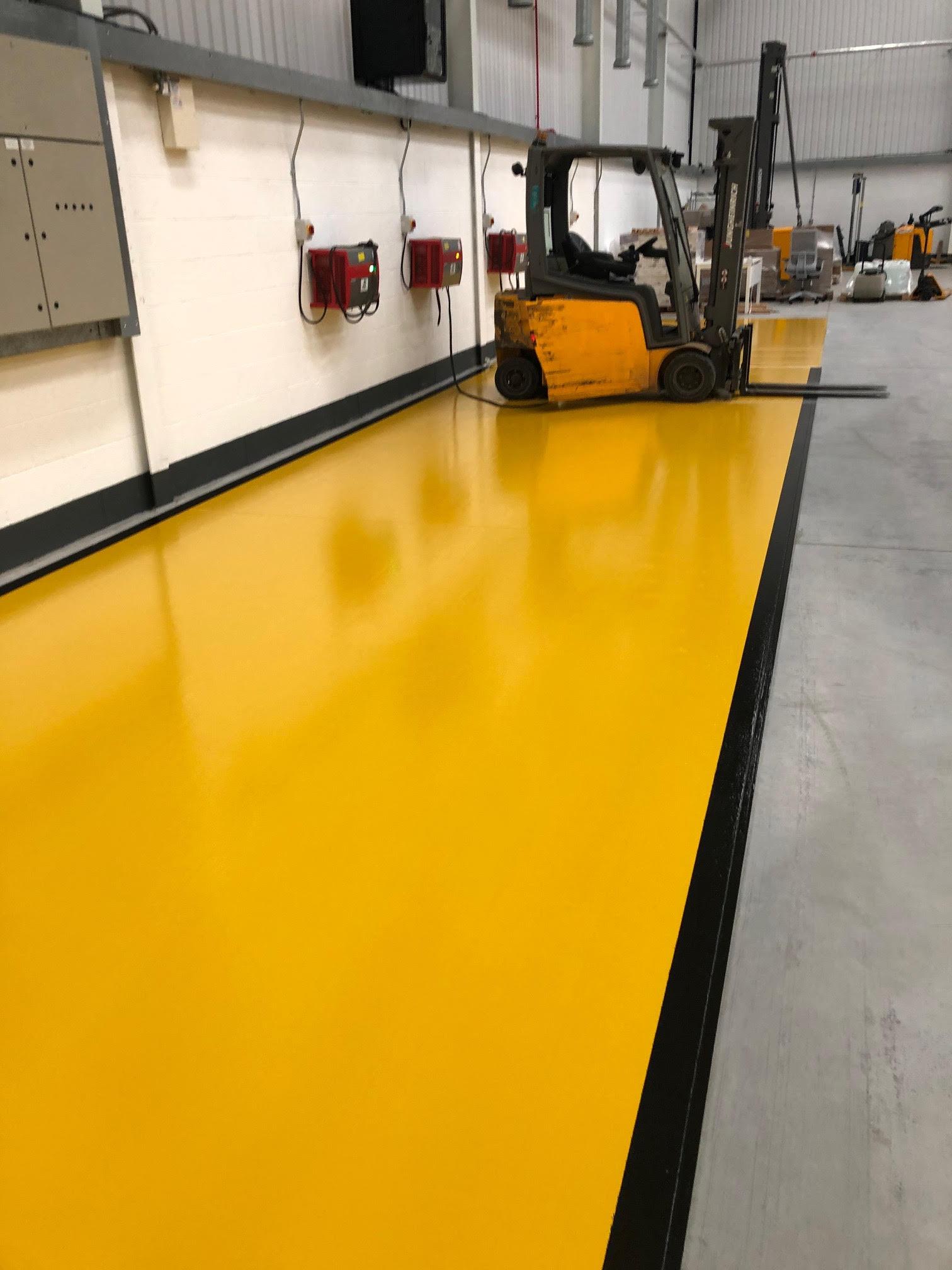
Old Concrete Refurbishment
Client:
Pressco Engineering
Location:
Dublin, Ireland
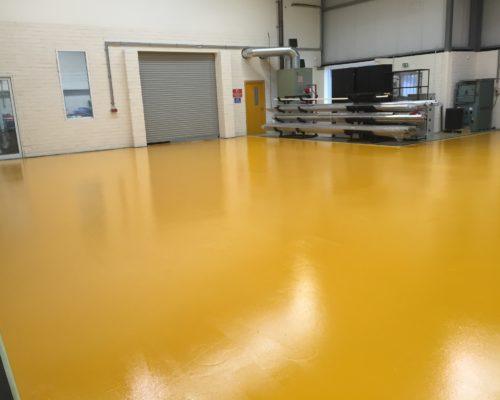
Anti Slip Flooring Installment
Client:
Tech Engineering
Location:
Bray, Ireland
Before & After
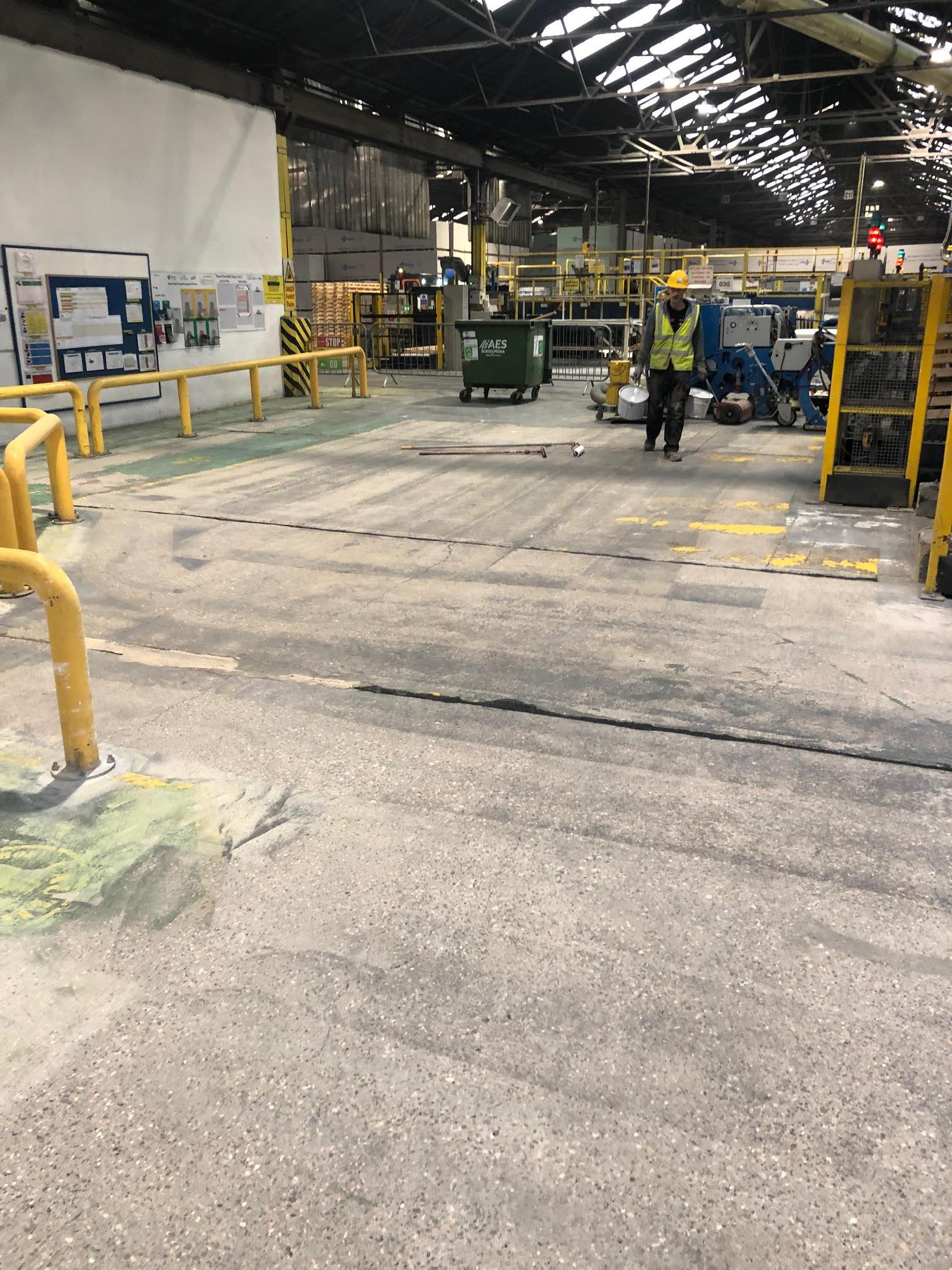
Before
After
Before
After
Recent Floor Stitching Projects
Call on 0862631652 or Office Tel 01 2314676 Email us on info@midlandsfloorpaintingco.ie