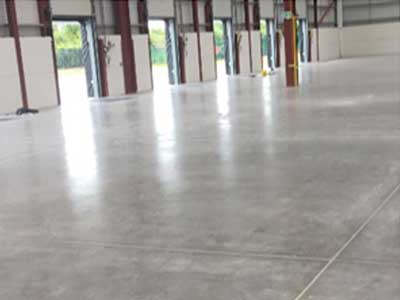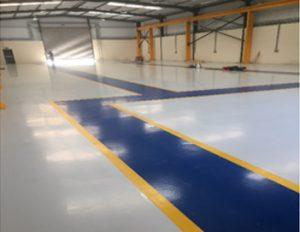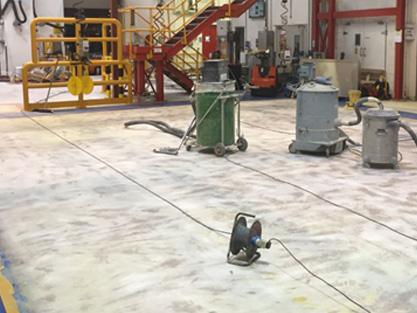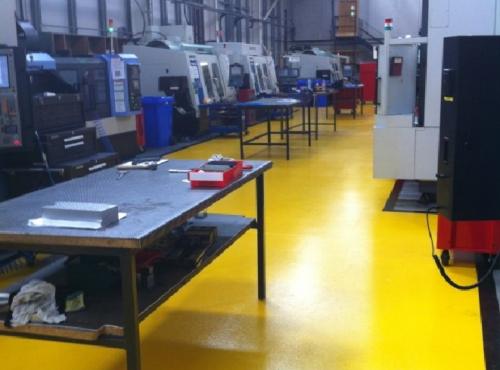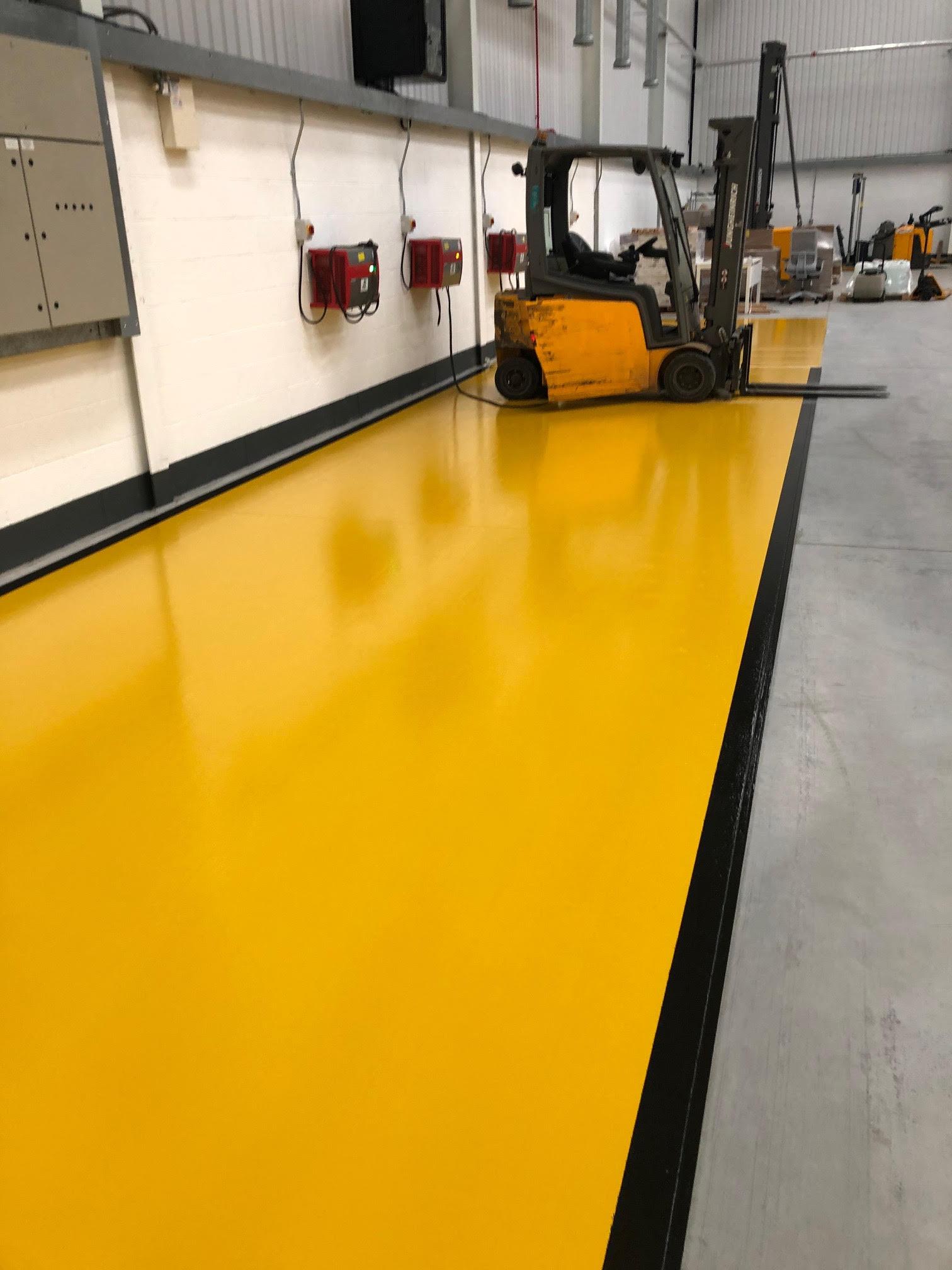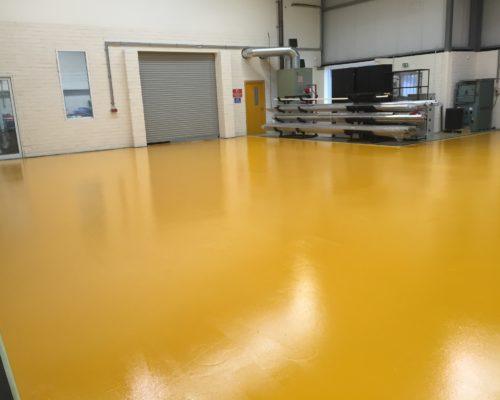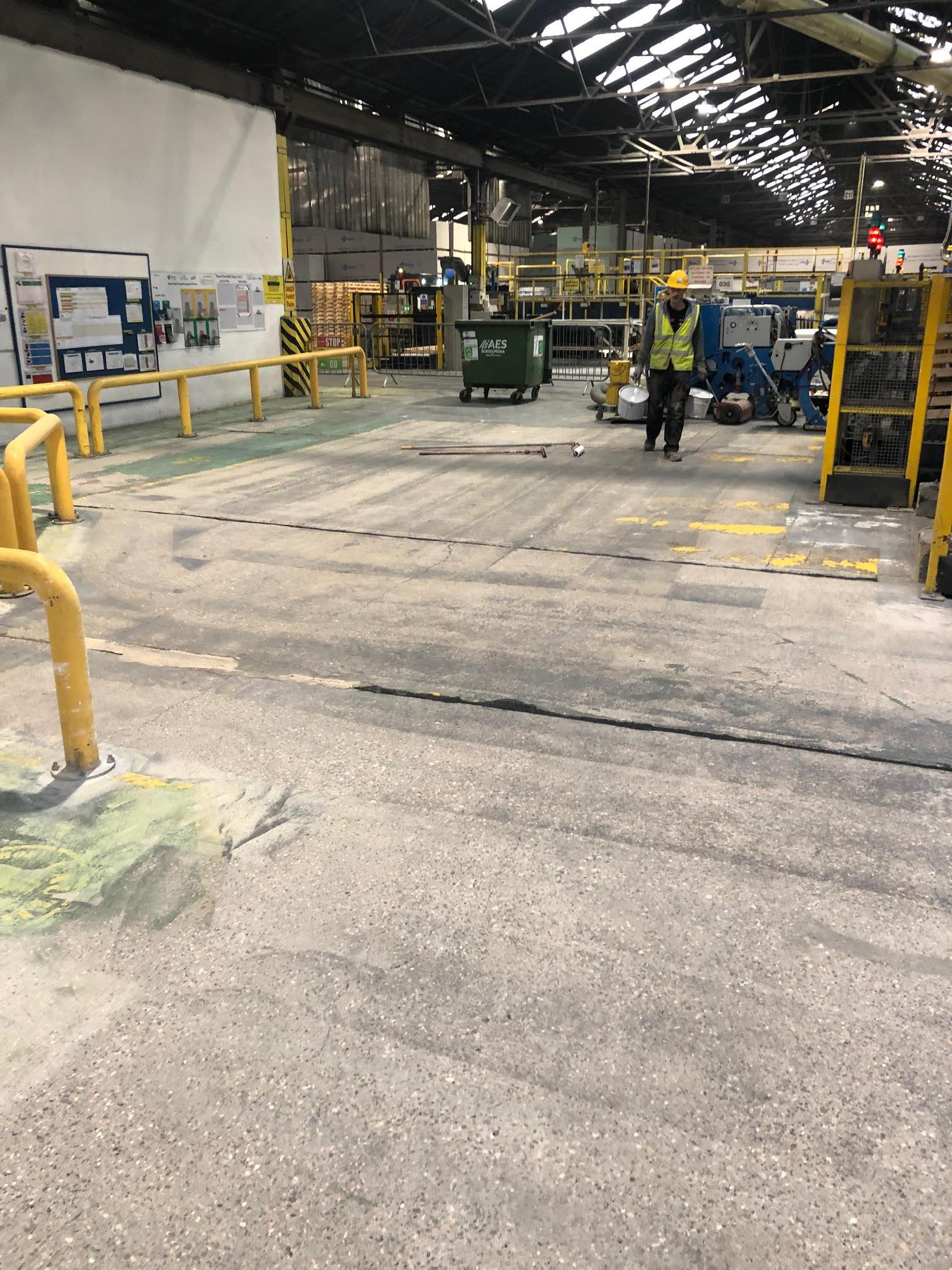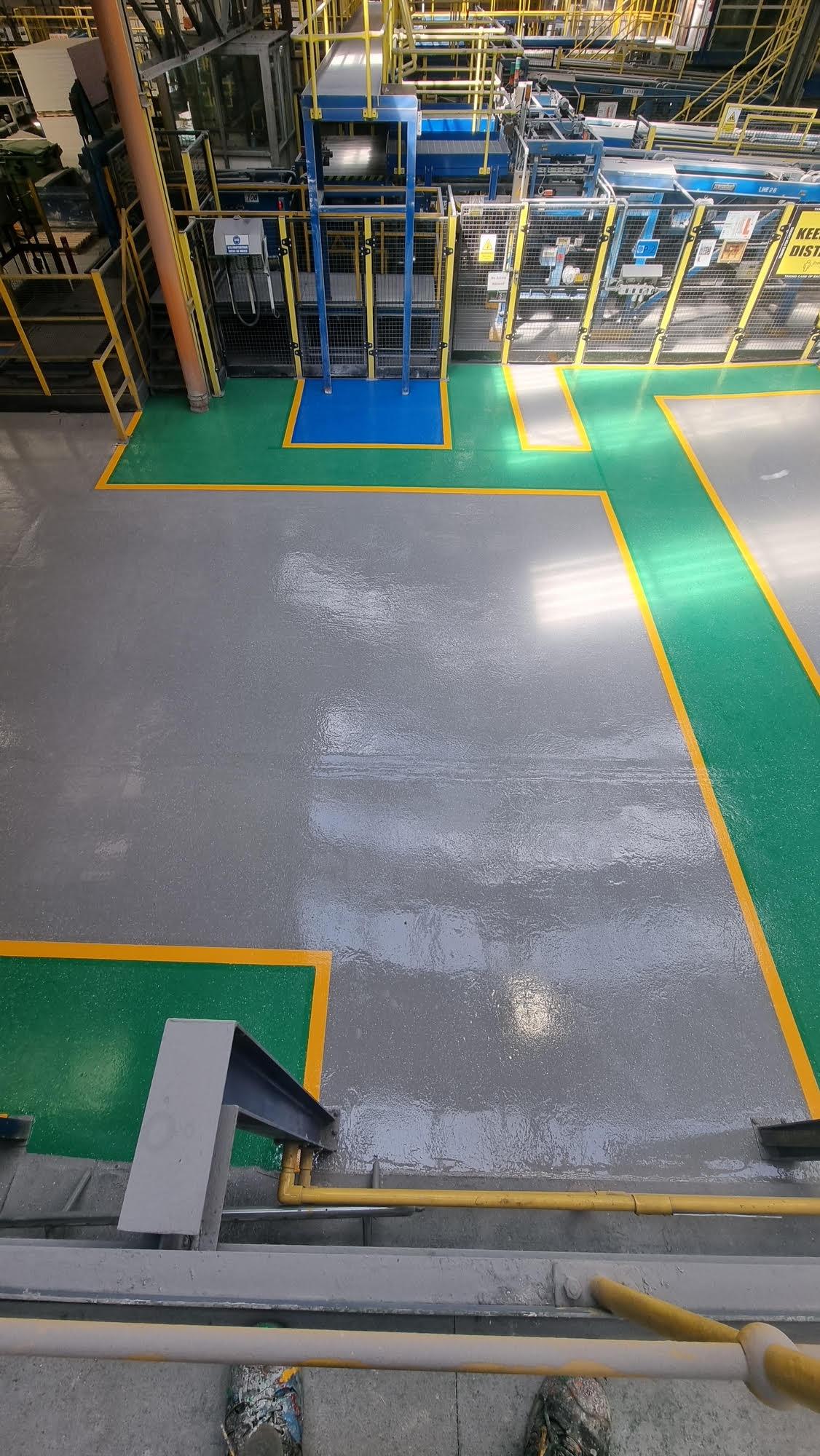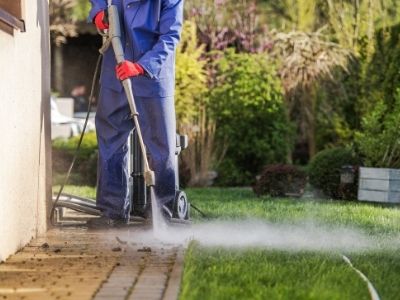
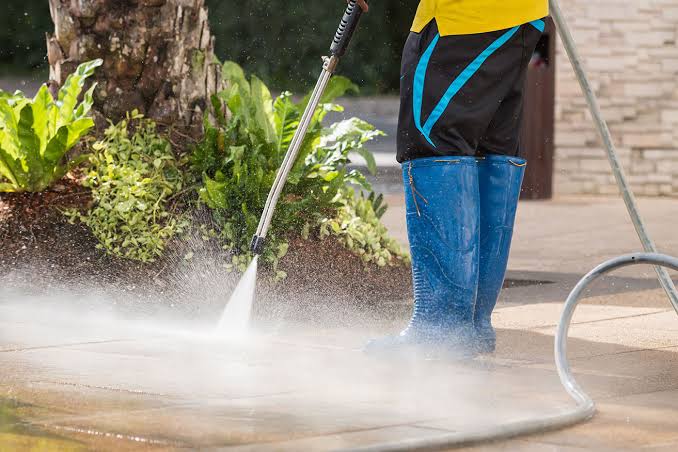

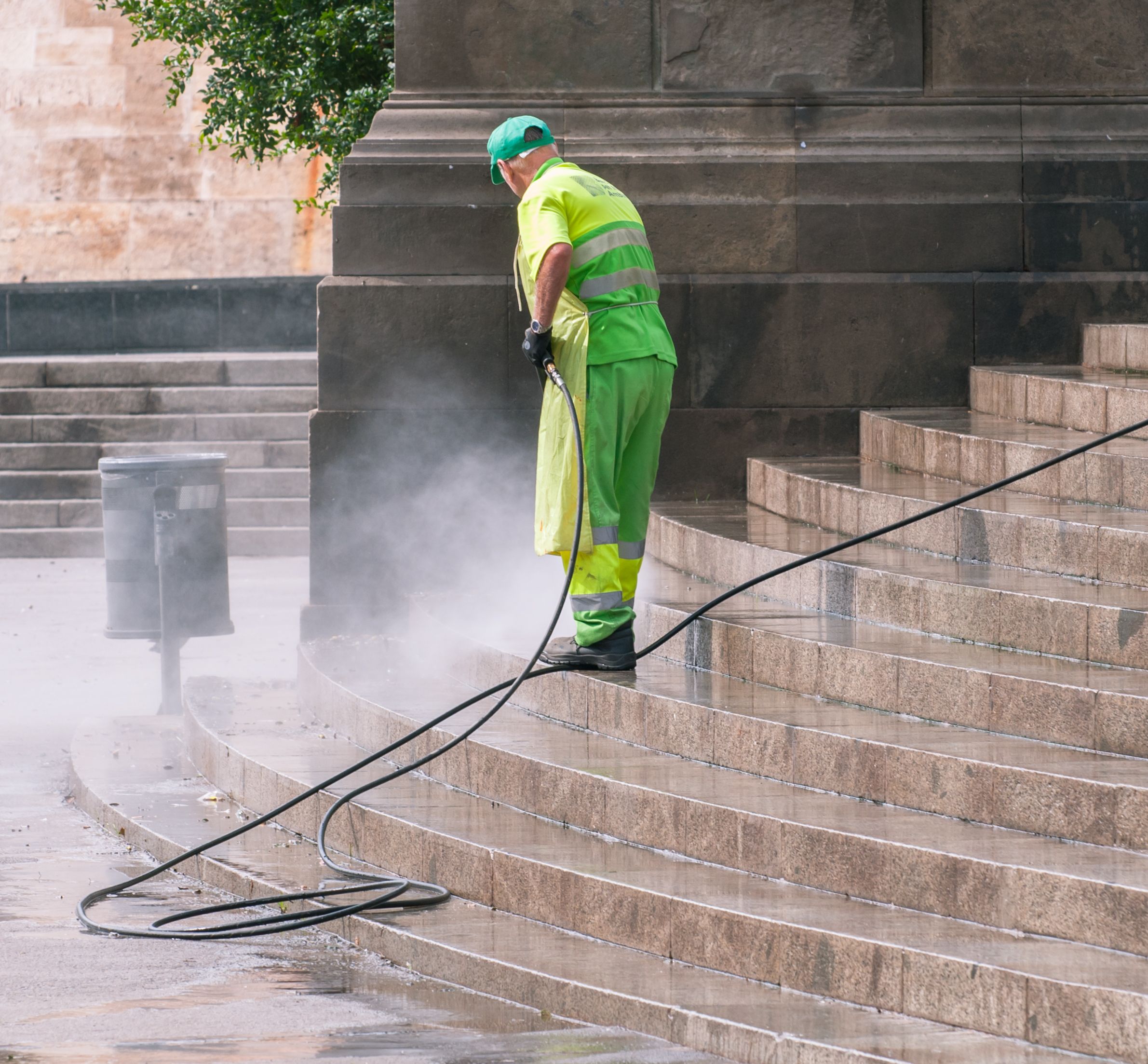
Pressure washing in the Midlands causes more concrete damage than most site managers realise, and it’s almost always the same mistake: someone turns the pressure up because the dirt isn’t shifting. Turning it up rarely helps. What actually removes ingrained contamination is heat, the right detergent and enough dwell time for the chemistry to work — not raw force. Push a 3,000 psi jet into aged concrete and you’ll blow out the surface paste, expose aggregate unevenly and leave a rough, porous slab that gets dirty faster than it did before. On brick and older render, that same approach strips the fired face permanently.
We work the other way round. Ron surveys the surface, identifies what’s actually on it — oil, algae, rubber, food residue, effluent, traffic film — and selects heat, chemical and pressure to suit. Frequently the setting comes down rather than up. That matters especially when the wash is preparation for a coating, because a slab damaged by over-pressuring then needs grinding to make it usable again. Yards, car parks and production floors across Westmeath, Offaly and Dublin have been cleaned by our crew without that outcome, which is why clients keep returning — as our customer testimonials show.
We provide a nationwide service specializing in Pressure Washing to:
- Airport hangers
- Abattoirs
- Bakeries
- Car parks
- Engineering
- Food industry
- Garages
- General warehousing
- Pharmaceutical
- Printing co
- Schools
- Tennis court coatings
What We Actually Remove?
Different contamination needs a completely different approach, and identifying it correctly is most of the job.
- Oil, grease and hydraulic fluid. Heat and degreaser do the work here. Cold water simply moves oil around, which is why washed workshop floors often look worse afterwards.
- Rubber and tyre deposits. Built-up rubber in car parks and loading bays needs hot water and mechanical agitation rather than pressure alone.
- Algae, moss and lichen. Common on shaded external slabs across the Midlands. Biocide treatment kills the growth so it doesn’t return within weeks.
- Traffic film and general grime. Road salt, diesel residue and atmospheric soiling. Straightforward hot wash territory.
- Food and organic residue. Fats, proteins and sugars in processing areas, needing food-safe chemicals and careful drainage handling.
- Agricultural soiling. Silage effluent, slurry and fertiliser residue. Aggressive, corrosive and best removed before it attacks the concrete further.
- Chewing gum, paint splashes and mastic. Localised deposits usually handled with steam and hand work rather than a lance.
- Surface laitance and loose material. Where washing is preparation, it clears the loose debris so mechanical preparation can work efficiently.
How We Pressure Wash in the Midlands?
Planning the water is usually more involved than planning the cleaning.
Free Survey and Method Selection
Ron inspects the surface, identifies the contamination and checks the substrate’s condition. Aged, friable concrete needs gentler treatment than a sound modern slab.
He’ll also establish what happens next — a wash before coating has different requirements to routine maintenance cleaning.
You get a written, itemised quote covering cleaning, chemicals, water recovery and disposal as separate lines.
Drainage and Runoff Planning
This is the part that gets overlooked and occasionally gets people in trouble.
We identify where water will go, which drains are surface water and which are foul, and whether the contamination can legally enter either. Oil, chemicals and effluent generally cannot.
Where discharge isn’t permitted, we bund the area and use vacuum recovery, then dispose of the wastewater correctly. Sites near watercourses need particular care.
Protection and Isolation
Electrical equipment, sockets, machinery, doors and stock are protected before we start. Water finds every gap, and a damaged control panel costs more than the wash.
Working areas are screened where overspray could affect neighbouring units or vehicles.
Chemical Application and Dwell
Detergent is applied and left to work for the specified period. This is where the cleaning genuinely happens, and rushing it is what leads people to crank the pressure instead.
Agitation with brushes follows on heavy deposits, breaking the bond before rinsing.
Washing
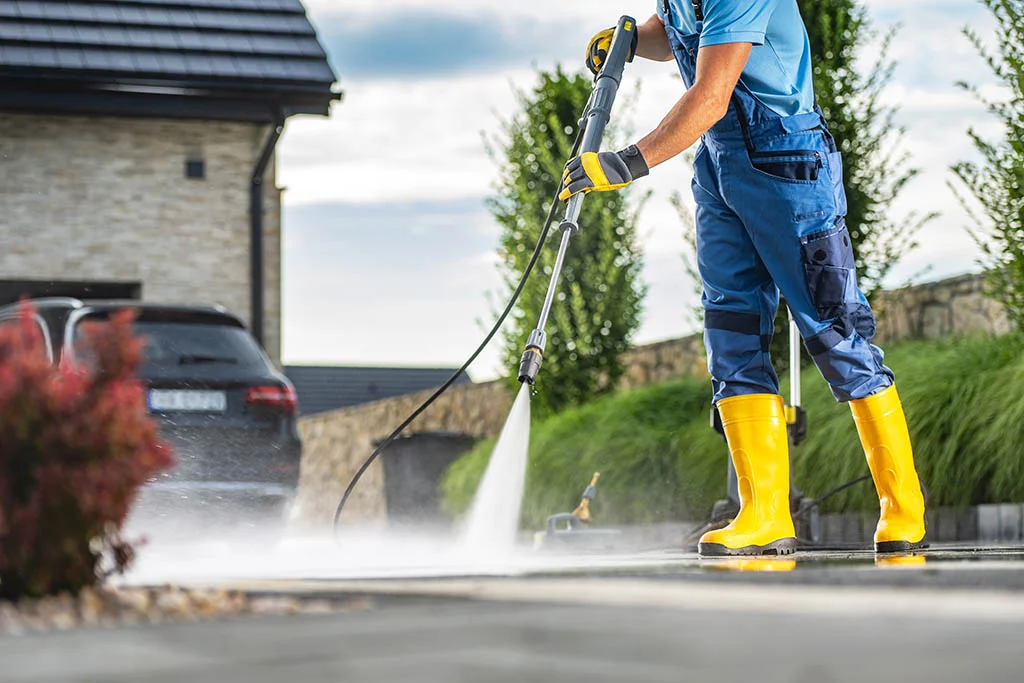
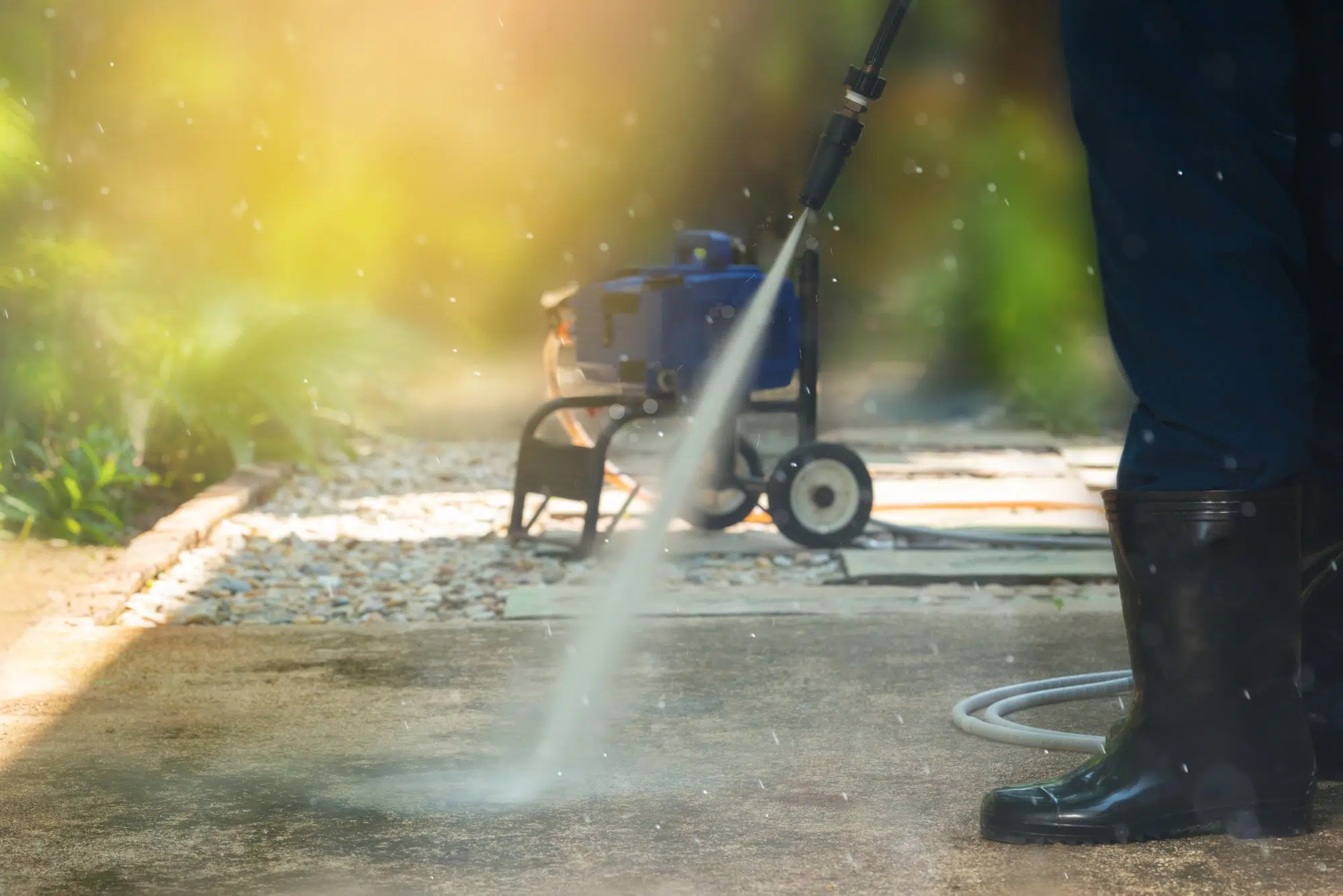
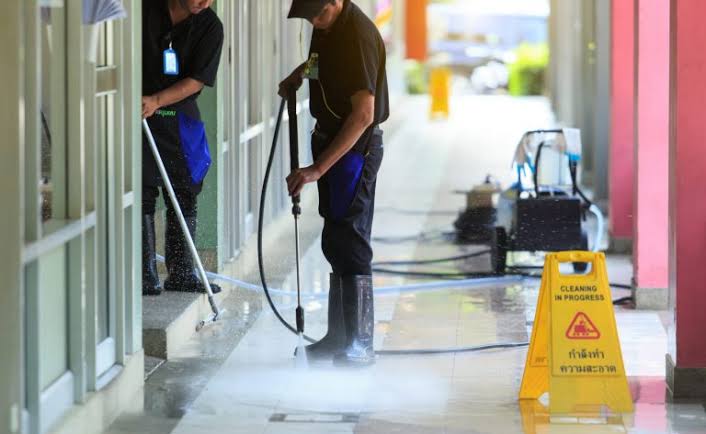
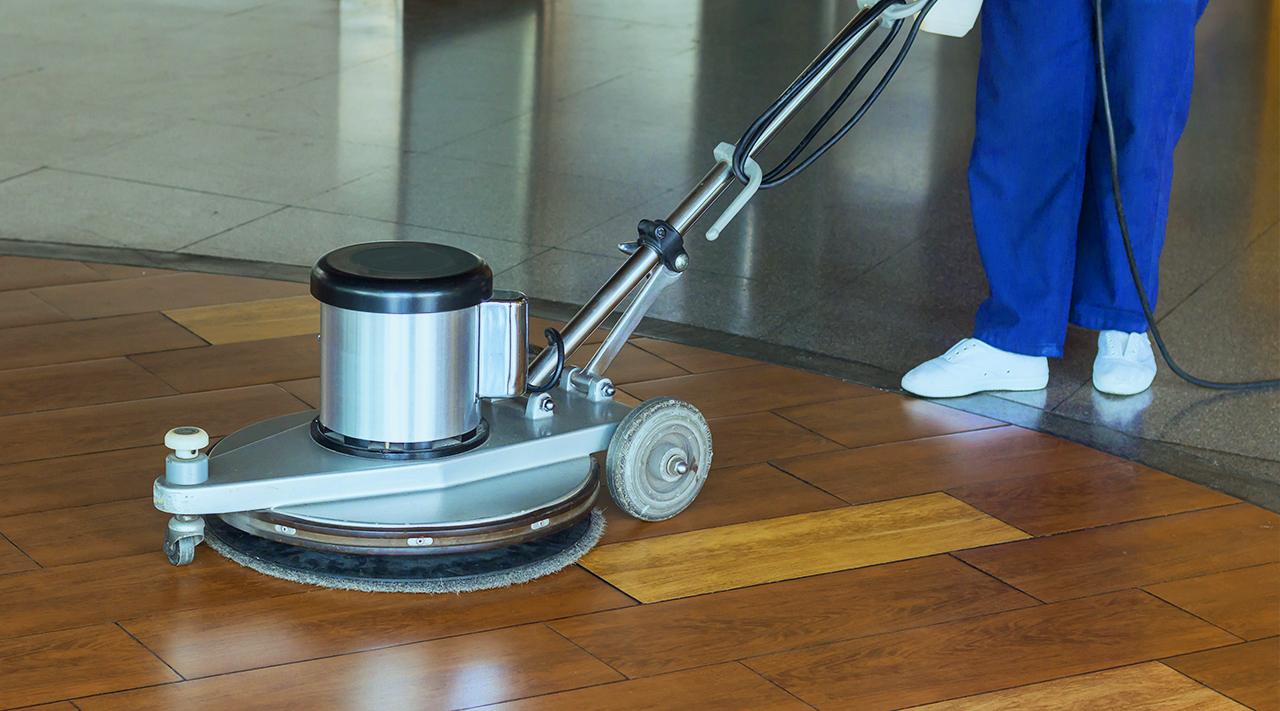
Rotary surface cleaners cover open areas evenly and quickly. Edges, corners and detail work are finished with a lance.
Pressure and heat are set for the substrate and checked as we work. On mixed surfaces we adjust between areas rather than running one setting throughout.
Passes overlap so no striping is left behind, which is the classic sign of a rushed job.
Rinsing, Recovery and Disposal
The surface is rinsed thoroughly to remove chemical residue, since detergent left behind will interfere with any coating applied later.
Wastewater is recovered where required, contained and disposed of through licensed routes.
Drying and Next Steps
Concrete needs to dry fully before sealing or coating. In Irish conditions that means allowing genuine time rather than a nominal figure, and we plan around the forecast.
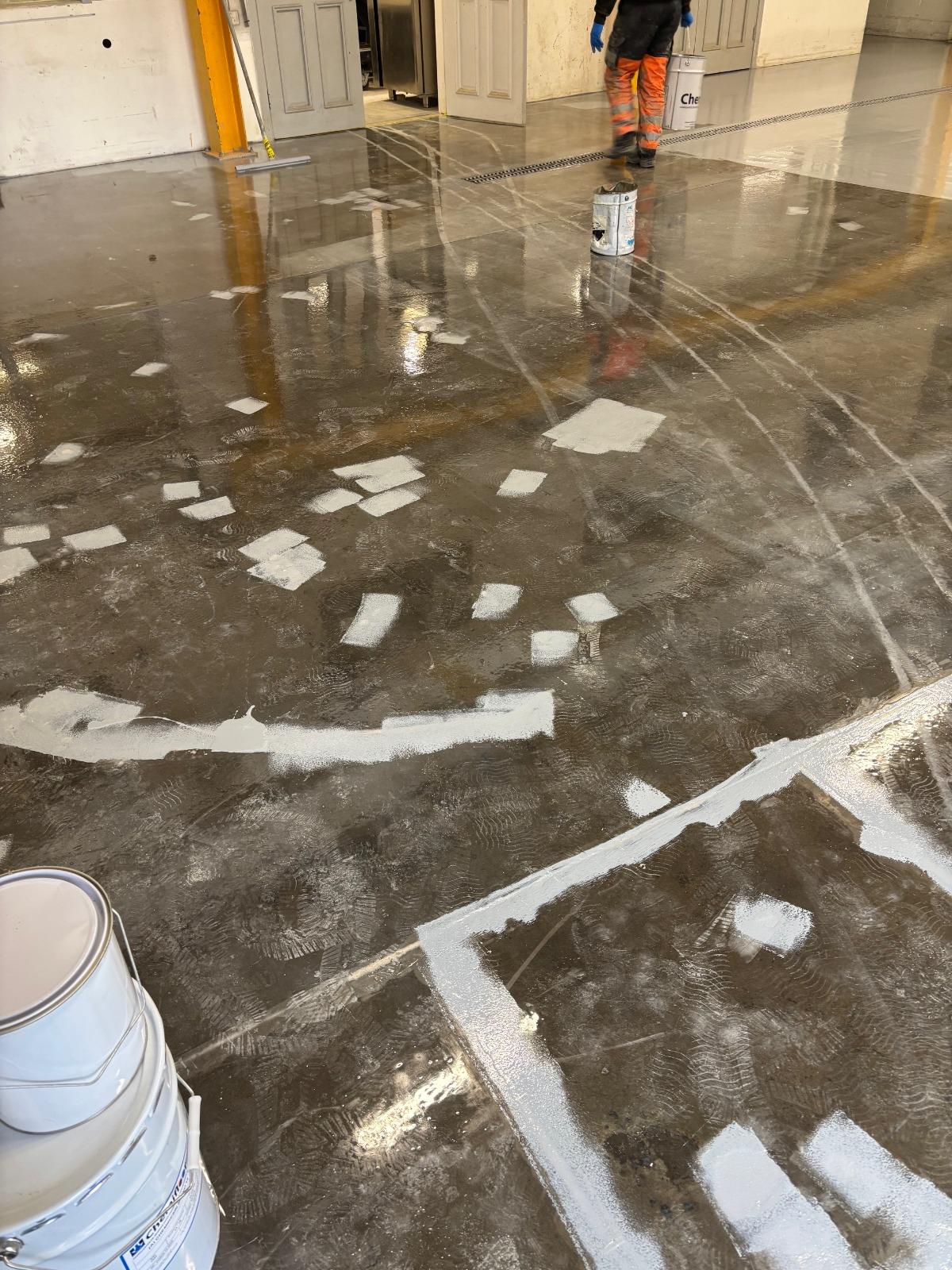
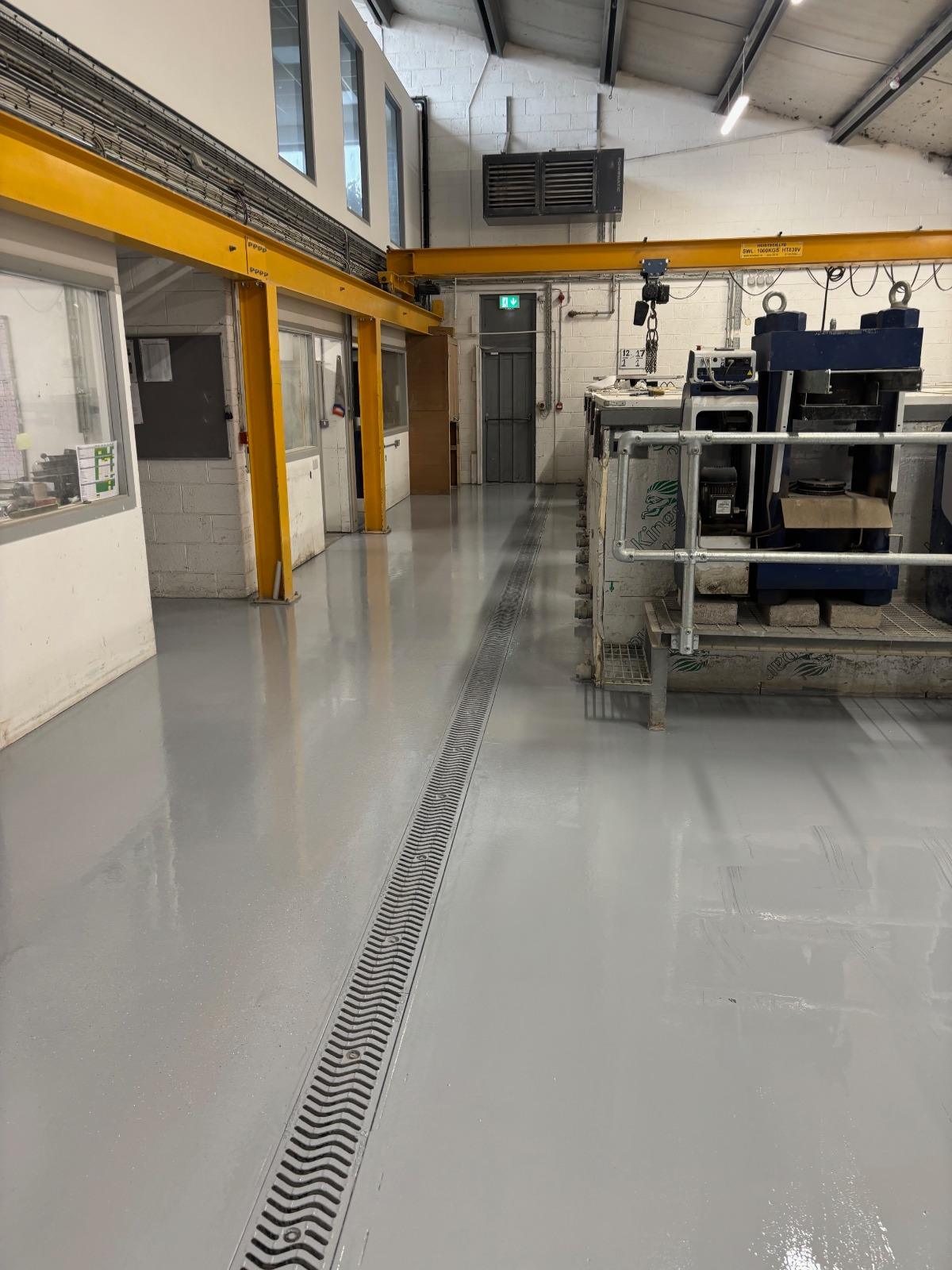
Where the wash is preparation, mechanical work follows through floor preparation, floor grinding or dust free shot blasting. Our before and after gallery shows completed work.
Where We Pressure Wash Across the Midlands?
Industrial Yards and Hardstanding
Oil, diesel and general soiling across large external areas. Often followed by protective concrete sealing to slow re-soiling.
Car Parks and Decks
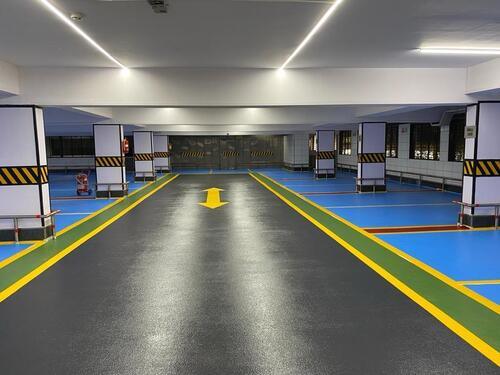
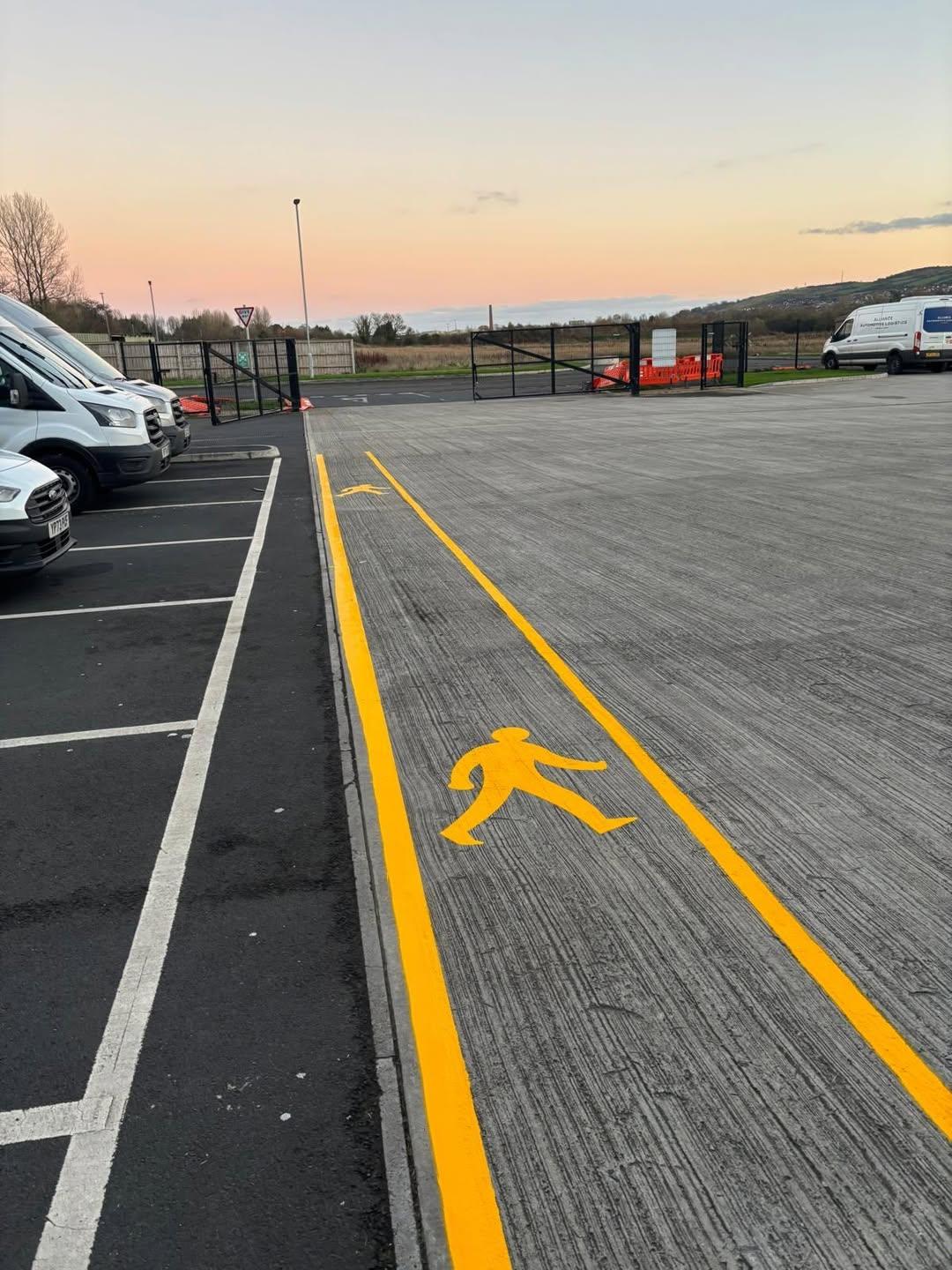
Rubber, traffic film and algae on ramps and bays. Cleaning is the first stage of any car park sealing or car park flooring programme.
Warehouses and Distribution Centres
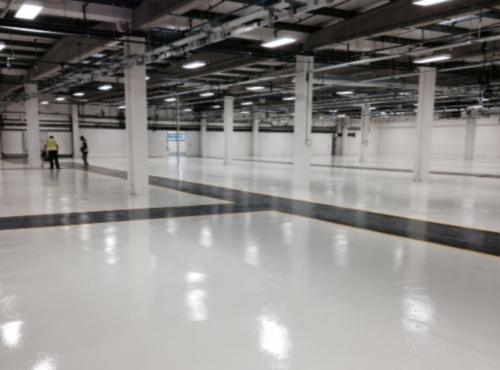
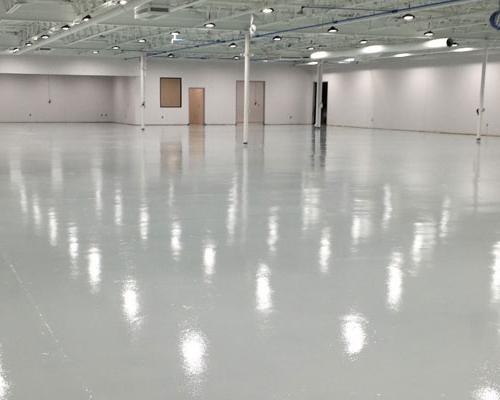
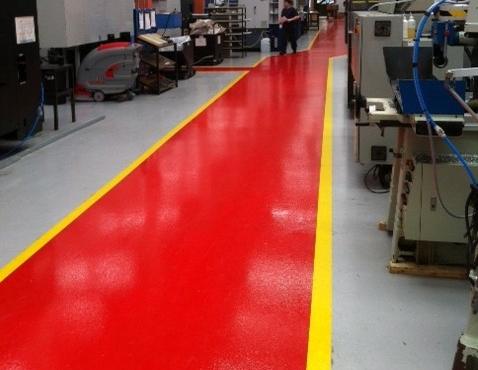
Internal floor cleaning ahead of coating, plus routine maintenance washes in loading areas.
Food and Beverage Facilities
Production floors, drains and external areas cleaned with food-safe chemicals. Frequently part of a refit including hygiene floor coating and hygienic wall cladding.
Workshops and Vehicle Bays
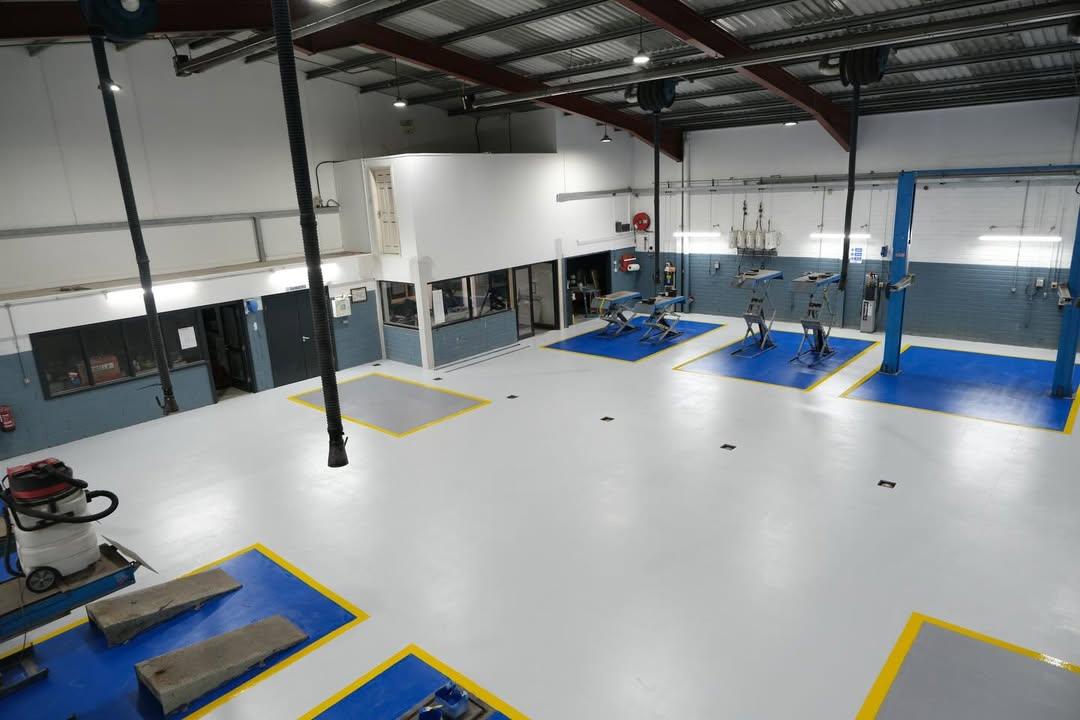
Heavy oil contamination requiring hot water and degreaser, usually before oil resistant flooring is installed.
Agricultural Buildings and Yards
Slurry, silage effluent and feed residue. Regular washing genuinely extends the life of farm concrete.
Retail, Hospitality and Public Areas
Forecourts, entrances, smoking areas and pathways. Out-of-hours working keeps trading uninterrupted.
We deliver pressure washing in the Midlands across Athlone, Mullingar, Tullamore, Portlaoise, Longford Town, Birr and Roscommon Town, with full Dublin and nationwide coverage from our Dublin 3 base.
Why Choose Midland Floor Painting Company?
- We lead with heat and chemistry, not pressure. Turning the jet up damages concrete and masonry. Hot water with the right detergent does the work properly.
- Ron checks the substrate first. Aged or friable surfaces need gentler settings, and we adjust rather than applying one approach everywhere.
- Runoff planned before we start. Which drain water enters is a legal question, not an afterthought. We establish it during the survey.
- Water recovery where it’s needed. Contaminated wastewater is collected and disposed of correctly rather than washed into a gully.
- Rotary cleaners for even results. Hand-lancing a large area leaves stripes. Enclosed surface cleaners don’t.
- Chemical residue rinsed thoroughly. Detergent left on a slab will undermine any coating applied afterwards, so rinsing isn’t optional.
- Free written, itemised quotes. Cleaning, chemicals, recovery and disposal appear as separate lines so nothing is buried.
- Decades of hands-on experience. Cleaning is the first stage of most work we do, backed by 5-star Google reviews and years of repeat clients. Read more about Ron and the crew.
Related Services
Washing is often the opening stage of a bigger job. Mechanical preparation follows through floor grinding or diamond grinding, while old coatings come off via our floor coating removal service. Structures and steelwork are cleaned separately through mobile sand blasting. Once clean and dry, slabs are typically finished with industrial floor painting or epoxy flooring, treated with dust proofing or brought up as polished concrete. Damage revealed by cleaning is repaired through concrete floor repairs.
Get Your Free Pressure Washing Quote Today
Dirt on concrete isn’t just untidy. Algae holds moisture against the surface through every freeze-thaw cycle. Oil soaks deeper each month until it’s in the slab rather than on it. Effluent and salt attack the cement matrix continuously, and rubber deposits turn a ramp into a genuine slip hazard the first time it rains. None of that stops on its own, and every month left is more contamination bonded further into a surface you’ll eventually pay to restore.
Pressure washing in the Midlands, delivered by Ron and the crew, uses heat and the right chemistry rather than brute pressure. The survey is free. The quote is written and itemised. Runoff is planned properly, so nothing ends up where it shouldn’t.
Call Ron: 086 2631652 — direct line, straight answers
Call Office: 014800555 — Sun–Fri, 09:30–17:30
Email: info@midlandsfloorpaintingco.ie
Or send your details through our contact page and we’ll come back to you the same working day, with no obligation.
Clean it properly, and the surface underneath lasts longer.